In brief
Delhi is experiencing a severe heatwave with official air temperatures reaching 43.5C, yet thermal imaging shows surface temperatures soaring beyond 60C. High surface temperatures increase heat absorption by the human body, making the city feel even hotter. Street vendors and pedestrians experience dangerous heat exposure, with nearby trees offering relief. Medical experts warn that sustained high temperatures can lead to heat exhaustion and organ failure. Authorities are urged to issue advisories and protect outdoor workers.
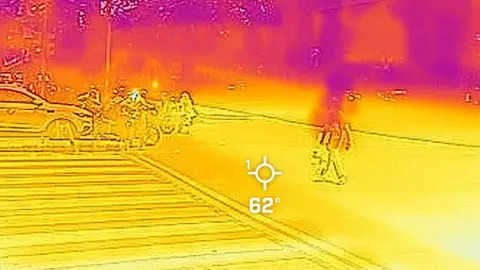
For several weeks Delhi has been under a severe heatwave, with daytime air temperatures routinely exceeding 40C. The city’s official temperature gauge also recorded a high of 43.5C, but when a Greenpeace India team deployed a thermal camera, surface temperatures reached up to 64C in some spots.
The discrepancy stems from what is measured: the Indian Meteorological Department records air temperature within standardized conditions, whereas a thermal camera measures the temperature of exposed surfaces such as roads, vehicles and buildings. On hot days these surfaces easily become hotter than the surrounding air, especially where shade and vegetation are scarce.
At the IIT flyover in South Delhi, the camera noted 42C under the shaded bridge and jumped to 64C when it pointed at bikes idling under direct sunlight. Shifting just a few metres to a shade from a tree lowered the reading to 40C, illustrating how a single green space can cut the surface temperature by more than 20C.
High surface temperatures cause increased radiant heat to the human body, accelerating body heat uptake and raising core body temperature. A pulmonologist explains that when temperatures exceed 40C, the body’s internal regulation fails, producing symptoms such as excessive sweating, headaches, fatigue and, if unchecked, organ failure.
The Sky tried to give practical advice: stay hydrated, wear loose light‑coloured clothing, use umbrellas, and for outdoor workers consider restricting activity between 10:30am and 3pm. However, for many Delhi residents, especially those in low‑income neighbourhoods, such options are limited.
Field interviews revealed that street vendors and storefronts too face scorching temperatures. A dry‑fruit vendor in Old Delhi had his face sensor read 40C and the ground 57C; moving just a few feet into shade provided instant relief. A footwear vendor in East Delhi’s Seelampur area reported constant heat rising from ground to sky, making the air feel like standing beside an oven, and expressed difficulty sleeping even after a bath because fans circulated hot air.
A family in Sundar Nagri described their home as no cooler than the outside, with interior temperatures hovering around 40C and no ventilation to dissipate the ultra‑hot air. A small ceiling fan only recirculated hot air, and even the main breeze outside felt harsh.
Over the past two weeks, a local citizen recorded a progressive heat register documenting lost sleep, increased work times, and psychological stress from unconducive living conditions. The unmanaged heat also alters routines, making it increasingly difficult for residents to rest and recover during the night.
Experts call for city-level interventions: providing more, widespread trees and green cover, constructing shaded corridors, and ensuring that atmospheric heat doesn’t overwhelm people in built‑up environments.