 "
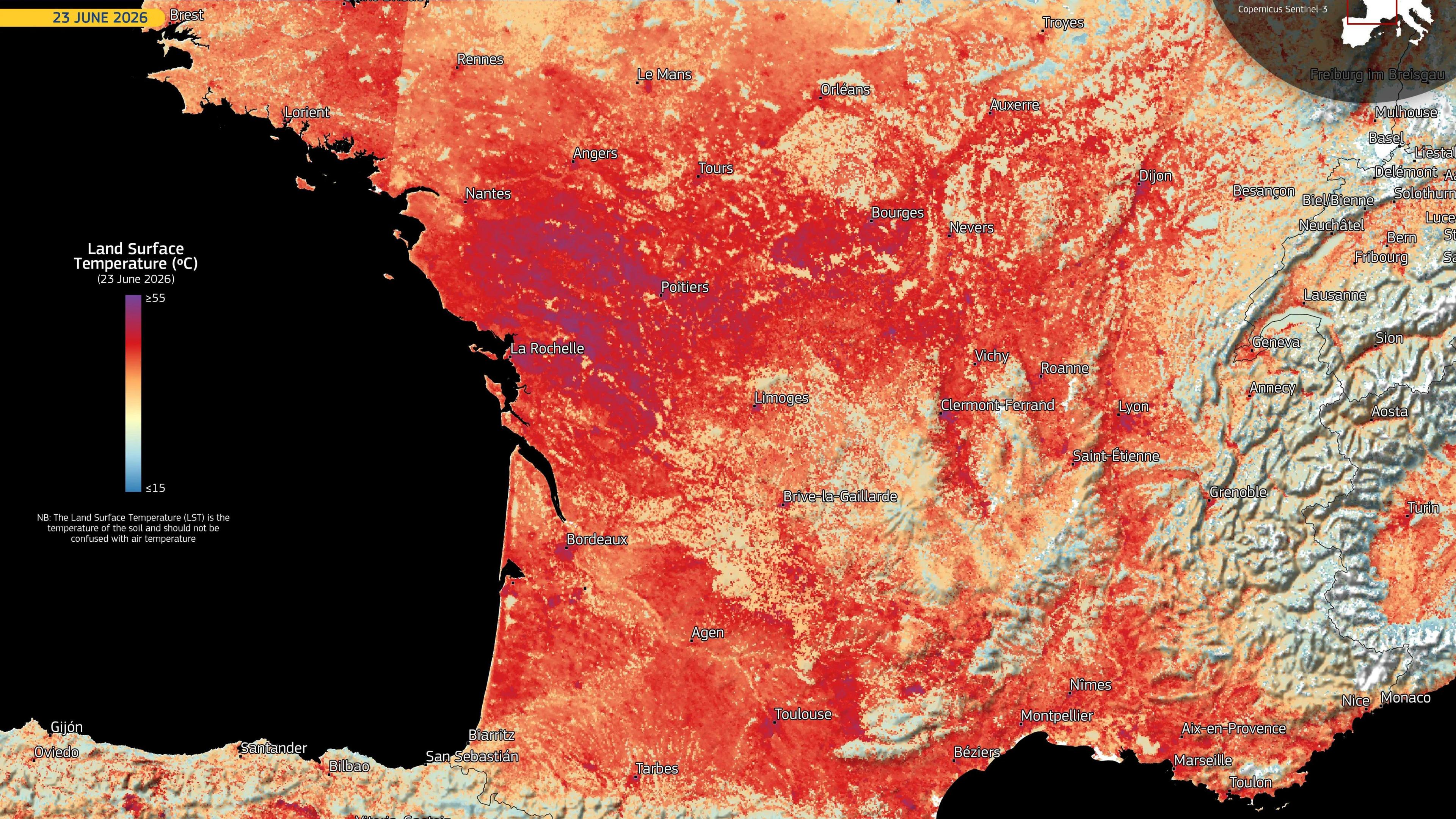
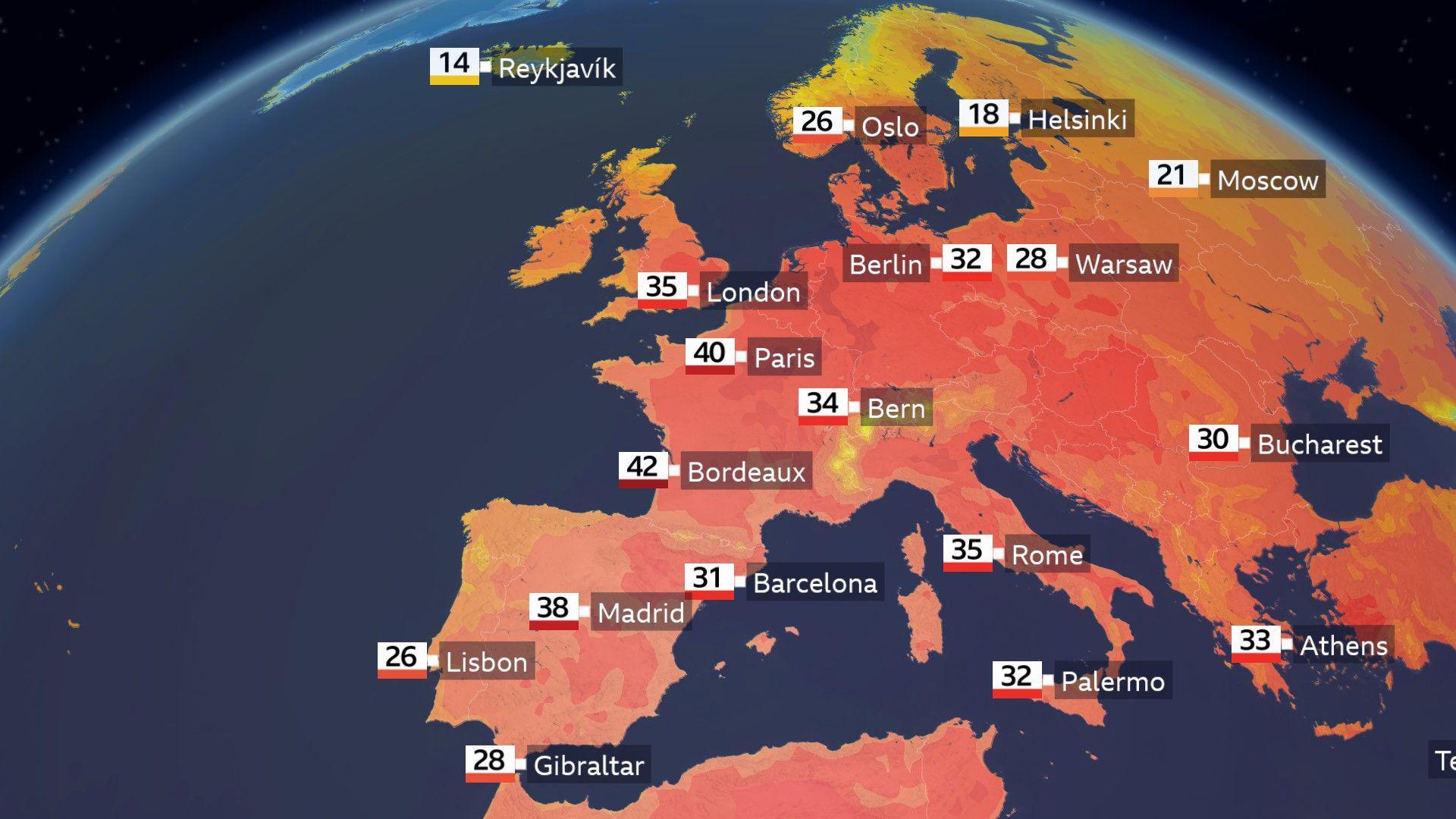
"With temperatures nudging 40C, France made global headlines by recording its hottest day on record. The heatwave has forced the country to rethink its longstanding reservations about one solution that often drew criticism: air‑conditioning.
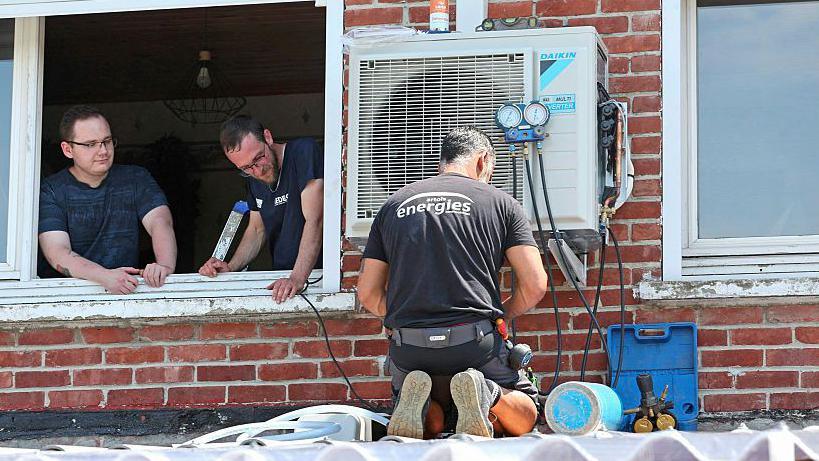
At present only 25% of French households are equipped with an air‑conditioning unit, a stark contrast to Spain and Italy’s 50% and the US and Japan’s 90%. Schools and hospitals, in particular, have had to shut down or operate in extreme conditions because they lack adequate cooling.
The political discourse reflects a long‑standing divide. Marine Le Pen’s National Rally has advocated for a “plan clim” that would subsidise the installation of cooling systems in schools and hospitals, while the Ecologist party’s leader Marie Tondelier has recently admitted, for the first time, that air‑conditioners are unavoidable in certain protected settings.
Critics raise legitimate concerns: AC units draw significant electricity, which in France comes principally from nuclear power but would rely more on fossil fuels elsewhere. Refrigerant leaks, many of which are potent greenhouse gases, and the urban heat island effect—where heat expelled from systems raises street temperatures—are additional risks.
Despite these drawbacks, the sheer immediacy of heat‑induced health risks has steered public and political attention toward practical solutions. A growing consensus is emerging that air‑conditioning cannot be ignored; the challenge moving forward is to pair efficient, low‑emission technologies with renewable power sources, enhanced building insulation, and innovative urban design to mitigate extreme heat while protecting the planet.