In brief
In Canberra, two independent Australian MPs, Zali Steggall and Allegra Spender, announced the Community Strong Australia party, a centrist initiative aimed at uniting voters and prioritising climate policy. Rooted in the ‘teal’ cohort, the party rejects traditional party lines and bridges a fragmented political scene dominated by Labor and the Coalition. The launch emphasises unity over division, reason over rage, and places clear stances on housing affordability, cost‑of‑living pressures and climate change. While the new party expresses solidarity with community‑driven democracy, it distances itself from Climate 200 and other funding bodies, seeking to level the playing field for future electoral campaigns.
Two independent Australian MPs have launched the Community Strong Australia party, promising unity and decisive climate action amid a fractured political landscape.
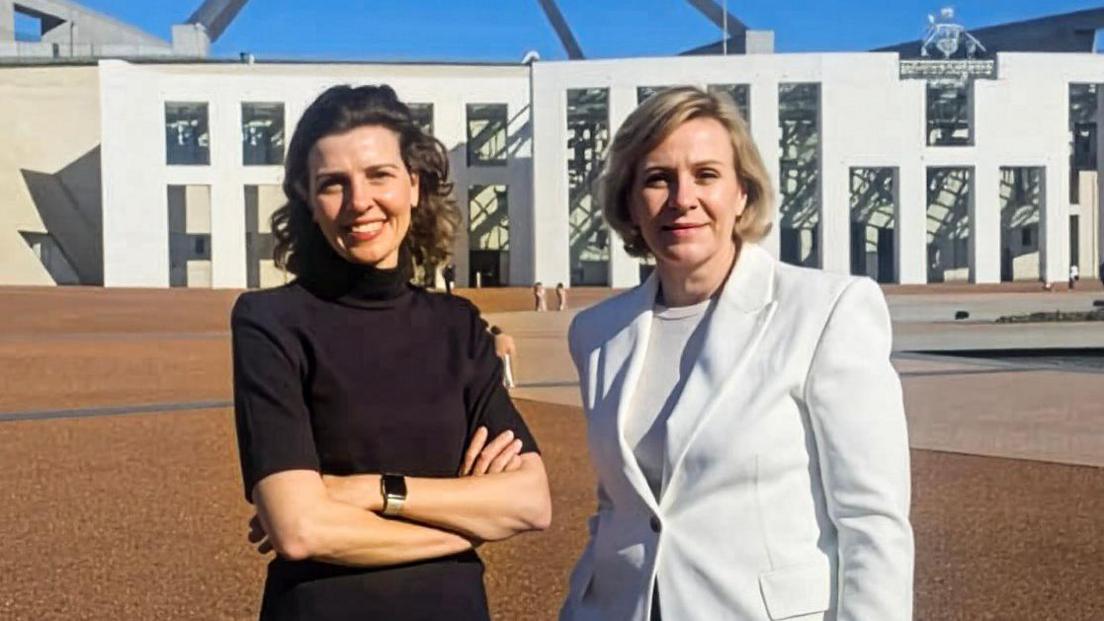
The new party, founded in Canberra on Thursday, vows to offer “unity over division and reason over rage,” and will operate without a traditional party leader. Its members will vote according to member input rather than along a rigid party line, according to spokespersons Zali Steggall and Allegra Spender.
Steggall and Spender, part of the broader “teal” independent movement, cite socially liberal values and a stronger push for climate policy as key motives for their new venture. They argue that the current two‑party system – dominated by Labor and the Liberal‑National Coalition – has become too polarised and that a centrist alternative is needed to galvanise voters.
In recent election cycles, the right‑wing One Nation party led by Pauline Hanson has surged in popularity, with some polls suggesting she is a favourite prime ministerial candidate. Responding to this shift, Steggall and Spender said they were listening to voter frustrations and wanted to offer a constructive path forward.
"We absolutely hear those grievances," Spender said. "People are frustrated and tired of the status quo. If I didn’t stand in politics, I wouldn’t know who to vote for," she added, emphasising the party’s commitment to “hear from communities beyond our own that want a voice that genuinely reflects them.”
Steggall, a former barrister and Winter Olympian, was first elected in 2019 when she unseated former prime minister Tony Abbott in a Liberal‑held seat. She stresses the party’s focus on moving beyond blame games and in‑fighting to deliver tangible solutions for Australians.
The Community Strong Australia party lists urgent policy priorities including housing affordability, cost‑of‑living relief, climate change mitigation, childcare, education, and healthcare. The duo has declared Climate 200 – a group that funds independent candidates – will not be affiliated with their new organisation, underscoring a desire for independent funding models.
With new electoral funding laws expanding campaign budgets for parties, the founders warn that this could widen the advantage for established parties, making it harder for independents to compete. Currently, the party’s registration is awaiting finalisation by the Australian Electoral Commission, expected by October.