In brief
A blistering heatwave across Europe has reached record highs, prompting emergency alerts from France to Italy and Spain. France reports 40 drowning deaths, a 13‑year‑old victim in the Seine, and a nuclear plant shutdown for cooling reasons. Spain’s temperatures could exceed 40°C in several zones, while Italy imposes red alerts in major cities, and Germany reports multiple fatalities in the Rhine. The crisis underscores climate change’s growing impact on heatwaves, water supply, and infrastructure.
In an intensifying summer, Europe’s record‑breaking temperatures have turned into life‑threatening heatwaves. France’s 40‑plus drowning deaths highlight a growing public health risk, while soaring temperatures in Spain, Italy and Germany push emergency alerts across the continent.
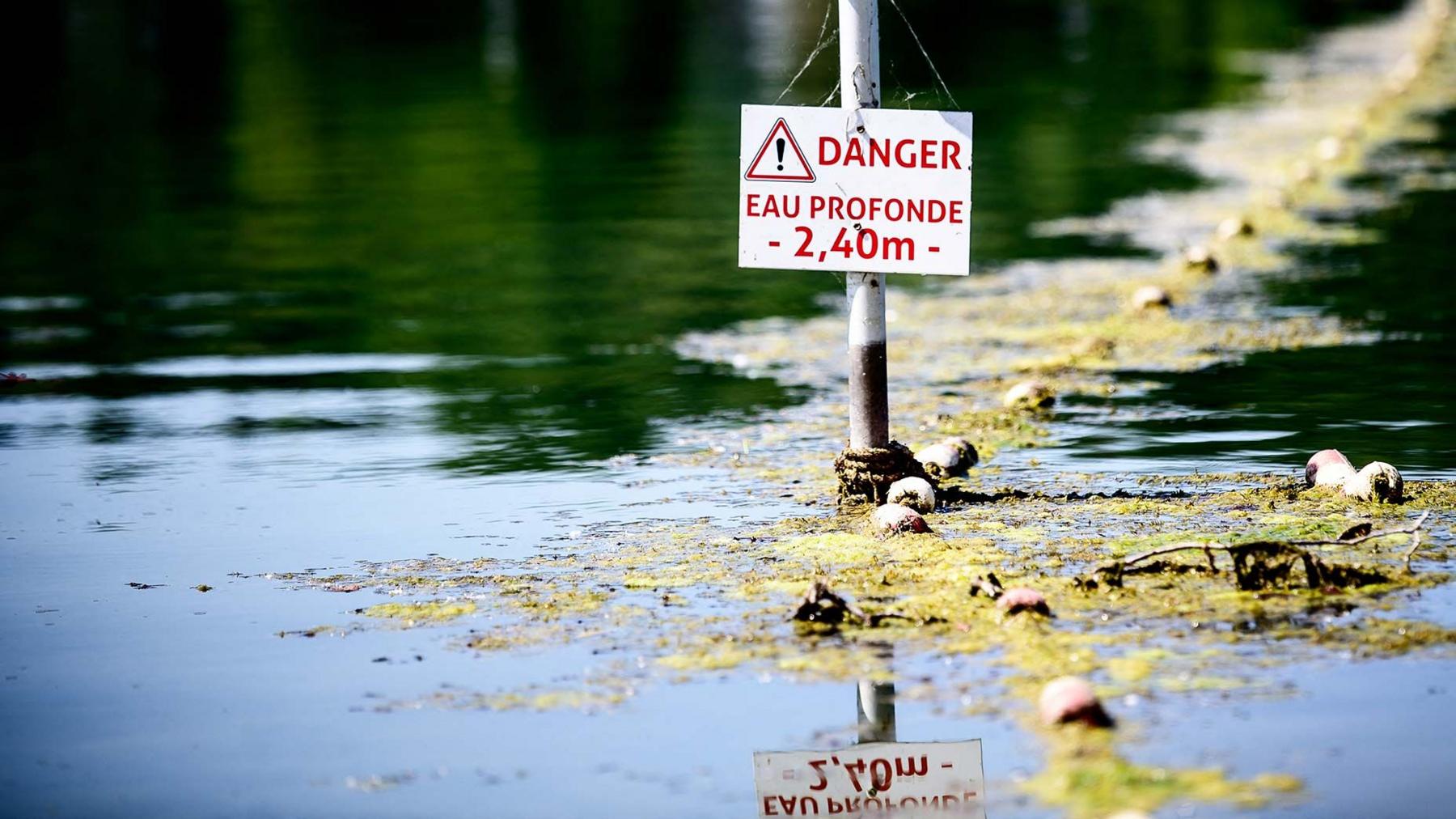
Prime Minister Sébastien Lecornu confirmed 40 heat‑wave–related fatal drownings in France, and Sports Minister Marina Ferrari warned that people were urgently redefining safe swimming – many head for rivers and reservoirs without adequate supervision. A 13‑year‑old victim drowned in the Seine, followed by a young footballer rescued from the Rhône, underscoring the danger of unsupervised water bodies during extreme heat. The French Nuclear Power Plant at Golfech was shut down Monday night as river water temperatures approached the 28°C safety limit for cooling the reactors.
Spain’s meteorological service predicts a peak of 44°C in rural Córdoba, with the Ebro valley soaring above 42°C. The country’s red alerts cover Andalusia, the Basque Country and Cantabria during the third day of a nationwide heatwave. Aemet’s data shows 101 weather stations hit or exceeded 40°C, a spike that signals a shift toward more frequent early‑summer heatwaves.
Italy meanwhile has issued red alerts to 15 major cities—including Rome and Milan—flagging conditions that pose health risks to all, not just vulnerable groups. The government introduced emergency labour protections for workers exposed to intense sun and made state‑backed furlough support available when businesses must suspend operations due to extreme heat.
Germany’s Lifesaving Association reported six fatal incidents in the Rhine between Friday and Sunday, mainly involving men who overestimated their swimming ability. The trend of drownings also extends into the UK, where heat strains risk increasing across the island.
The heatwave also upended normal life: Paris’s Eiffel Tower closed early, the Louvre cut hours, and rail services faced disruptions as tracks could not withstand temperatures over 50°C. International organisations reveal that Europe is warming twice as fast as the global average, driving a surge in wildfires, water shortages, and extreme weather.
These developments illuminate the urgent need for climate‑adaptive policies – from heat‑resilient infrastructure to public safety guidelines and shared European responses to new climatic realities.