In brief
With the Colorado River’s reservoirs at record lows, utilities face a dilemma: release cold water to keep smallmouth bass – a predatory fish – from thriving in the river’s warmer downstream reaches, or keep the dam’s turbines running and risk a severe ecological collapse. The Bureau of Reclamation is reviewing the proposal, which would bypass half of Glen Canyon Dam’s power generation and cost utilities up to $30 million annually. The decision carries national implications for fish, tourism, and energy security – and underscores the urgency of confronting climate‑driven water scarcity.
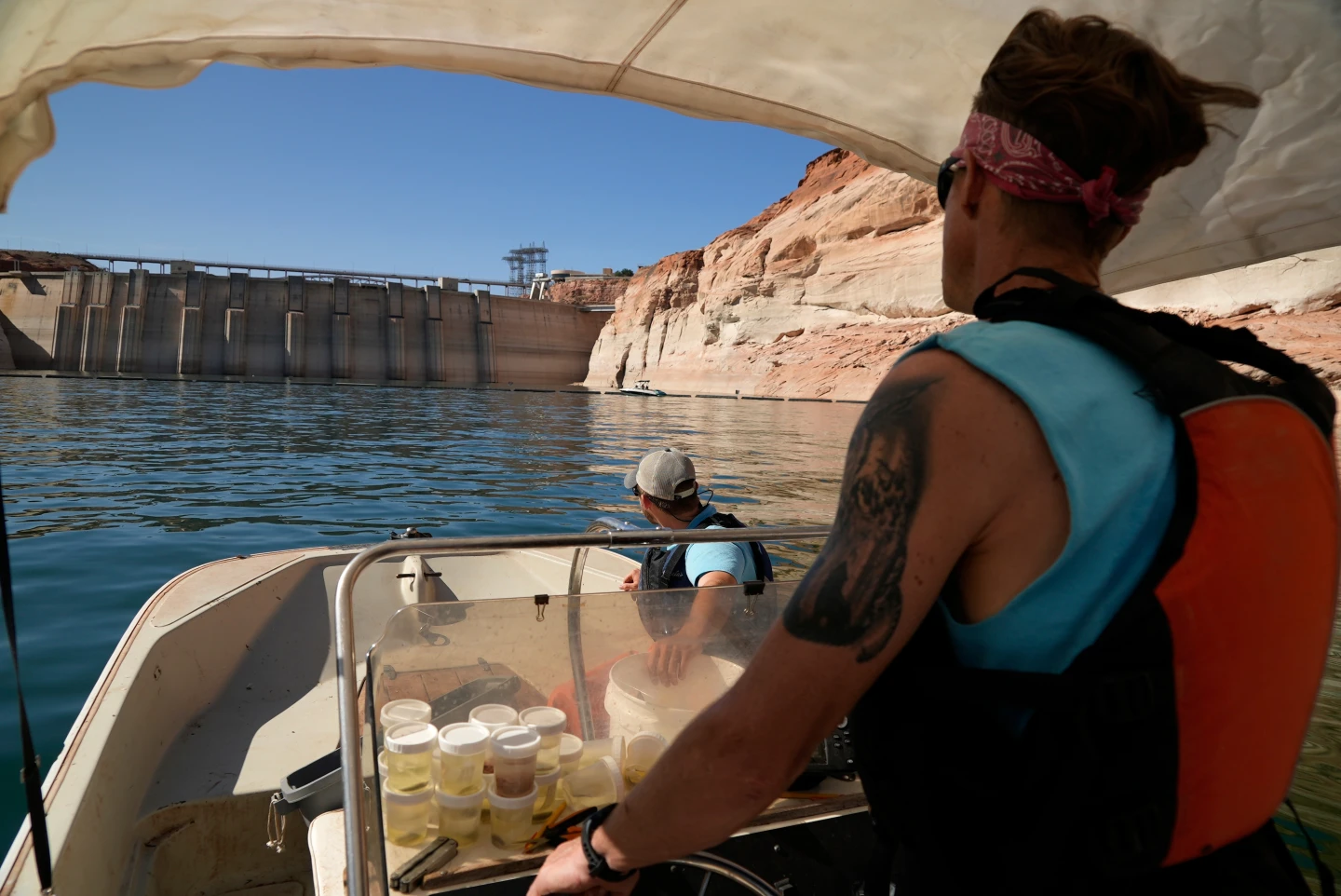
When we hit the governor’s garage and said ‘Whoa, this river is hotter than a sauna,’ we also heard people gasping about lost power.”That’s the prevailing mood in the western United States. It is the afternoon of a snow‑pack‑gone‑empty Colorado River Basin – the lifeline for 40 million people across seven U.S. states, a handful of tribal nations and Mexico. At the same time, the world‑famous trout fishery in Marble Canyon and the endangered humpback chub, a small gold‑colored fish that nests high in the river’s beds, are under threat. The bureaucracy now stands at a crossroads: do we release cold water from the bottom of Glen Canyon Dam’s enormous Lake Powell to keep the downstream river cool, or do we keep the dam’s turbines running, which propels water to near‑seventy‑degree temperatures and encourages the reproductive cycle of non‑native predatory bass?"The Proposed ‘Cool‑Mix’ PlanShould the Bureau of Reclamation approve the cool‑mix flow, it would steer cold water from jet‑tubes that bypass roughly half the dam’s turbines for the next five months. The water from deep in the reservoir emerges at about 45° F, contrasted to 65° F warm water currently released from the surface. The intent is to keep the downstream surface water below 60° F to prevent smallmouth bass – introduced in the 1980s for sport fishing – from spawning. A recent study from Utah State University found that more than half of the bass that survive the turbines would spawn if the water is warm enough. The presence of bass threatens the humpback chub populations in the Grand Canyon and could damage the iconic trout fishery in Marble Canyon.It is a matter of life and death for that fish," said Heather Whitlaw, a field supervisor with the U.S. Fish & Wildlife Service. Without the cool releases, we’re essentially giving up the future of the humpback chub and everything that depends on a cooler system. But the proposal comes at a steep financial cost. The Bureau’s own data indicate that the 2024 cool‑mix releases that bypassed 900 000 acre‑feet of water cost an estimated $19 million in replacement energy. For this year, the anticipated cost is projected to rise to approximately $25 million. Utilities‘ ResponseHeber Light & Power, a Utah utility group that buys federal hydropower, warns rate‑payers could see numbers creep up. The Colorado River Energy Distributors Association (CREDA), representing about 155 customers that buy federal hydropower, has petitioned Interior Secretary Doug Burgum to examine the cost‑savings of an alternative approach. CREDA has stated that the releases “are not a sustainable solution and threaten a fund used to operate, maintain and invest in hydropower and transmission facilities.”The current drought‑driven loss of generation, coupled with the projected new loss from the cool‑mix, is already stressing the grid across the Intermountain West. “We’re already seeing reduced generation from the drought, and now we’re seeing further reduced generation because of this experiment,” told Emily Brandt, energy resource manager for Heber Light & Power.The Social ImpactDave Foster, a longtime guide along Marble Canyon, reminds that the 2022 spoilage of rainbow trout in a remote stretch of river killed nearly half the fish that depend on that area for their livelihood. If the water gets too warm we’re going to see a sad echo – no trout fishery, no tour boats, no community hiking and fishing," he said.Meanwhile, ratepayers in Heber City have seen electricity bills climb from $86 to $125 in just one year. “It’s bearing down on families," added Foster. The Bigger PictureThe climate crisis is eroding the Colorado River’s capacity. Lake Powell is now about 23 % full, a drastic drop from its historic levels due to extended droughts and slower snowmelt. Since the last major water conflict, the interstate region has struggled to hold a conversation about the river that is increasingly unreliable.The decision to approve a cool‑mix flow or maintain power output will not be decided alone by the bureau. It will require a coalition of state and federal agencies to weigh ecological benefits against the financial impact on communities that rely on hydropower.As the saying goes, “You can’t have the best of both worlds.” The window to secure the humpback chub while preserving power is only a few years. If the bureau decides to keep the cool‑mix route, the 2024 and 2025 summer months may again serve as a “season of relief” for the fishery.But if the decision shifts towards higher generation, the story could be different. The debate underscores a broader dilemma that resurfaces across the western United States: how do we exercise water wisely while keeping energy infrastructure viable? The answer will shape the future of fish ecosystems, community livelihoods and a region’s resilience to climate change.---The Associated Press receives support from the Walton Family Foundation for coverage of water and environmental policy. The AP is solely responsible for all content. For all of AP’s environmental coverage, visit https://apnews.com/hub/climate-and-environment"