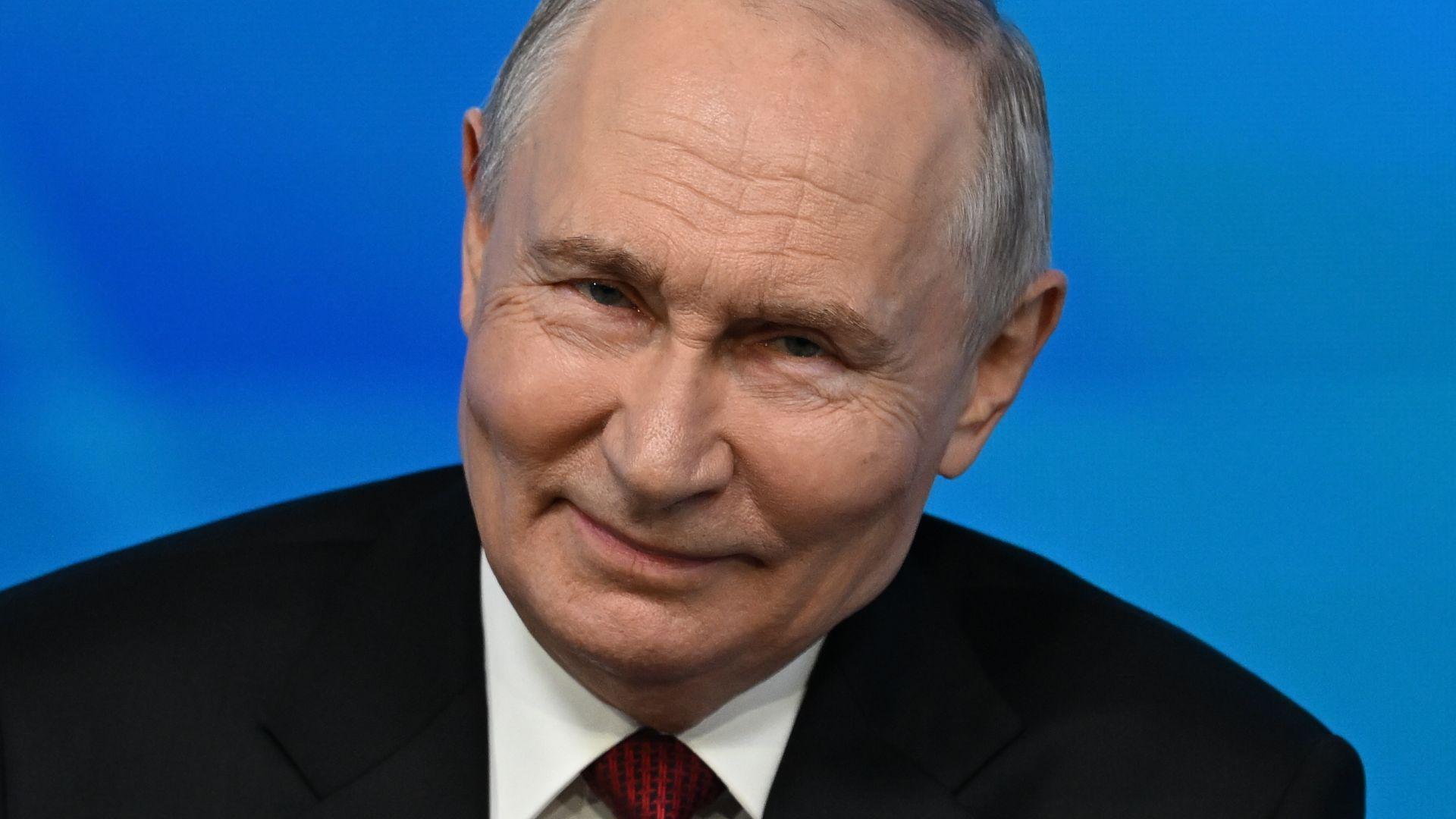
At the Valdai Foreign Policy Forum, President Vladimir Putin signalled that Russia would deploy the full spectrum of its military capabilities – including nuclear arms – to protect its Baltic exclave of Kaliningrad. This extraordinary vow was made against a backdrop of growing hybrid attacks in Lithuania and Poland, where drones and suspected Russian incursions have already heightened anxiety among civilian populations.
For a climate‑focused audience, the implications are grave. Nuclear detonations do more than instantly devastate infrastructure; they inject radioactive particles into the atmosphere, seeding the biosphere with long‑lasting contamination. Radioactive ash can circle the globe, smothering ecosystems, impairing photosynthesis, and disrupting crop yields—all of which could stall progress made in reducing global carbon emissions.
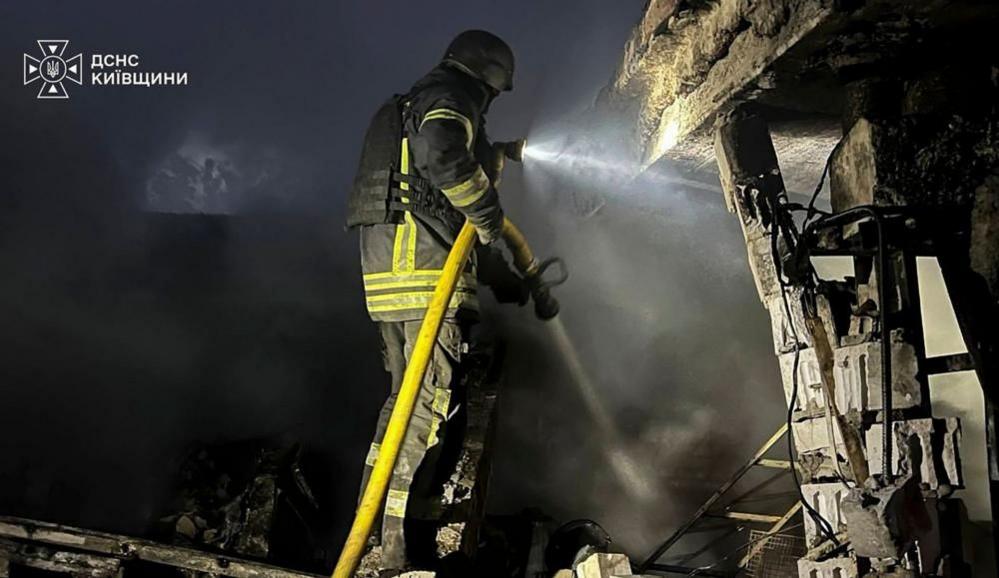
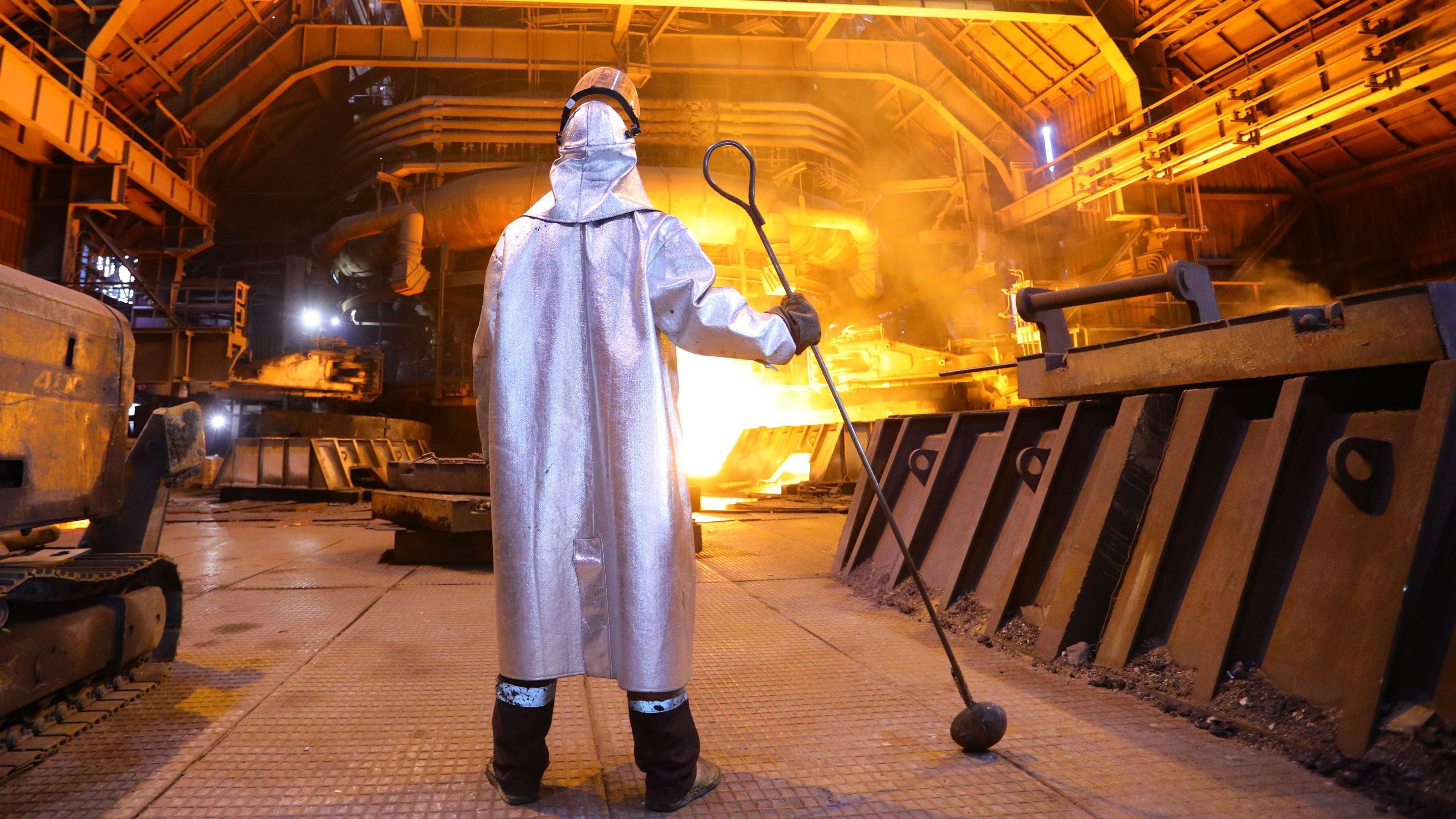
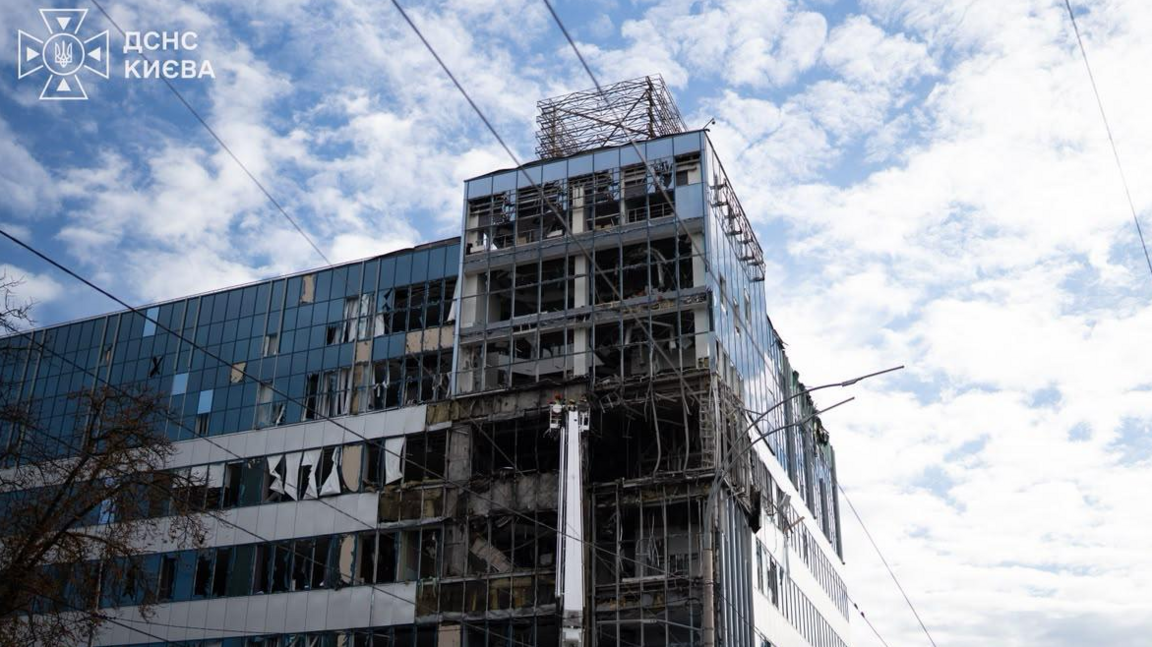
Beyond the nuclear peril, conventional aerial and missile strikes on critical energy infrastructure risk releasing significant amounts of greenhouse gases. Targeting power plants, refineries, and grid facilities not only cripples local economies but accelerates the burning of fossil fuels—the very source of the planet’s climatic crisis.
Internationally, NATO has framed its Baltic manoeuvres as defensive exercises, yet these operations intersect the same region over which Russia threatens nuclear retaliation. The resulting standoff could pivot a geopolitical quarrel into a climate disaster, especially if the conflict spills into neighbouring environmental hotspots or disrupts the supply chains of renewable‑energy technology production.
Environmental experts urge a cautious approach: immediate diplomatic engagement, transparent escalation protocols, and the establishment of neutral monitoring systems for any munitions deployed. In the long term, safeguarding these border areas will require integrating climate resilience into national defence strategies, ensuring that wars are not fought at the expense of the planet’s future.