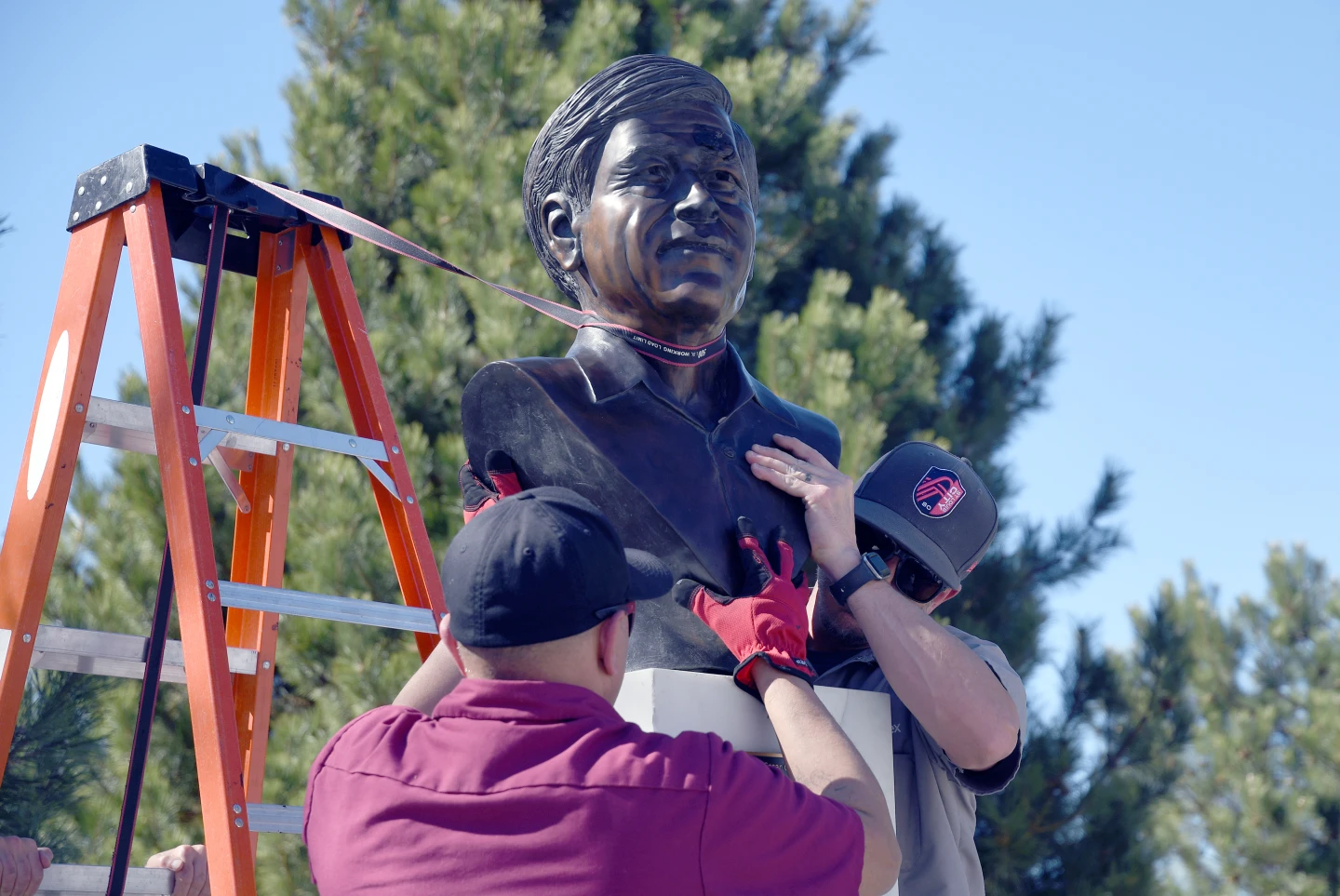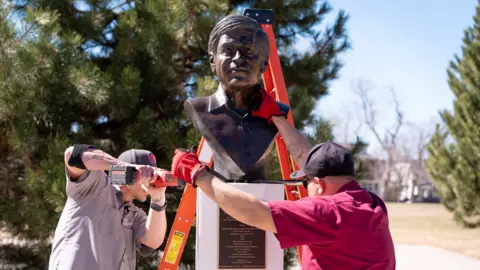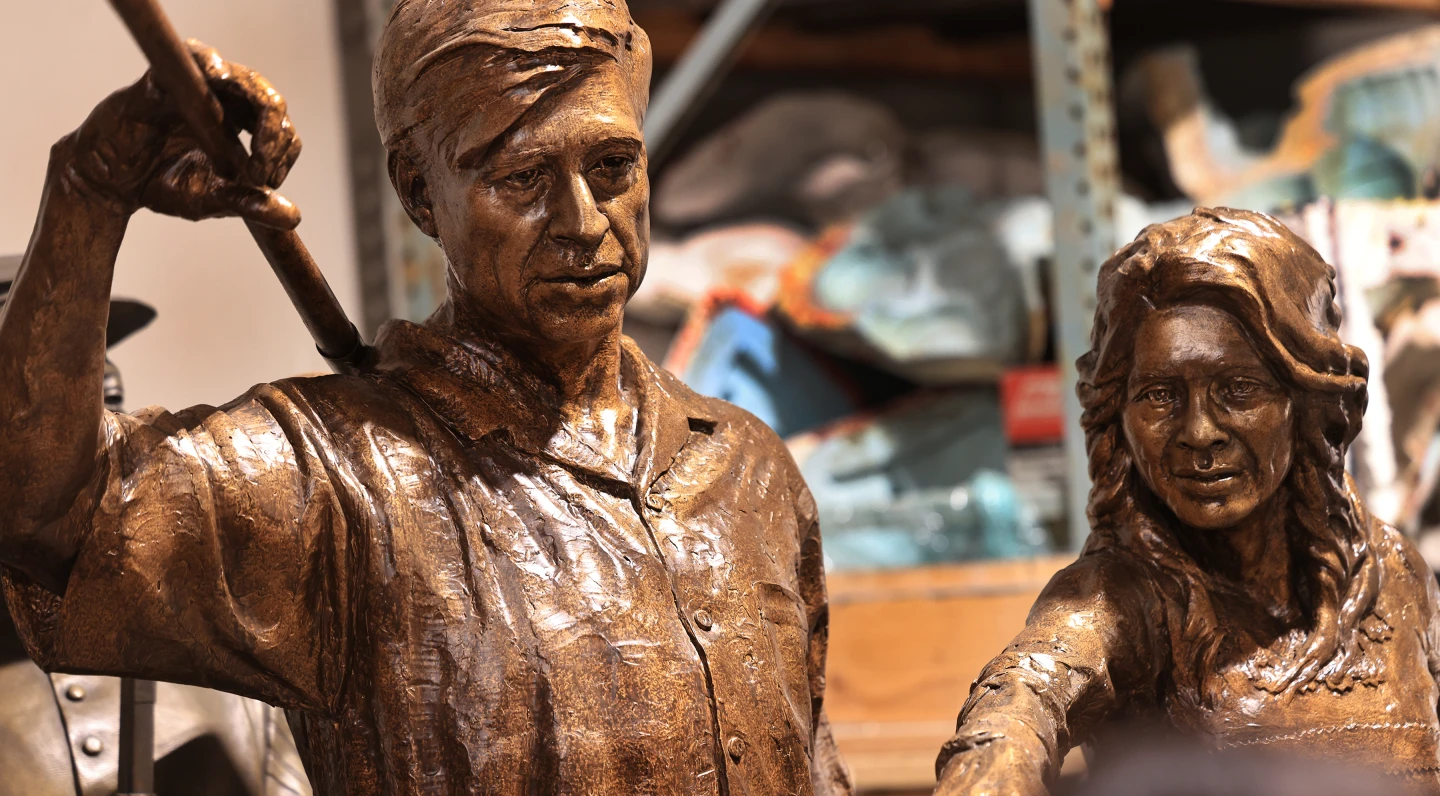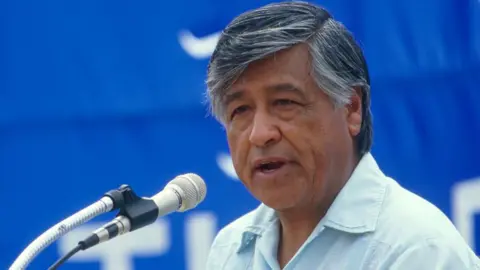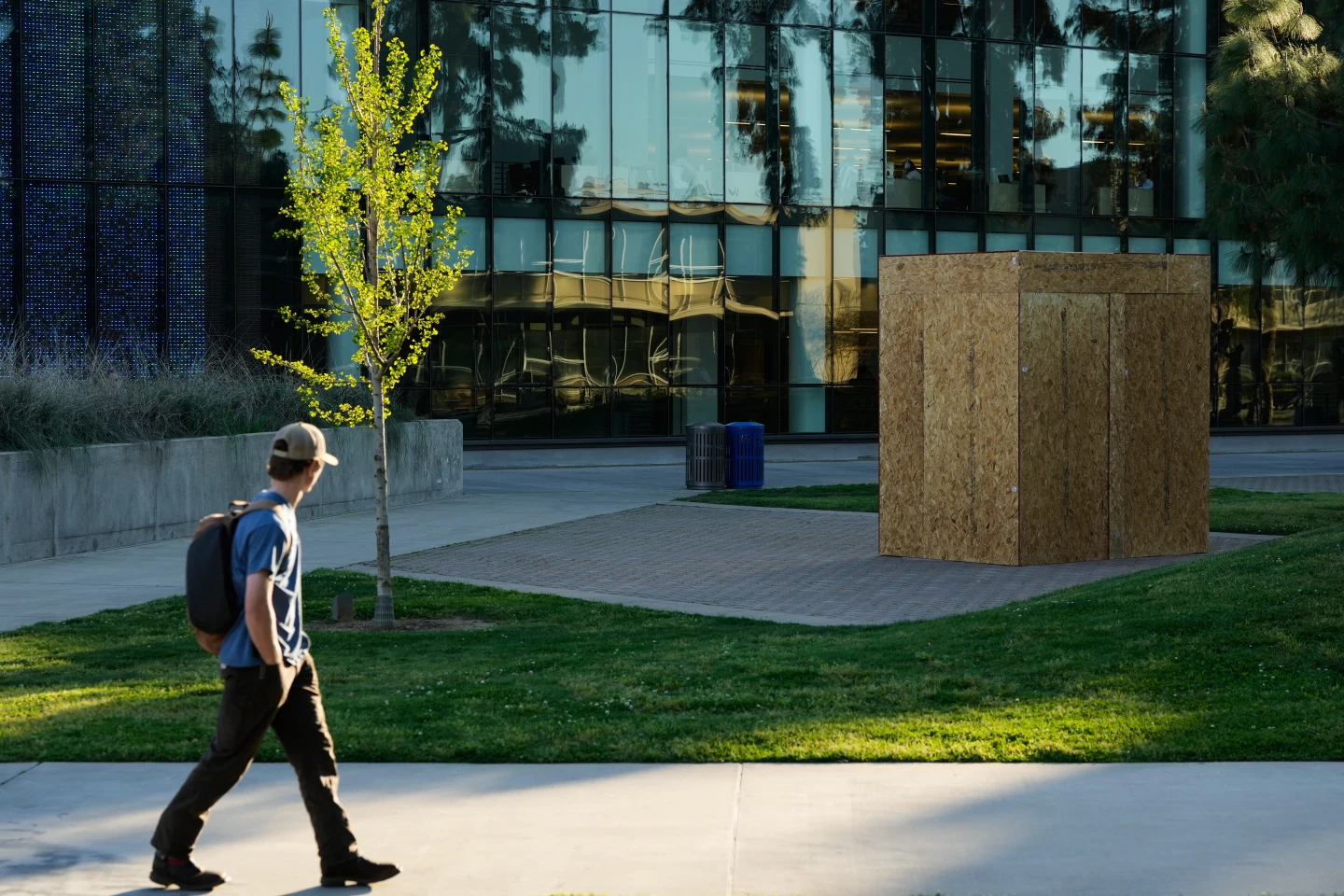
Within hours of explosive allegations of sexual abuse against the labor leader César Chavez, officials at California State University, Fresno draped a black cloth over his statue, and later concealed the statue in a plywood box, stating it will eventually be removed.
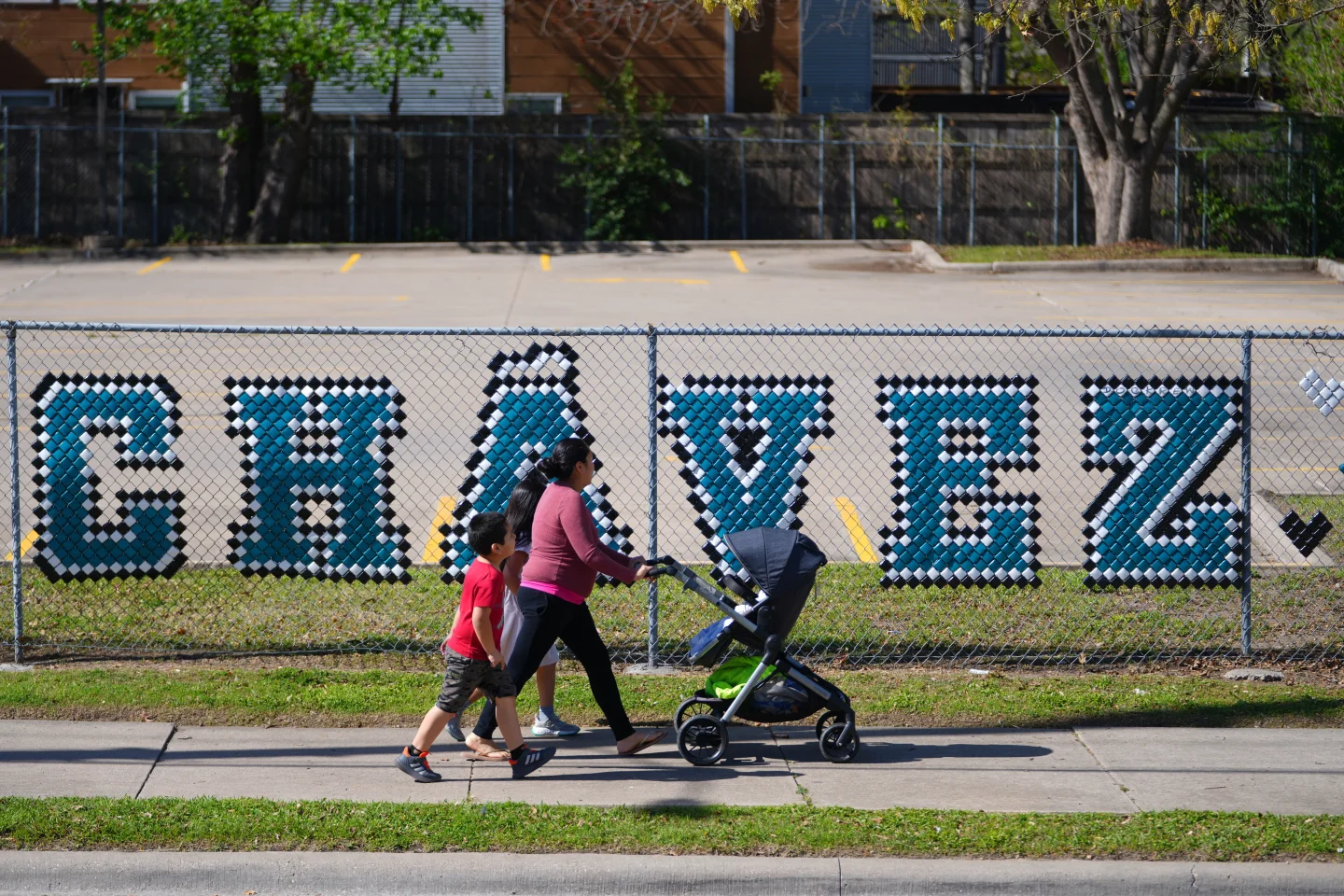
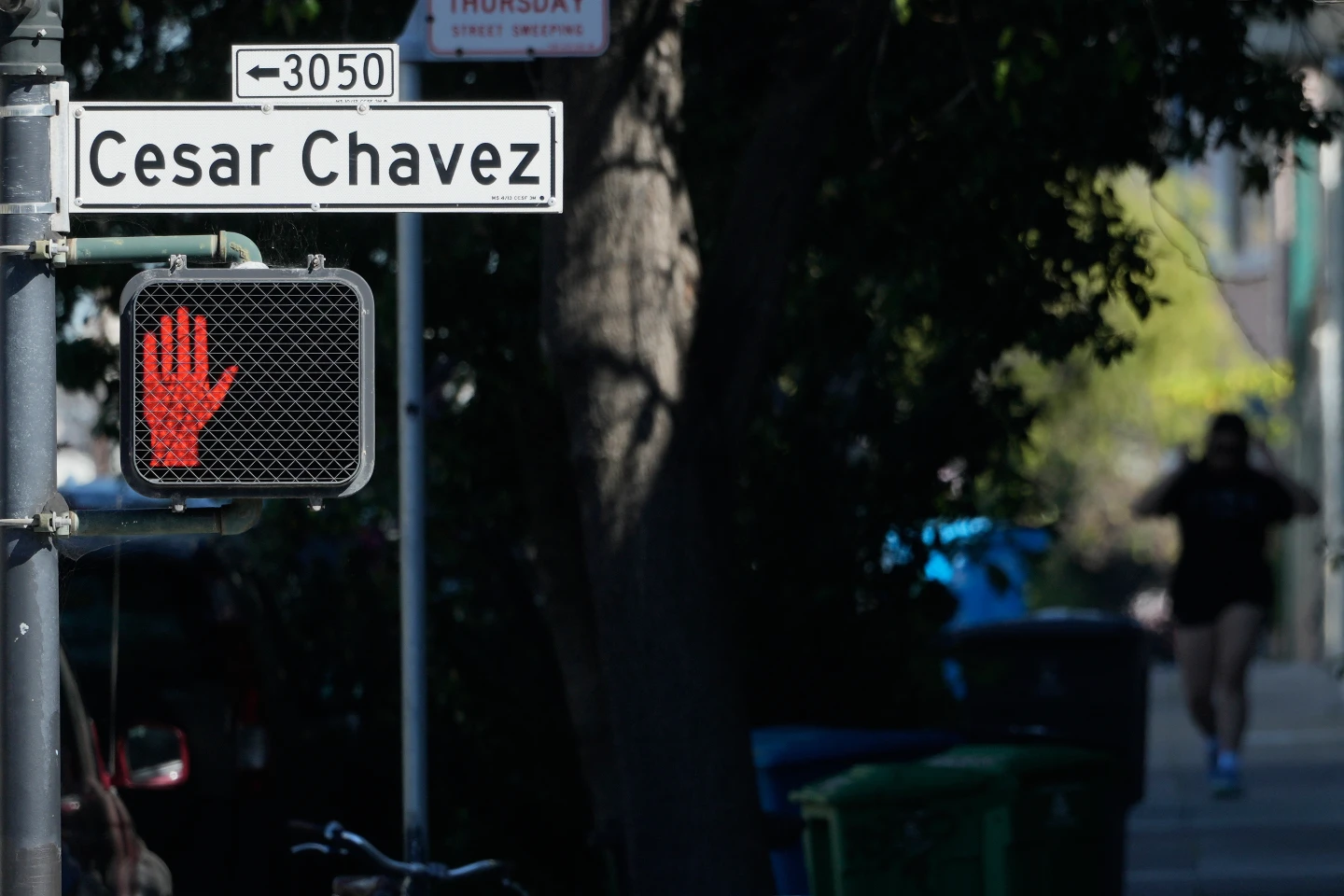
Chavez, a prominent figure in the labor movement, has numerous locations across the U.S. honored with his name, including 130 statues, streets, and schools in at least 19 states. However, following these grave allegations, authorities have initiated the process to erase his name from various tributes.
Institutions are not only contemplating the removal of statues but also discussing the renaming of César Chavez Day, a federal holiday. Many celebrations planned to honor his legacy have already been canceled.
The allegations necessitate a moral reckoning, as stated by Saúl Jiménez-Sandoval, president of Fresno State. It remains unclear how long it will take to dismantle the statue.
Concerns also arise regarding the César E. Chavez National Monument in California, where some of the reported abuse is alleged to have occurred.
A Push for Alternative Honoring
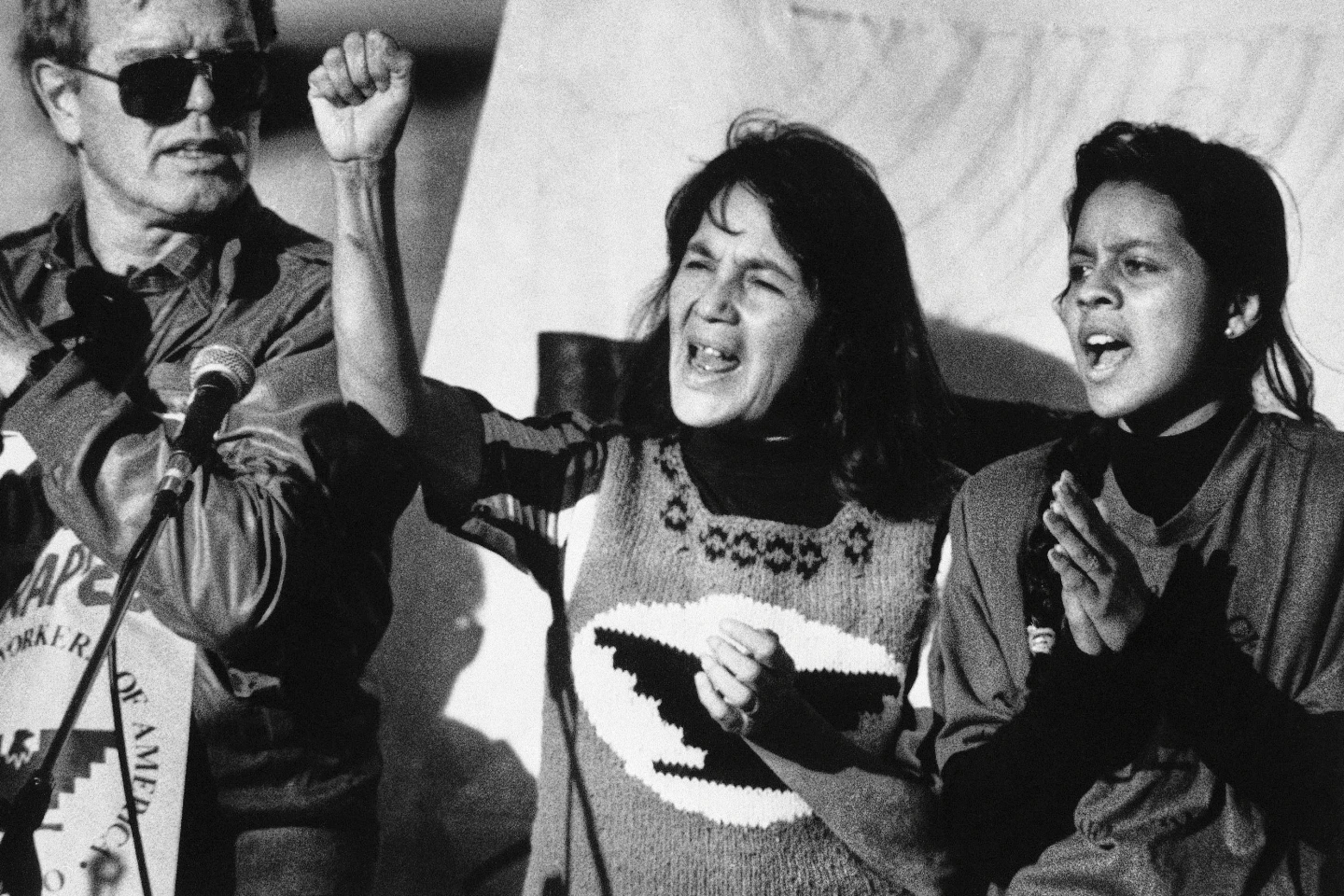
In light of these developments, some community voices advocate for renaming locations after Dolores Huerta, who co-founded the National Farm Workers Association with Chavez. Student Luca Broggi Hendryx, recalling the previous pride associated with Chavez's name, now feels the university must distance itself from his legacy.
In Phoenix, city council members are set to vote on renaming various locations associated with Chavez, with discussions suggesting César Chavez Day be replaced by Farmworkers Day. Denver has already taken action to temporarily rename the holiday to Sí, Se Puede Day, a rallying cry for the labor movement, following debates on future naming decisions.
Overall, institution leaders express a commitment to honor survivors’ dignity and ensure that community values align with actions taken.
These rapid developments highlight the shifting dynamics surrounding monumental acknowledgments and raise questions about historical legacy amidst allegations of wrongdoing. Moving forward, public discourse will likely focus on presenting a more inclusive portrayal of labor movements, potentially elevating other figures such as Huerta as symbols of justice and rights for farmworkers.