In brief
In light of recent allegations against César Chavez for sexually abusing young women during the 1960s, many states, including California and Minnesota, have initiated efforts to rename holidays and public spaces associated with his name. Community leaders and civil rights activists are struggling to reconcile Chavez’s significant contributions with the disturbing allegations against him. This internal conflict has led to nationwide rebranding of events that honor his legacy, focusing on broader labor rights movements while still aiming to uphold the values that the farmers' struggle represented.
As allegations continue to unfold regarding César Chavez's past, civil rights leaders and elected officials in states from California to Minnesota are distancing themselves from the icon of the farmworkers’ movement. The accusations of sexual abuse towards women and young girls in the 1960s have prompted a swift backlash, resulting in the rebranding of celebrations once dedicated to honoring his life in communities nationwide.
Significant changes are being made to events traditionally held in memory of Chavez. Tucson, Arizona transformed its annual celebration into a community labor fair, while the observance in Grand Junction, Colorado, has been revamped to the Sí, Se Puede Celebration. Rather than commemorating Chávez, El Paso will mark the day as Community and Labor Heritage Day.
In direct response to the allegations, Minnesota lawmakers voted to terminate the César Chavez holiday, and California Governor Gavin Newsom has signed a bill to rebrand César Chavez Day as Farmworkers Day. Similar renaming initiatives are being proposed in Colorado as lawmakers consider changing the state holiday.
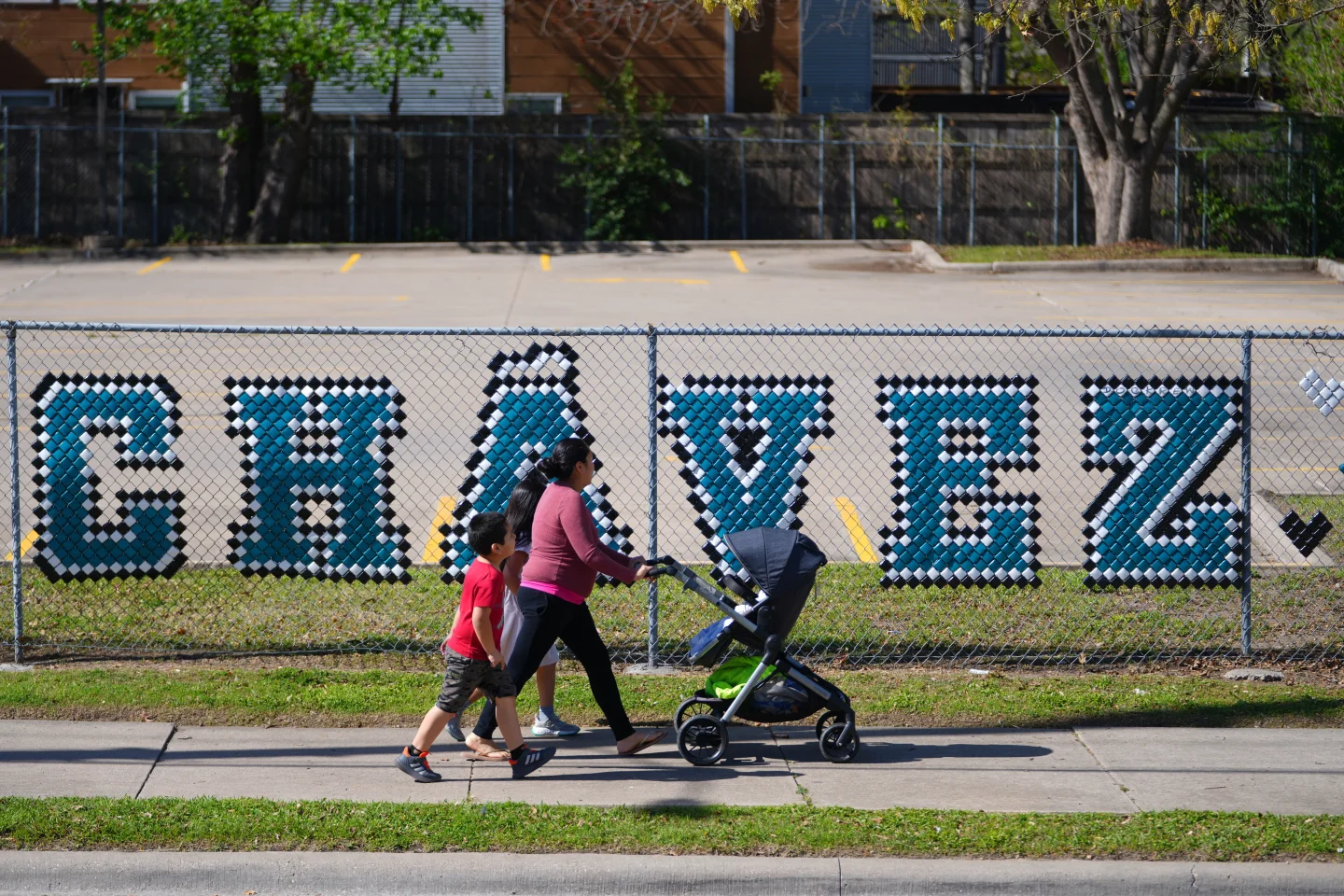
Allegations of abuse not only have led to the reconsideration of public holidays but have ignited conversations about renaming schools, streets, and places commemorating Chavez, including a national monument in Keene, California.
Many supporters of Chavez are experiencing a spectrum of emotions, from disappointment to anger, as they navigate the complexities of honoring a pivotal figure in labor rights while grappling with accusations of personal misconduct. Dolores Huerta, Chavez's co-founder, has publicly shared her own experiences of abuse, intensifying the conversation surrounding his legacy.
Despite the difficulties, many communities are determined to continue their celebrations, adjusting the narrative to emphasize solidarity within the labor movement rather than the individual symbolism of Chavez. José Luis Chavez, a member of a committee that organizes annual celebrations in Colorado, expressed that canceling the observance was not an option, as they believed the movement represents something larger than any single person.
In Arizona, the César E. Chávez + Dolores Huerta Coalition has emphasized the movement's broader significance, stating, 'No single individual defines it... We, the working people, do.' This sentiment is echoed across various states, where despite calls for significant changes, many activists feel a responsibility to continue honoring the legacy of labor rights.
In Albuquerque, New Mexico, city officials are beginning to reassess the names of public spaces associated with Chavez, reflecting the community's mixed feelings and diverse perspectives surrounding the allegations. Local leaders acknowledge the complex, multifaceted nature of identifying and celebrating such historical figures, recognizing the importance of embracing a full and honest narrative that includes both triumphs and failings.
As communities reflect on César Chavez's legacy, they face the challenge of addressing serious allegations while upholding and fostering the fundamental rights for which he fought. The ongoing dialogue illustrates the need for nuanced conversations about history, legacy, and the individuals who shape movements for change.