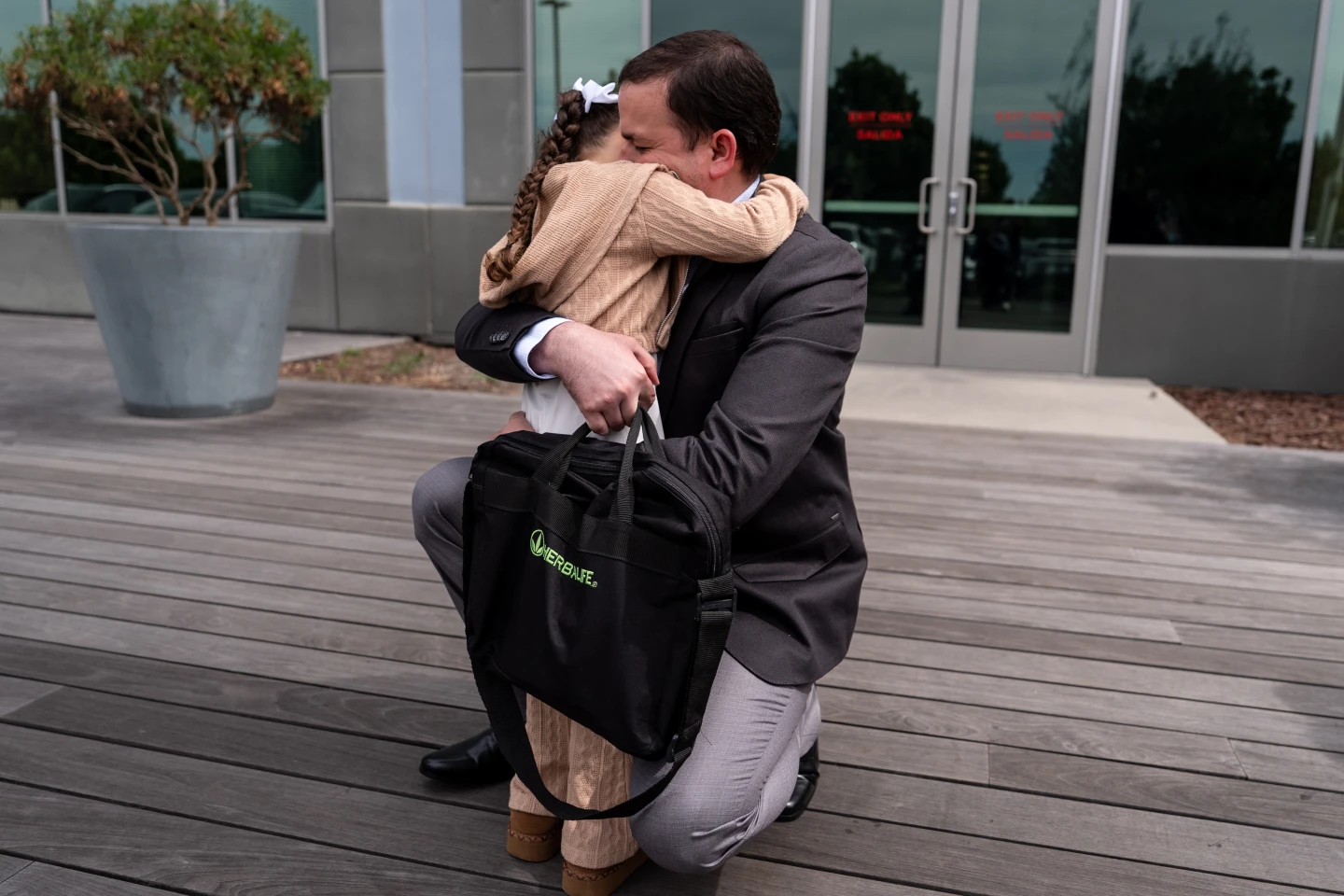
PHOENIX (AP) — Mary Rose Wilcox, once a staunch supporter alongside César Chávez, has faced emotional turmoil after hearing recent sexual abuse allegations against him. The new charges have forced her and others to reconsider their admiration and public displays of support for Chávez, who famously rose as a champion for farmworkers' rights but now stands accused of egregious misconduct.
By Wednesday morning, Wilcox and her husband decided to remove Chávez’s photographs from their restaurant, marking a significant and painful break from a figure they once revered. Wilcox expressed a sentiment echoed by many, stating, “We love César Chávez. But we cannot honor him and we cannot even love him anymore.”
This upheaval has been met with swift condemnation from Latino leaders and community organizations, who characterized the alleged abuse as inexcusable. The legacy of the farmworker movement, however, is seen as intricately tied to more than just Chávez. Many leaders emphasize that the movement endures beyond any single individual.
In the wake of the allegations, memorials and festivities celebrating Chávez’s contributions to labor rights are being reexamined. Some activist groups and local government officials have called for a cessation of traditional Chavez Day events, seeking to honor the movement while holding its figurehead accountable. Significant commemorations have already been canceled across California, Texas, and Arizona, spurred by requests from the César Chávez Foundation.
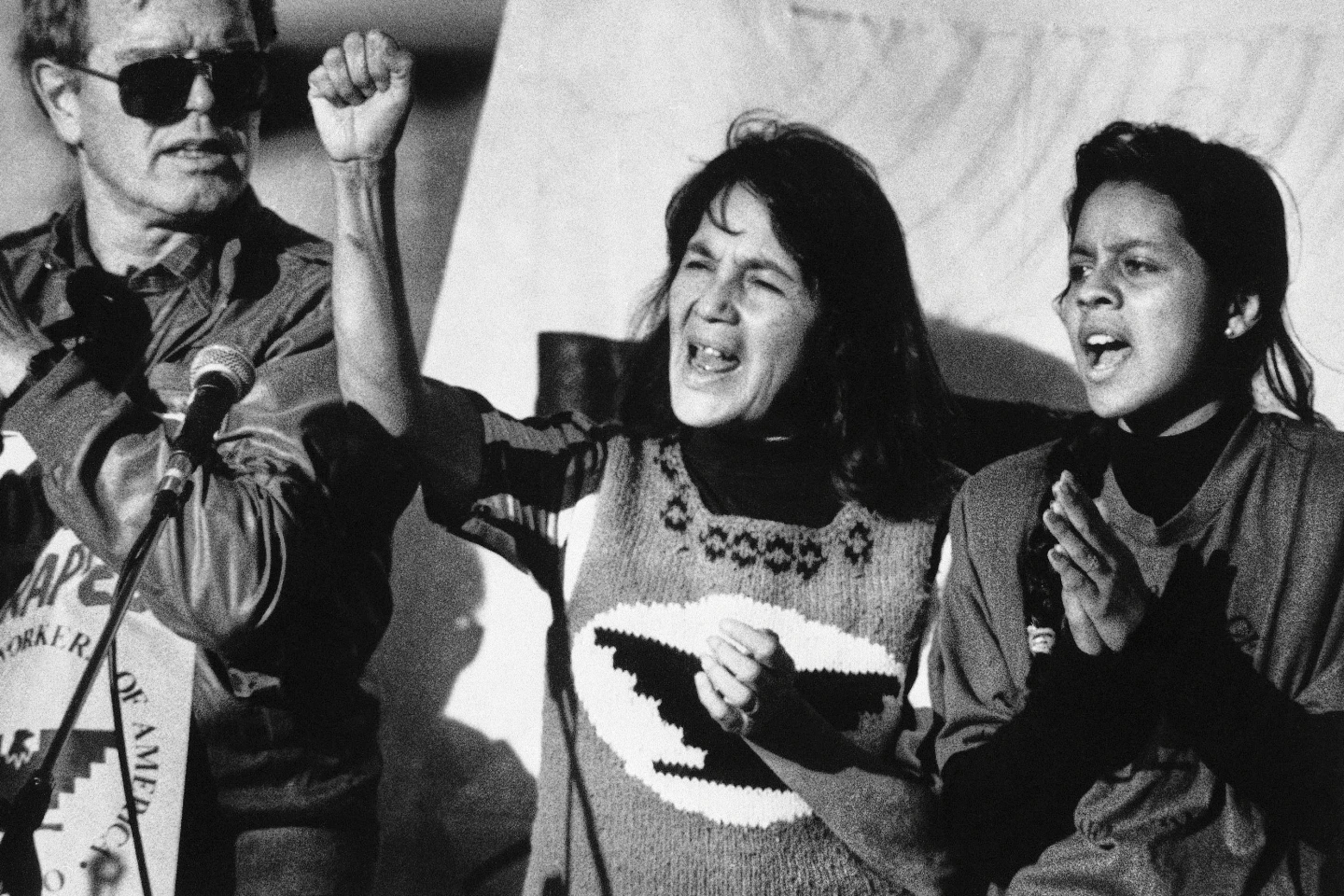
Dolores Huerta, Chávez’s co-founder and a key figure in labor rights advocacy, shared her own traumatic experiences, revealing that she too was a victim of Chávez’s abuse. In her statement, she expressed sorrow for not speaking out sooner, stating she was concerned about the damage it might inflict upon the movement she helped foster. Huerta recounted specific incidents of abuse, sharing her anguish and the complexities of her relationship with Chávez.
The allegations were brought to the forefront following a report by The New York Times, detailing Chávez’s grooming and sexual exploitation of young women involved in the farmworker movement, a revelation that has shaken his once-noble legacy. Hailed for organizing farmworkers, pioneering labor rights, and promoting nonviolent resistance, many now bolster efforts to recontextualize his contributions amid this scandal.
Some community members, like Wilcox, reflect on the paradox of loving a leader who is now revealed as deeply flawed. “There’s two things: Chávez the man and Chávez the man who we didn’t know. And the one we knew was a good man,” she recounted.
César Chávez’s impact on labor organizing is profound; from orchestrating strikes to leading nationwide boycotts advocating for Latinx worker rights, his contributions defined a generation. Streets, schools, and parks globally are named in his honor. Yet as voices rise calling for accountability, the movement he helped create continues to navigate its complex history.
The Chávez family has expressed devastation over the revelations, extending support to victims of sexual abuse. The César Chávez Foundation aims to find a path to honor the voices of the survivors while upholding the movement’s values of justice and dignity."