In brief
Dolores Huerta, alongside other women advocates, addresses the pervasive issue of sexual violence faced by farmworkers, revealing her own traumatic experiences. Following a cultural shift fueled by the #MeToo movement, women leaders in the agricultural sector are actively advocating for justice, legal reforms, and support systems designed to protect their rights and empower them to break the silence surrounding abuse. Their fight is enhancing awareness about the challenges women farmworkers face, leading to changes in laws and employer practices.
NEW YORK — Dolores Huerta, a prominent labor rights activist, has emerged as a vital voice in advocating for women farmworkers facing sexual violence. At a recent event in Chicago, Huerta highlighted the necessity of educating these workers about their rights and empowering them to challenge the underreported sexual exploitation rampant in agriculture.
Amidst her advocacy, Huerta shared her own harrowing experience of sexual abuse by César Chavez, the co-founder of the United Farm Workers. This revelation brought to light the deeply rooted culture of fear within not just the agricultural fields but the labor movement as well.
Advocates like Mónica Ramírez acknowledge that the decision by Huerta and others to speak out signals progress since Chavez’s era, with grassroots organizations led by women farmworkers demanding federal investigations and legal reforms to ensure workplace safety.
Stepping Towards Justice
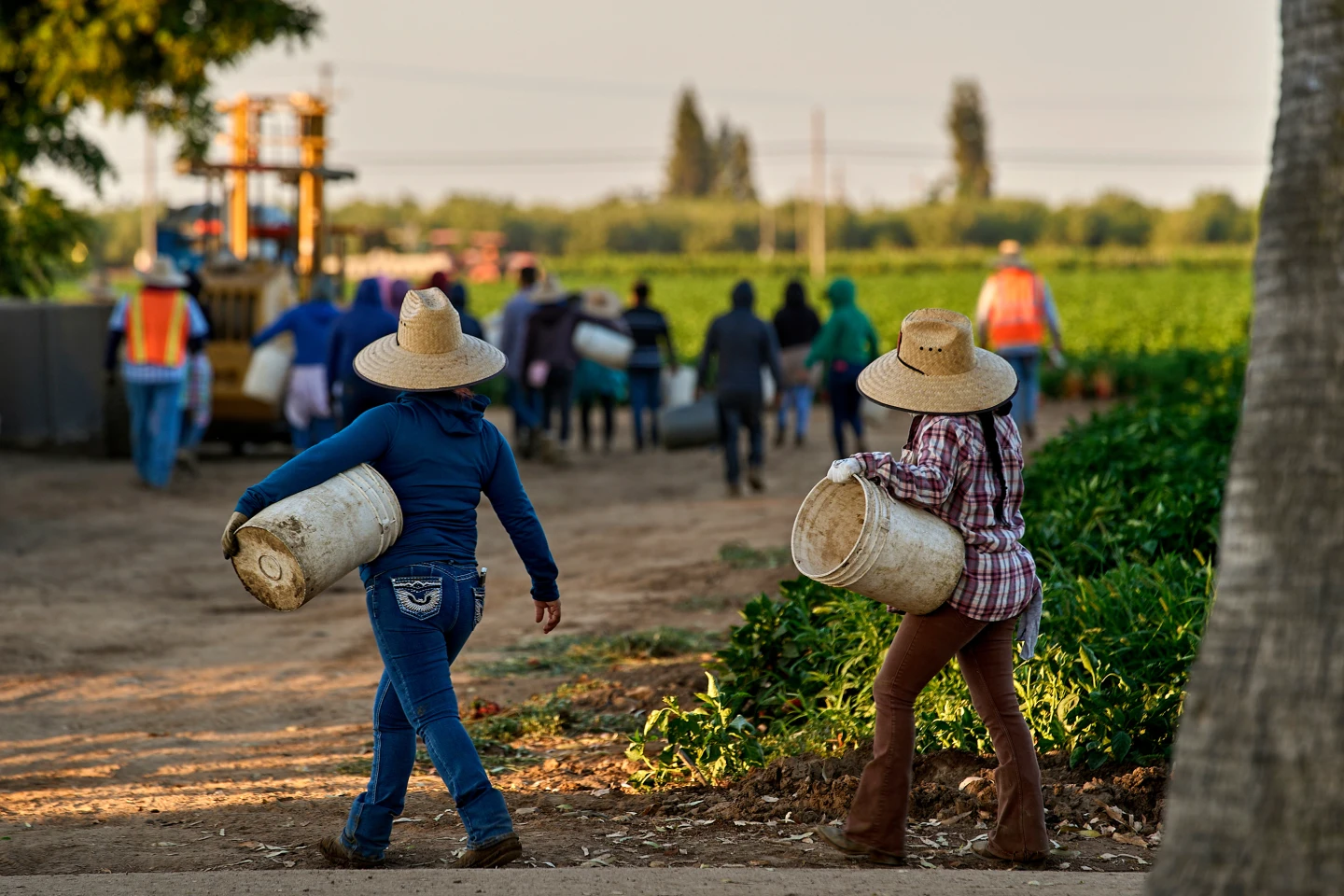
Women make up about a quarter of the more than 1 million hired farmworkers in the U.S., yet sexual harassment remains alarmingly prevalent. Studies indicate that over 80% of women crop workers report experiencing some form of harassment, driven largely by isolation, fear, and language barriers.
In 1999, a landmark case won by the Equal Employment Opportunity Commission (EEOC) against a major lettuce grower marked the beginning of a new era for women farmworkers, highlighting the dire need for systemic change.
Breaking the Silence
With more organizations like Líderes Campesinas working to educate farmworkers about their rights, there is a noticeable shift in the conversation surrounding sexual violence. Women now feel supported in voicing their experiences, a remarkable change from the silence that used to dominate their communities.
Gains Achieved, Challenges Remain
While progress has been made, barriers such as immigration status and fear of reprisal persist. But advocates remain committed to fighting for their rights and transforming the landscape for women farmworkers.
Ramírez emphasizes the need for continued efforts to support survivors and promote justice within the agricultural sector, urging society not to forget the power and resilience of women leading this movement.