In brief
Public health officials in Minnesota's Somali community are facing a crisis with measles vaccination rates plummeting due to misinformation surrounding the MMR vaccine. Despite efforts to combat this trend through community engagement and education, recent immigration crackdowns and fear among residents have hindered access to essential healthcare services. Local advocates highlight the need for persistent outreach as they work to improve understanding and trust in vaccines for the safety of children.
MINNEAPOLIS — Vaccine hesitancy in Minnesota's Somali community has become a pressing public health issue, attributed to a combination of misinformation and fear stemming from recent immigration enforcement actions. Reports indicate that measles vaccination rates among Somali children have plummeted from 92% in 2006 to approximately 24% today, significantly lower than the 95% threshold required to prevent outbreaks.
Community health advocates highlight the troubling trend despite ongoing outreach efforts, including mobile clinics and vaccination campaigns. Immunization rates continue to decline due to growing concerns about the safety of vaccines exacerbated by fears of immigration enforcement, causing many families to avoid seeking healthcare.
Immigrant families face unique challenges as misinformation about vaccines, particularly relating to the MMR vaccine's supposed link to autism, spreads rapidly through social media. Conversations among community members have shifted from health discussions to more immediate concerns such as economic survival and access to basic necessities.
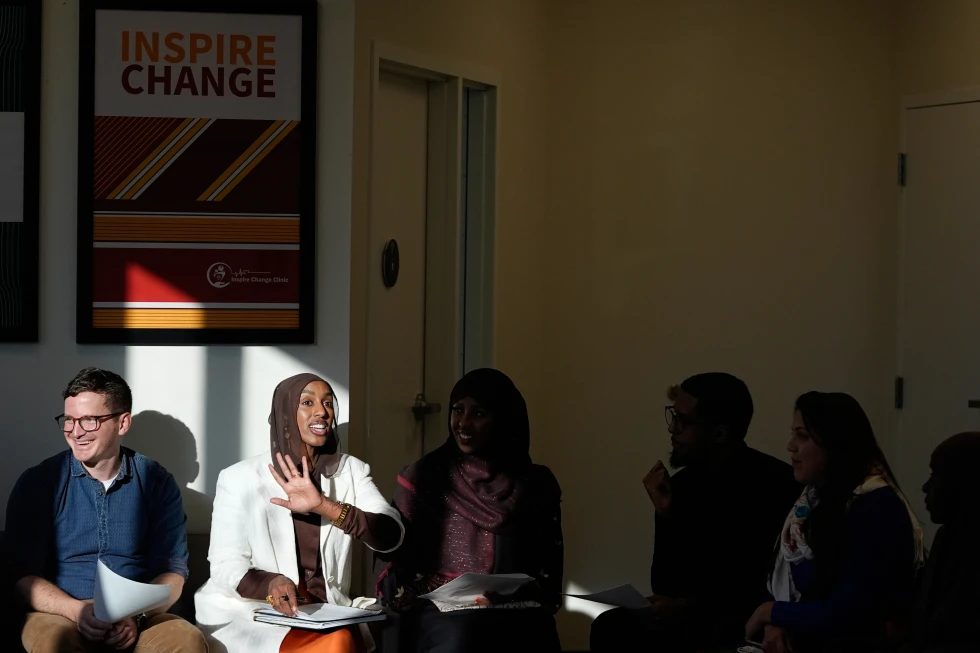
“People are worried about survival,” explains nurse practitioner Munira Maalimisaq. “Vaccines are the last thing on people’s minds, but it is a big issue.” Public health officials stress that maintaining public trust requires deep community engagement, yet many families are hesitant to participate in healthcare due to fear.
This environment has led to a significant drop in vaccination rates, prompting health providers to shift their strategies. Initiatives now include outreach to parents through trusted community figures rather than relying solely on traditional medical consultations. Health educators aim to reconnect with families and address their concerns without patronizing them.
Despite the challenging landscape, positive shifts are noted, with some parents sharing their vaccination stories on social media, helping to reshape the narrative around vaccine safety. However, the path to reclaiming initial vaccination rates remains daunting as the community navigates layers of fear, misinformation, and health challenges.
As community members increasingly recognize the need for immunization, advocates remain hopeful that clear communication and a focus on education can restore trust in vaccines, ensuring the safety of the younger generation against preventable diseases.