In brief
As allegations of sexual misconduct surface against César Chávez, a figurehead of the labor movement, communities and activists reflect on his dual legacy as both an advocate for farmworkers and an alleged perpetrator. This complex narrative prompts discussions on the contributions of collective efforts in movements and how history should remember Chávez amidst current controversies.
Antonio Bustamante reflects on a watercolor of activist César Chávez, a man he idolized and worked alongside during his labor rights campaigns. However, the recent allegations against Chávez for the grooming and sexual abuse of women and young girls have cast a shadow over his legacy, forcing Bustamante and many others to confront a conflicting narrative.
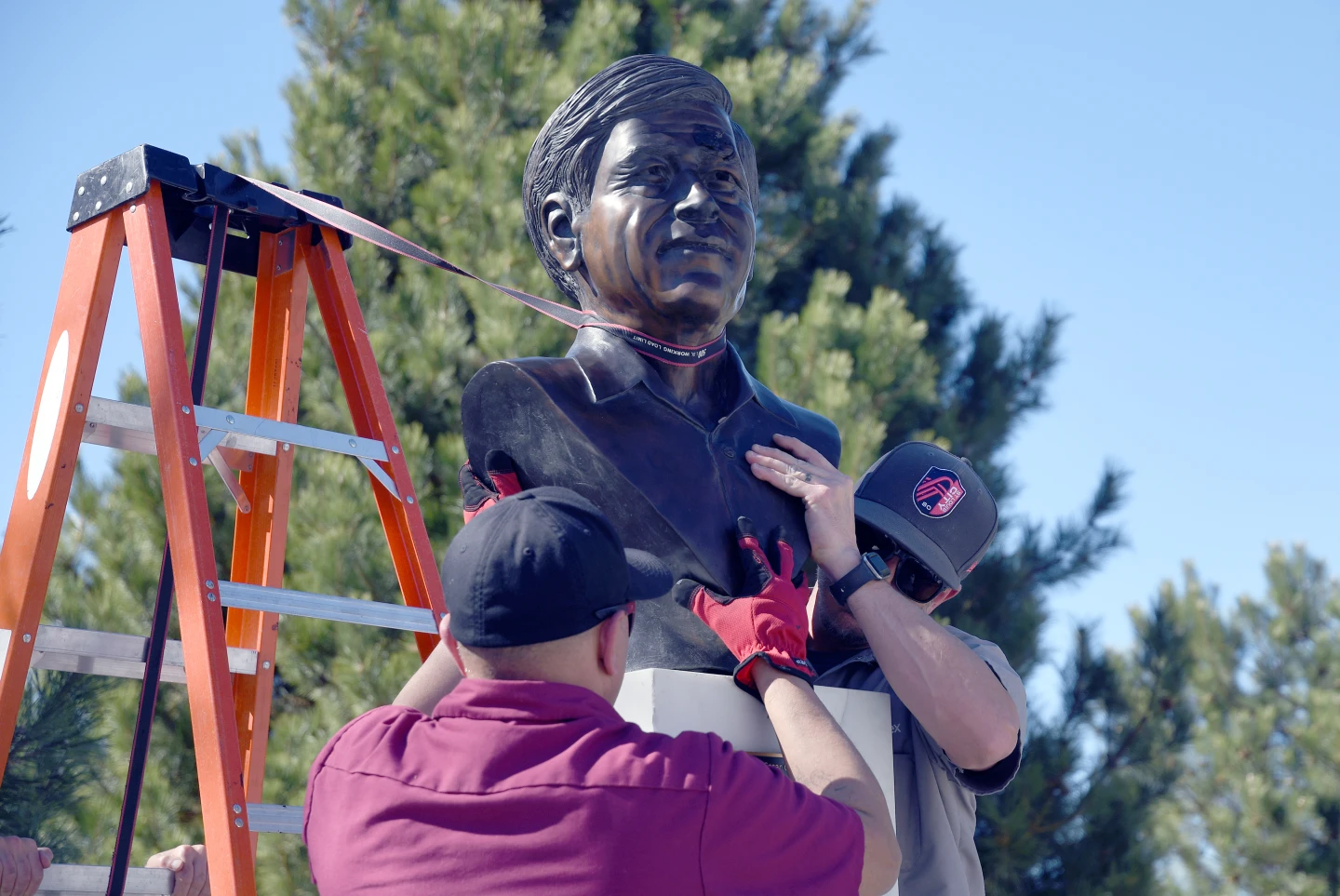
Chávez was a prominent figure in the labor movement, co-founding the United Farm Workers union and advocating for better wages and working conditions. His efforts galvanized many, including Dolores Huerta, also among his proclaimed victims. As communities react to these revelations, monuments to Chávez are being reconsidered, with his name disappearing from public spaces across the country.
Struggling with a Dual Legacy
“I’m trying to figure out how emotionally and intellectually I’ll be able to understand my perception of him as an extremely good man in contrast to these harrowing allegations,” Bustamante shared, addressing the emotional turmoil many feel.
Teresa Romero, president of the United Farm Workers, emphasized the importance of understanding both Chavez’s accomplishments and the gravity of the accusations, asserting that both truths coexist in his legacy.
Advocacy groups like Voto Latino are focusing on the broader collective efforts that shaped the labor movement, stating, “The rights and protections that came from it belong to the people that built it.” This perspective offers a pathway forward without dismissing the contributions of individuals like Chávez while acknowledging the complexity of his actions.
Future of Chávez's Recognition
As monuments are taken down and public celebrations annulled— such as César Chávez Day— political leaders call for a reevaluation of his commemoration. While some celebrate his monumental contributions to labor rights, others criticize the troubling implications of his alleged actions.
“What’s clear,” Bustamante remarked, “is there will always be an asterisk next to Chávez’s name. His achievements don’t erase the significance of the harm he is alleged to have caused.” This realization encapsulates the ongoing dialogue about how history remembers figures who inspired large movements while harboring personal transgressions.