In brief
Dolores Huerta, a prominent labor leader and co-founder of the United Farm Workers, has brought to light her own traumatic past involving César Chavez, a revelation that could reshape how we view historical figures in the labor movement. Despite facing this challenge, Huerta remains resolute in advocating for marginalized communities, demonstrating unwavering strength and resilience. This story opens up conversations about the complexities of legacies within activism and the importance of empowering victims.
ALBUQUERQUE, N.M. — Dolores Huerta, the legendary labor leader known for co-founding the United Farm Workers union, recently shared a painful personal experience from her past: her sexual abuse by fellow activist César Chavez. This disclosure, made public on Wednesday, challenges the narrative surrounding the revered civil rights leader's legacy.
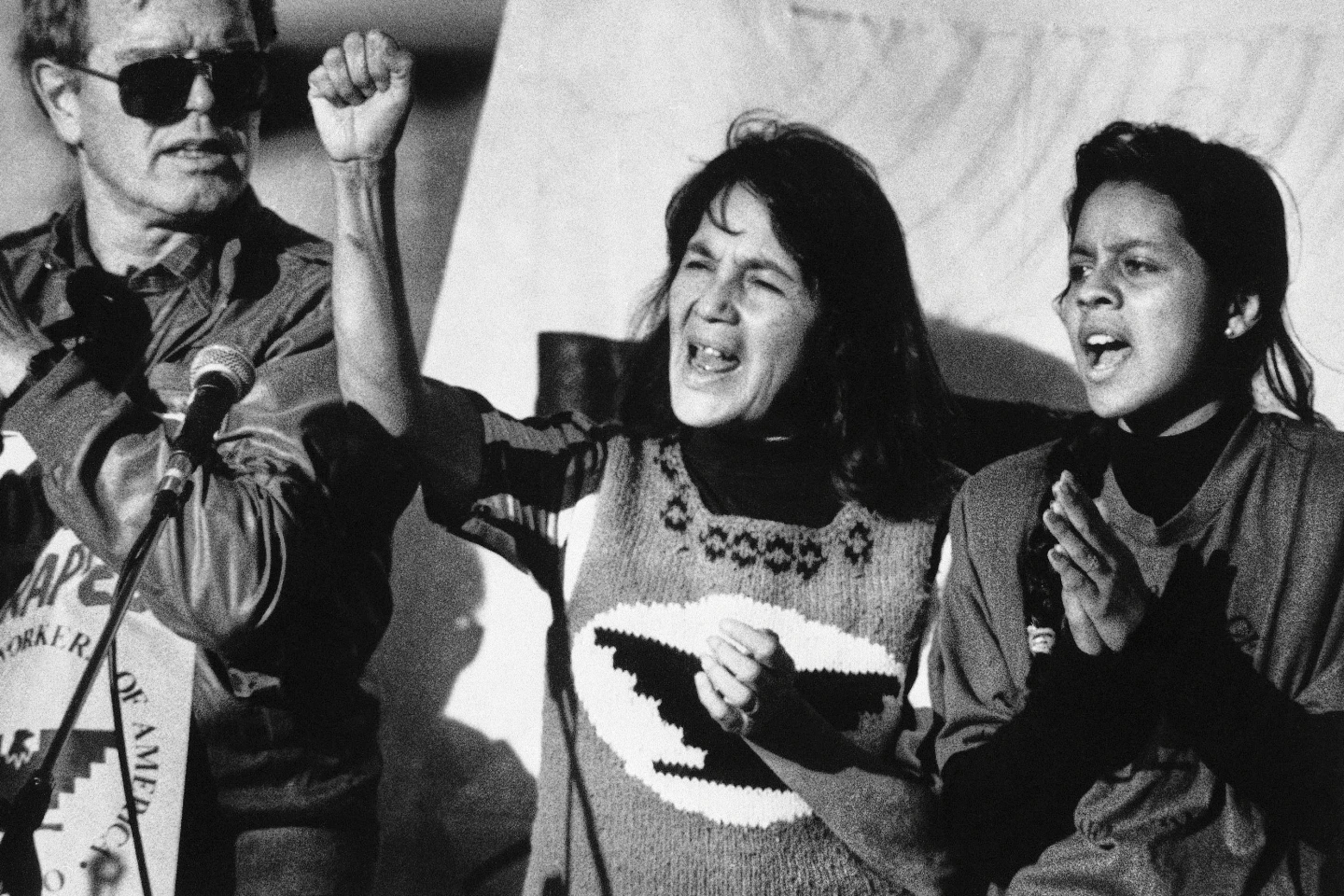
The phrase “Sí, se puede” (Yes, it can be done), coined by Huerta, has echoed through decades of activism, becoming a rallying cry for various social justice movements. Huerta’s resolve and indomitable spirit have not only secured her place as a respected icon in labor rights but also as a beacon for feminist activism.
In her statement, Huerta emphasized her commitment to the movement, stating that her silence was intended to protect the labor rights struggle. “I channeled everything I had into advocating on behalf of millions of farm workers and others who were suffering and deserved equal rights,” she affirmed.
Her revelation has ignited a wave of reactions, with some calling for governmental institutions and public spaces named after Chavez to now honor Huerta's contributions instead, signalling a potential shift in how we acknowledge historical figures.
Born in 1930 in New Mexico, Huerta’s journey from a young teacher to a prominent activist reflects her dedication to honoring cultural diversity and advocating for equality. After initially working to mitigate her students' poor living situations, Huerta joined forces with Chavez in the 1960s to address the urgent needs of farmworkers.
Over her remarkable career, Huerta has faced incarceration multiple times in her quest for social justice and has continued to strengthen her advocacy for women's rights and ethnic equality through her foundation.
This intersection of personal trauma and public advocacy has led voice to the ongoing debate about addressing past abuses within movements for social change, urging us all to reflect on the complexities of legacy, justice, and accountability.
As Huerta continues to campaign and inspire newer generations of activists, her story serves as a reminder of the strength and resilience needed to confront not only societal issues but personal battles too.