In brief
As drought conditions worsen across the Western U.S., officials are taking drastic measures to maintain electricity generation by releasing large volumes of water from Flaming Gorge Reservoir to Lake Powell. The decision aims to keep the water levels high enough for continued hydropower production, but it poses serious challenges for local communities and ecosystems, highlighting the ongoing water crisis driven by climate change.
FORT COLLINS, Colo. — Canyons in eastern Utah are bracing for a historic spring as officials plan to release a deluge of water—equivalent to the simultaneous flushing of 50,000 toilets—to keep hydropower generation alive for thousands of homes across the Western U.S.
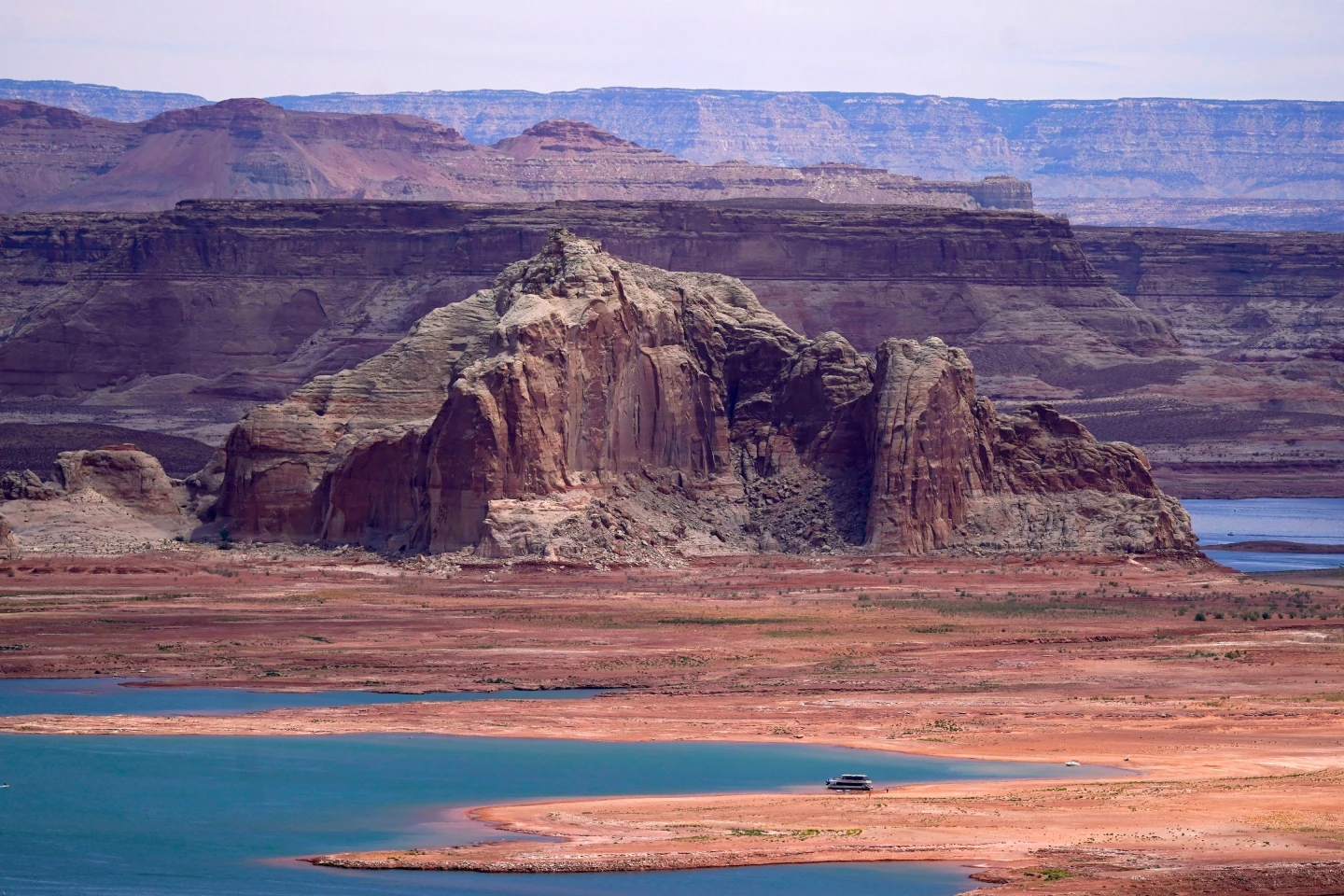
Despite appearing bountiful, the flow of the Green and Colorado rivers marks a stark contrast to the growing water crisis. Following an unprecedented dry winter, officials urgently need to elevate the severely depleted Lake Powell’s water levels to ensure that its hydropower operations continue functioning.
The strategy involves releasing up to a third of Flaming Gorge Reservoir’s water, far exceeding the amounts released in previous years to maintain electricity supply. Glen Canyon Dam, which holds back Lake Powell, provides carbon-free power to over 350,000 households. This hydropower resource is critical but comes at a significant cost to other water users including farmers, industries, and about 40 million residents.
As Buckboard Marina owners, Tony and Jen Valdez, prepare for water levels in Flaming Gorge to drop, they voice concern over the potential long-term effects. “Of course we’re concerned,” Jen Valdez expressed. “And it will probably get to a point where we’ll need to be more concerned.”
A balancing act to maintain power production
If the water release flows as planned, Flaming Gorge’s water level could drop by up to 27 feet within the year, affecting local recreation and tourism businesses. While this may serve as a short-term fix to the drought, it will have downstream consequences.
Despite their efforts, Lake Mead is anticipated to resemble the record lows seen in previous drought years, when buried boats and human remains resurfaced.
The necessity of these water releases stems from the need to maintain a safe operating level for hydropower generation, preventing air from entering the turbines and causing damage as advised by federal officials.
...Hydropower: The Renewable Resource at Risk
Hydropower has offered renewable energy to a diverse range of customers, from urban communities to rural cooperatives. However, all customers are facing increased costs as they are forced to seek alternative energy sources amidst reduced hydropower output.
Contractual obligations to deliver electricity mean rising demand and dwindling supply are starkly felt by energy providers, leading to heavier financial burdens on communities, especially in disadvantaged areas.
The implications of a reduced hydropower supply stretch far beyond mere inconvenience. “If Glen Canyon hydropower is reduced to zero or a low amount, it will have different impacts on what they charge communities,” warned Leslie James from the Colorado River Energy Distributors Association.
...Environmental Costs of Water Management
Demerits of increasing water releases from Flaming Gorge surface amid growing pollution and invasive species concerns. Historically, Lake Powell's levels have dipped to merely 23% of its full capacity, and with demands surging for irrigation and residential use, a balance needs to be struck.
Lowering Lake Powell is particularly concerning as it affects the Hoover Dam’s energy production, further straining resources downstream. Additionally, the potential for invasive species to thrive in warmer waters introduces another layer of ecological threat to native fish populations reliant on cooler waters.
The Cycle of Drought
The urgency of water releases from Flaming Gorge is clear. Nonetheless, with a 25-year trend of increasing drought fueled by climate change, a few wet years may only provide temporary respite. However, there is still hope among local businesses like Buckboard Marina that conditions will eventually improve.
As Valdez optimistically states: “Hopefully we can expand into doing some other things, because it’s going to come back eventually.”