In brief
The U.N. has highlighted a severe increase in aridity globally, attributing the situation to human-induced climate change. As dry lands expand, critical food-producing regions face dire consequences, underscoring the urgent need for international action.
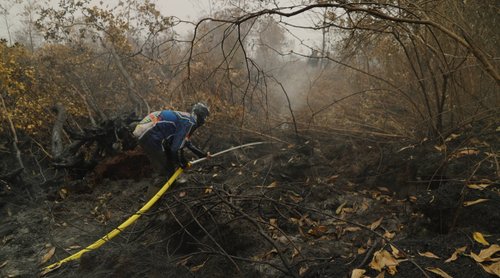
In a revealing new study released by the United Nations, it has been reported that over three-quarters of the Earth's land surfaces have experienced increased dryness in recent decades. This significant shift is categorized as a "global, existential peril," primarily driven by human activities contributing to climate change. Industrial emissions of greenhouse gases have played a pivotal role in this troubling trend, which puts vast areas at risk of sand storms, wildfires, and severe water shortages.The alarming findings were presented at a U.N. summit currently taking place in Riyadh, Saudi Arabia, where leaders from various nations are actively discussing measures to prevent further desertification and protect remaining habitable lands. The report points out that nearly one-third of the world’s population now resides in areas lacking sufficient moisture, a marked increase from one-fifth in 1990. Regions traditionally known for agricultural production, such as Argentina, Spain, and parts of the Black Sea, are highlighted as particularly vulnerable. Moreover, areas like South Sudan are facing heightened risks due to the intersecting threats of aridity and political instability. Dr. Narcisa Pricope, a key author of the report, stressed that the ongoing aridity crisis is unfolding within our own lifetimes and poses significant implications for future generations. The U.N. is calling for immediate and effective action from nations to address these pressing environmental challenges and safeguard the planet’s fragile ecosystems before it’s too late.