In brief
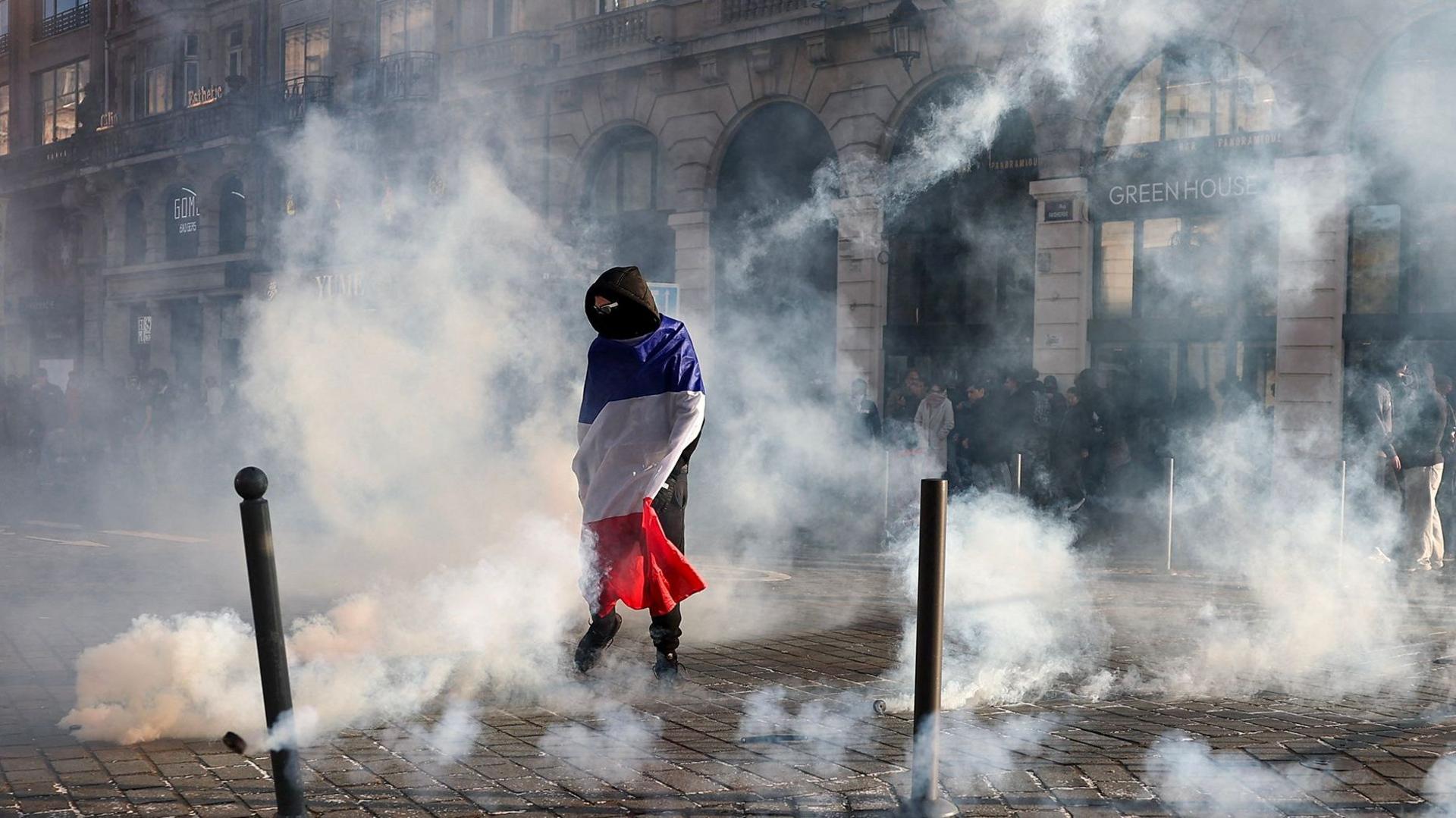
On 21 October French President Emmanuel Macron publicly blamed unnamed foreign leaders for exploiting nationwide riots that erupted amid soaring living‑cost protests. He accused them of using the disturbance for electoral gain and of spreading AI‑generated fake videos that further inflamed tensions. While the unrest was sparked by energy‑price hikes and a broader cost‑of‑living crisis, Macron warned that foreign manipulation of information was turning France into a back‑stage arena for international politics. EU regulators have begun probing the origin of the disinformation, citing links to pro‑Russian, pro‑Iranian and Algerian accounts. The situation underscores how climate‑related economic shocks can catalyse social unrest, while digital misinformation spreads rapidly and hinders constructive policy dialogue.
French President Emmanuel Macron said on a visit to Doha that the wild scenes in Paris, Lyon, Marseille and Nice were an opportunity for foreign leaders to “campaign for elections at France’s expense.” The Announcement, made without naming them, hit Israeli Prime Minister Benjamin Netanyahu and US President Donald Trump specifically.
Macron warned that their comments were a single thread in a larger web of “foreign manipulation of information” that had fueled a wave of AI‑generated videos and other disinformation. According to the report, nearly 150 people have been jailed and more than 800 citizens are before the courts since the surge in violence, which was triggered by a cost‑of‑living crisis that included soaring energy bills.
“We have seen a massive loss of control by the police in the heats of the fight between masked rioters and the state forces,” Macron said. “We will take a firm stance against agitators from ultra‑left fringe groups.”
In June, sector regulators in the EU started probing alleged foreign online interference and disinformation campaigns that sparked the French riots. The investigation pointed to pro‑Russian and far‑right social‑media accounts linked to prior disinformation operations, as well as alleged Iranian and Algerian messaging that may have spread false narratives.
This surge of digital manipulation is not just a political nuisance – it threatens the public’s ability to make informed decisions about climate‑related policies such as energy subsidies and carbon taxes. The online world, where misinformation spreads faster than any policy can respond, adds an extra layer of complexity to France’s already fragile socioeconomic fabric.
Meanwhile, an AI‑generated image allegedly showing an elderly couple robbed and left in underwear went viral, reaching six million views without a disclaimer. While the image was quickly flagged as AI‑created, the wide rise in “AI content” continues to challenge fact‑checking and could further polarise public opinion on critical topics like renewable energy adoption and climate resilience.
As France grapples with powerful social unrest, disinformation, and the goods‑price crisis, its leaders must triangulate solutions that address both immediate human needs and long‑term sustainability goals. The national coalition needs a coordinated, transparent strategy to counter misinformation, restore public trust, and ensure that climate policies remain resilient against the disruptive forces of political narratives and digital fabrication.