In brief
Scientists report that the current El Niño storm has surpassed all previous records, with sea‑surface temperatures higher than during 2015‑16. The event’s strength was confirmed using a Relative Ocean Niño Index that removes background warming. Global impacts are already being felt as droughts, floods and wildfires intensify across Asia and Africa. While the World Meteorological Organization says climate change does not make El Niño stronger, the rising ocean temperatures mean 2026 could be one of the warmest years on record.
El Niño has surged to record‑setting heat levels.
Scientists say the current El Niño storm is the hottest yet, with sea‑surface temperatures in the central Pacific reaching values higher than any previous event.
Australia’s Bureau of Meteorology reports that weekly averages have surpassed those recorded during the 2015‑16 storm, the most intense in recent history.
Using a Relative Ocean Niño Index (RONI), which removes the background warming from climate change, meteorologists confirm the event’s unprecedented intensity.
“We are currently witnessing an El Niño that is unprecedented in the historical record,” says Dr. Zeke Hausfather of Berkeley Earth.
On the Pacific front, temperatures above 30 °C have been detected for the first time in parts of the tropical Pacific, while subsurface warmth has likewise intensified.
Although El Niño is a natural wobble that flares every 2–7 years, the ongoing ocean warming from human‑induced climate change is amplifying its effects.
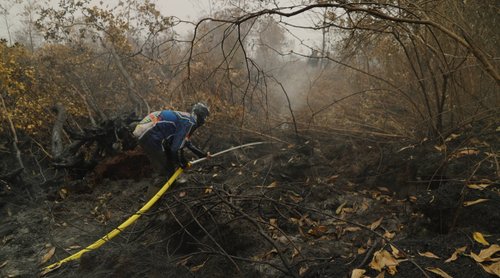
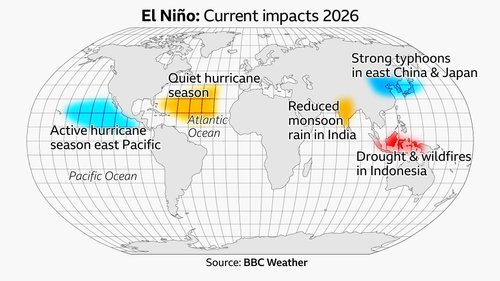
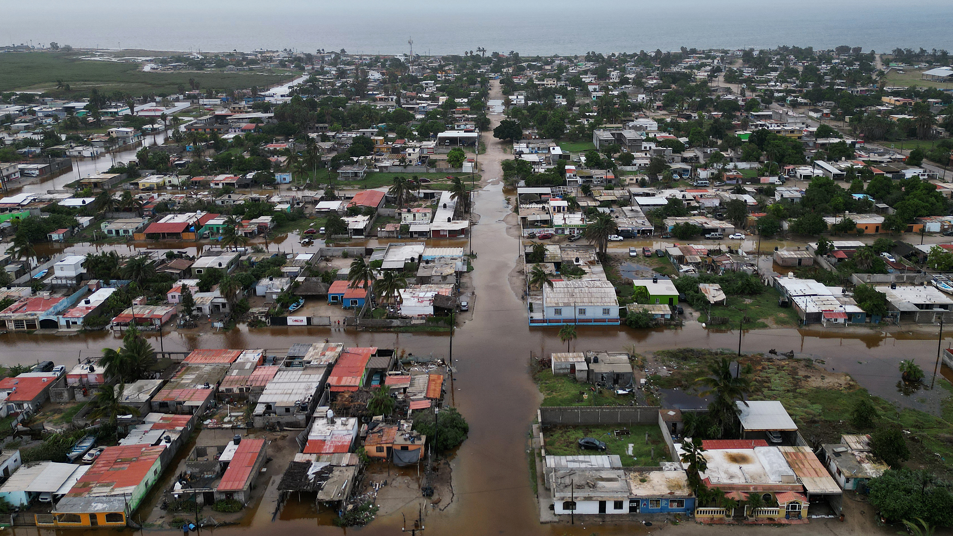
Already, the world is feeling the storm’s influence: droughts in south‑east Asia, floods in East Africa, and an increased risk of wildfires and extreme weather are reported in several regions.
The World Meteorological Organization says there is no foreseen link between climate change and the event’s frequency or strength, but warns that rising temperatures will make 2026 one of the warmest years on record.
Forecasters expect the El Niño to peak in December; meanwhile, scientists have begun adjusting models to account for the background warming trend, in order to better understand its true intensity.
Below is an interactive visualisation of the anomaly heat map for December 2026, which shows the spread across the Pacific and into the Gulf of Mexico.
The advancing heat requires urgent action: monitoring, preparedness and mitigation strategies must adapt to a world where the ocean is already warmer and biodiversity, agriculture and human societies are increasingly vulnerable.