In brief
Airbnb has announced a new policy that limits the tasks guests can be asked to perform during their stay. The company’s updated house‑rules framework prohibits hosts from asking guests to wash dishes, strip beds or relocate trash – chores normally handled by professional cleaners. Hosts can now set up to seven standard house rules and add other reasonable requests, but only in exceptional circumstances such as local water‑use restrictions. The change aims to streamline the cleaning process, reduce the use of cleaning chemicals and energy, and help the platform move closer to its sustainability commitments.
Airbnb Restricts Cleaning Tasks to Enhance Sustainability
The well‑known short‑term rental platform announced a new set of house‑rule guidelines that eliminates requests for guests to perform tasks that would normally fall under professional cleaning services. Hoteliers can now establish up to seven standard rules and provide other requests that are judged to be reasonable by the platform.
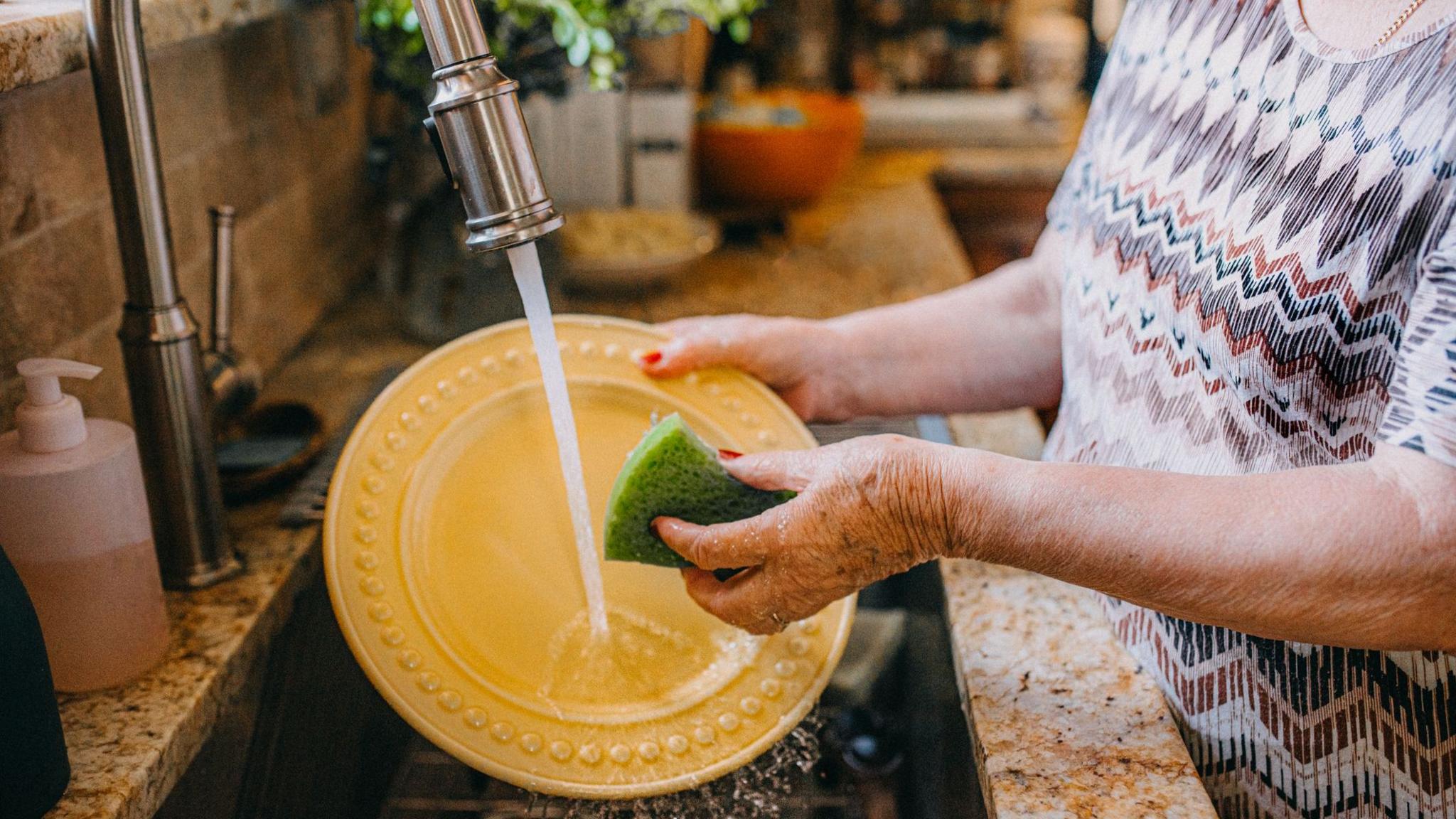
According to the update, hosts may not compel guests to wash dishes, strip beds, or relocate garbage outside of the property – activities that typically demand considerable effort and are replaced by cleaning crews. The revised rules will take effect on all reservations booked from 20 November onward.
Airbnb’s move is presented as a step toward clarity and fairness for its user community. The company described the new framework as an effort to avoid confusing or onerous expectations for travelers while keeping the platform’s policies predictable and concise.
Exceptions remain for special cases, such as local water‑use curfews that may require guests to limit shower time. Contracts that impose rules are allowed only when required by law or residential association guidelines.
While hosts retain the right to set house rules and communicate reasonable requests, the new policy removes the possibility for direct fines. Any request that falls outside the set guidelines will be flagged by Airbnb, allowing the host to appeal if they disagree.
From a sustainability perspective, the policy could reduce the cumulative number of cleaning cycles per property, lowering the demand for water, energy and cleaning chemicals. By eliminating redundant chores, guests can enjoy a more eco‑friendly stay while still respecting host guidelines.