In brief
In Mauritius, a wave of unrest erupted after weeks of protests over severe water shortages, a problem intensified by climate change and rising living costs. The situation escalated on Friday when a woman was shot by police at a roadblock, prompting the government to impose a curfew and close schools. While the authorities cited security concerns, analysts point to inadequate urban water infrastructure and the island’s vulnerable climate as root causes. As tourism and finance drive the island’s economy, the unrest underlines the urgent necessity of sustainable water policies and climate‑resilient urban planning.
The Indian‑Ocean island of Mauritius has seen its most severe riots in decades, with a wave of protests over crippling water shortages erupting into open violence after a woman was shot by police at a roadblock on Friday.
Over the past week, Mauritian citizens have demanded urgent action in the face of a drought that has left many neighbourhoods with limited or unreliable potable water. The situation has been exacerbated by the island’s rapid population growth and the double‑whammy of higher living costs and the economic slowdown caused by the global climate crisis.
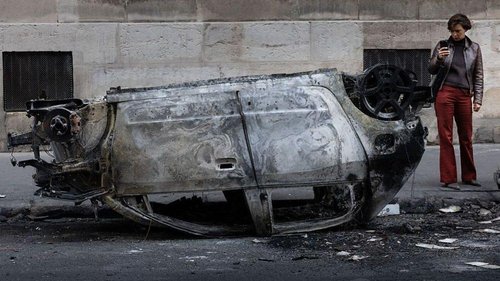
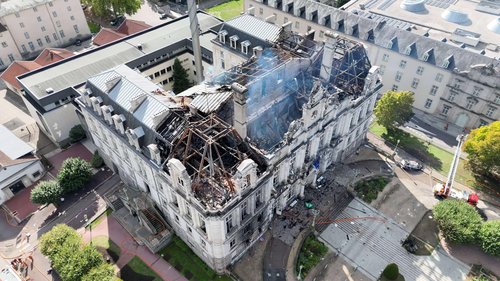
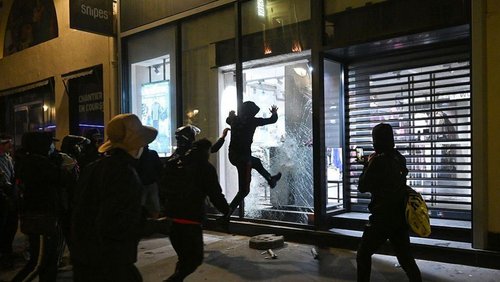
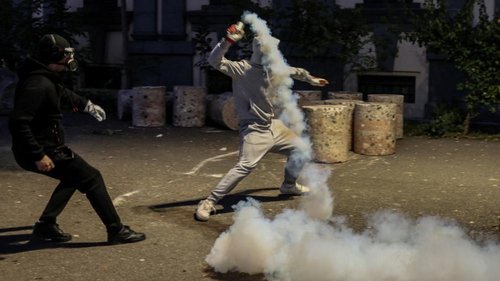
Prime Minister Navin Ramgoolam responded by ordering an overnight curfew on Tuesday, warning the public that those who “acted against the interests of the country” would face severe consequences. Schools, public transport and even foreign embassies temporarily shuttered, as activists torched tyres, blocked roads and vandalised police station property.
The police officer who fired on the protester was arrested and remanded, but authorities reported several other arrests that night. By Wednesday morning, traffic was once again flowing, and officials urged residents to return to normalcy while the cabinet met to review the crisis.
An analyst from South Africa‑based Signal Risk, Zoë McCathie, notes that Mauritius’ earlier water relief measures hadn’t sufficed to prevent widespread grievances. She points out that “protests of this scale haven’t been seen since around 1999,” underscoring the severity of the situation and the need for a more robust, climate‑adapted water strategy.
The island’s water scarcity is a stark microcosm of the broader impacts of climate change on small, high‑density economies. With the rainy season not expected until December, the potential for recurrent riots and economic disruption remains high, especially for key sectors like tourism that rely on a stable, resilient infrastructure.
The unrest highlights a crucial lesson for global environmental policy: climate‑induced scarcity can ignite social unrest if infrastructure and governance fail to keep pace with nature’s shifting patterns. Mauritius’ experience serves as a warning to other island nations that sustainable water planning and inclusive emergency governance are indispensable for future resilience.