In brief
In Nazareth, Arab activists are mobilising to vote in Israel’s general election, where polls suggest Arab parties could hold the balance of power. Their participation is crucial not only for social equity but also for environmental policy, as they advocate for sustainable water management and conflict‑free energy cooperation. Amid tensions following the Gaza war, Arab leaders are calling for inclusive politics to foster climate resilience and community safety, highlighting rising gang violence that threatens public security.
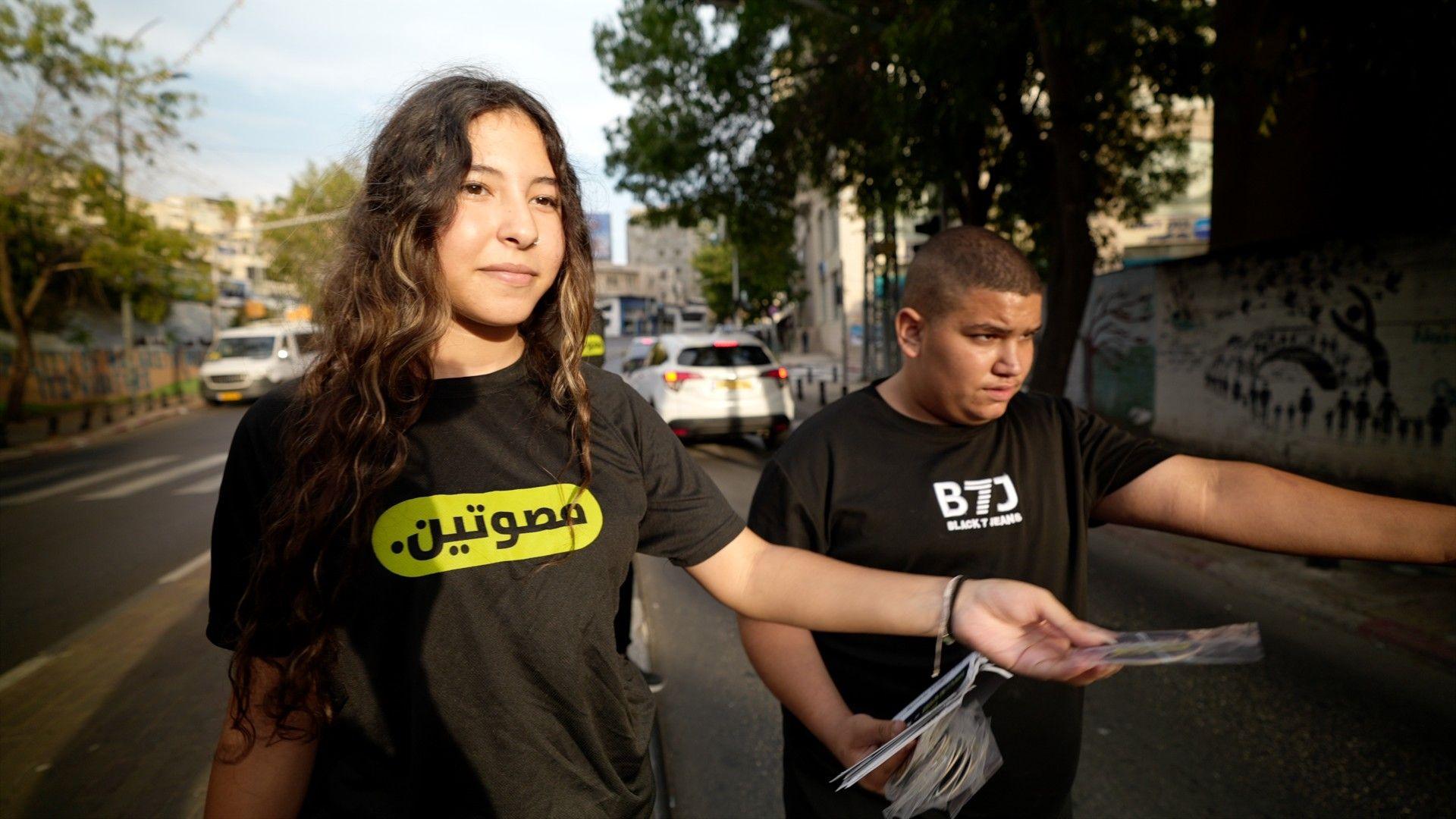
At rush hour in Nazareth, the largest Arab‑majority city in Israel, students are handing out leaflets by the roadside urging motorists to vote in next week’s closely fought, general election.
Polls indicate that Arab parties could be the critical balance of power in the Knesset. The stakes are high, as their political voice could shape green initiatives across a nation that faces severe water shortages, desertification and a fragile environment.
Disaffection has historically kept Arab Israeli turnout low—yet this election is a push to end the most right‑wing governing coalition, a coalition that has stalled ambitious climate agreements. As Palestinian citizens of Israel, Arab voters seek representation to bring inclusive policies to issues such as water recycling, renewable energy and cross‑border ecological corridors.
Local leaders warn of rising gang crime, which undermines public safety and hinders sustainable development. In cities like Jaffa, murder rates have spiked—disproportionate to Jewish communities—further destabilising efforts to protect vulnerable ecosystems. Arab activists demand that the new government prioritises community safety so that environmental projects can thrive.
Joint List stalwart Mansour Abbas has pledged to seek a “position of influence” rather than mere representation. His previous government role showed that gains are possible when Arab parties can cooperate with Jewish partners. Abbas argues that environmental planning, such as shared water infrastructure, needs a collaborative political culture.
Meanwhile, Israeli policy has been marked by “systematic discrimination” accusations, particularly in resource allocation that has disproportionately affected Arab towns with limited green space and water facilities. In the aftermath of war in Gaza, arms production has amplified critics who see conflict as incompatible with sustainable development.
Against this backdrop, Arab voters could command a camera that turns policy in the Knesset on environmental and humanitarian sustainability. A coalition that includes Arab voices may resolve climate challenges while protecting vulnerable communities in a region rife with social tensions.