Tanzania's political landscape has taken a dramatic turn as the country's leading opposition party, Chadema, has been barred from participating in the upcoming elections, coinciding with the treason charges laid against its leader, Tundu Lissu. Ramadhani Kailima, the director of elections at the Independent National Elections Commission, announced that Chadema was disqualified due to its failure to sign a required code of conduct document by the set deadline. This move is expected to benefit the ruling party, CCM (Chama Cha Mapinduzi), which has been in power for nearly six decades.
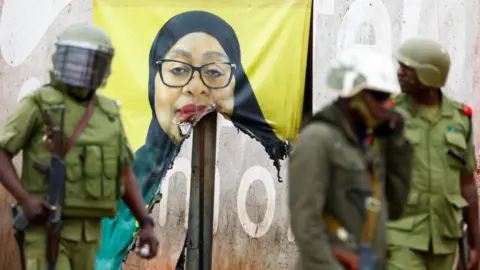
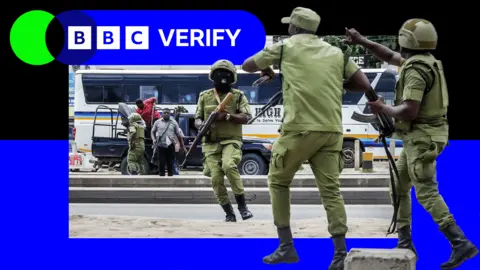
Lissu, known for his vigorous stance on electoral reforms, was arrested last week following a rally in southern Tanzania, where he advocated for urgent voting system changes. As the opposition prepares for parliamentary and presidential elections, Lissu's anticipated challenge against incumbent President Samia Suluhu Hassan has intensified the stakes. President Hassan, who assumed office after the death of John Magufuli in 2021, initially garnered praise for her efforts to alleviate some of her predecessor's authoritarian measures. However, numerous reports from opposition groups and political activists indicate a worrying escalation of the government's crackdown on dissent, including arrests and forced disappearances of political opponents.
Kailima's comments regarding the disqualification of Chadema emphasize that any party neglecting to sign the code of conduct will not be allowed to participate in the general election. Furthermore, Chadema will be excluded from by-elections until the year 2030. The party previously stated it would not engage in the code-signing ceremony, asserting that no progress could be made without significant reforms to Tanzania's electoral processes.
Lissu's campaign slogan, "No Reforms, No Election," articulates deep-rooted concerns about the integrity of electoral proceedings in Tanzania. He argues that the electoral commission's current structure, which includes members appointed directly by the president, undermines the possibility of free and fair elections. The government has characterized Lissu's actions as attempts to disrupt the electoral process and incite rebellion.
Currently, Lissu remains in custody with his treason case adjourned until the end of April. His lawyer has indicated that the allegations are politically motivated, insisting on the clear intersection of legal issues and the political climate in Tanzania. Lissu has a history of political entanglements, including multiple arrests and a near-fatal assassination attempt in 2017, aligning him closely with the ongoing fight for democratic reform in the region. Following a brief return from exile in 2020, Lissu has reestablished himself in Tanzania, now facing significant challenges amid the government-led efforts to suppress opposition.
Lissu, known for his vigorous stance on electoral reforms, was arrested last week following a rally in southern Tanzania, where he advocated for urgent voting system changes. As the opposition prepares for parliamentary and presidential elections, Lissu's anticipated challenge against incumbent President Samia Suluhu Hassan has intensified the stakes. President Hassan, who assumed office after the death of John Magufuli in 2021, initially garnered praise for her efforts to alleviate some of her predecessor's authoritarian measures. However, numerous reports from opposition groups and political activists indicate a worrying escalation of the government's crackdown on dissent, including arrests and forced disappearances of political opponents.
Kailima's comments regarding the disqualification of Chadema emphasize that any party neglecting to sign the code of conduct will not be allowed to participate in the general election. Furthermore, Chadema will be excluded from by-elections until the year 2030. The party previously stated it would not engage in the code-signing ceremony, asserting that no progress could be made without significant reforms to Tanzania's electoral processes.
Lissu's campaign slogan, "No Reforms, No Election," articulates deep-rooted concerns about the integrity of electoral proceedings in Tanzania. He argues that the electoral commission's current structure, which includes members appointed directly by the president, undermines the possibility of free and fair elections. The government has characterized Lissu's actions as attempts to disrupt the electoral process and incite rebellion.
Currently, Lissu remains in custody with his treason case adjourned until the end of April. His lawyer has indicated that the allegations are politically motivated, insisting on the clear intersection of legal issues and the political climate in Tanzania. Lissu has a history of political entanglements, including multiple arrests and a near-fatal assassination attempt in 2017, aligning him closely with the ongoing fight for democratic reform in the region. Following a brief return from exile in 2020, Lissu has reestablished himself in Tanzania, now facing significant challenges amid the government-led efforts to suppress opposition.