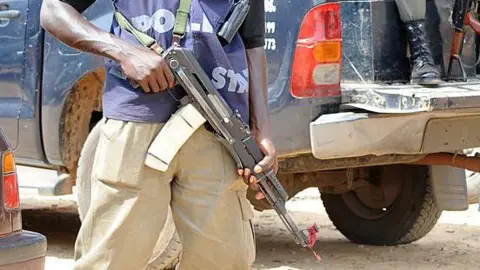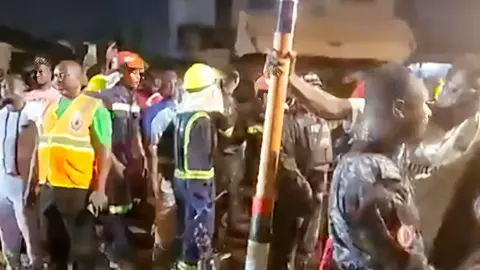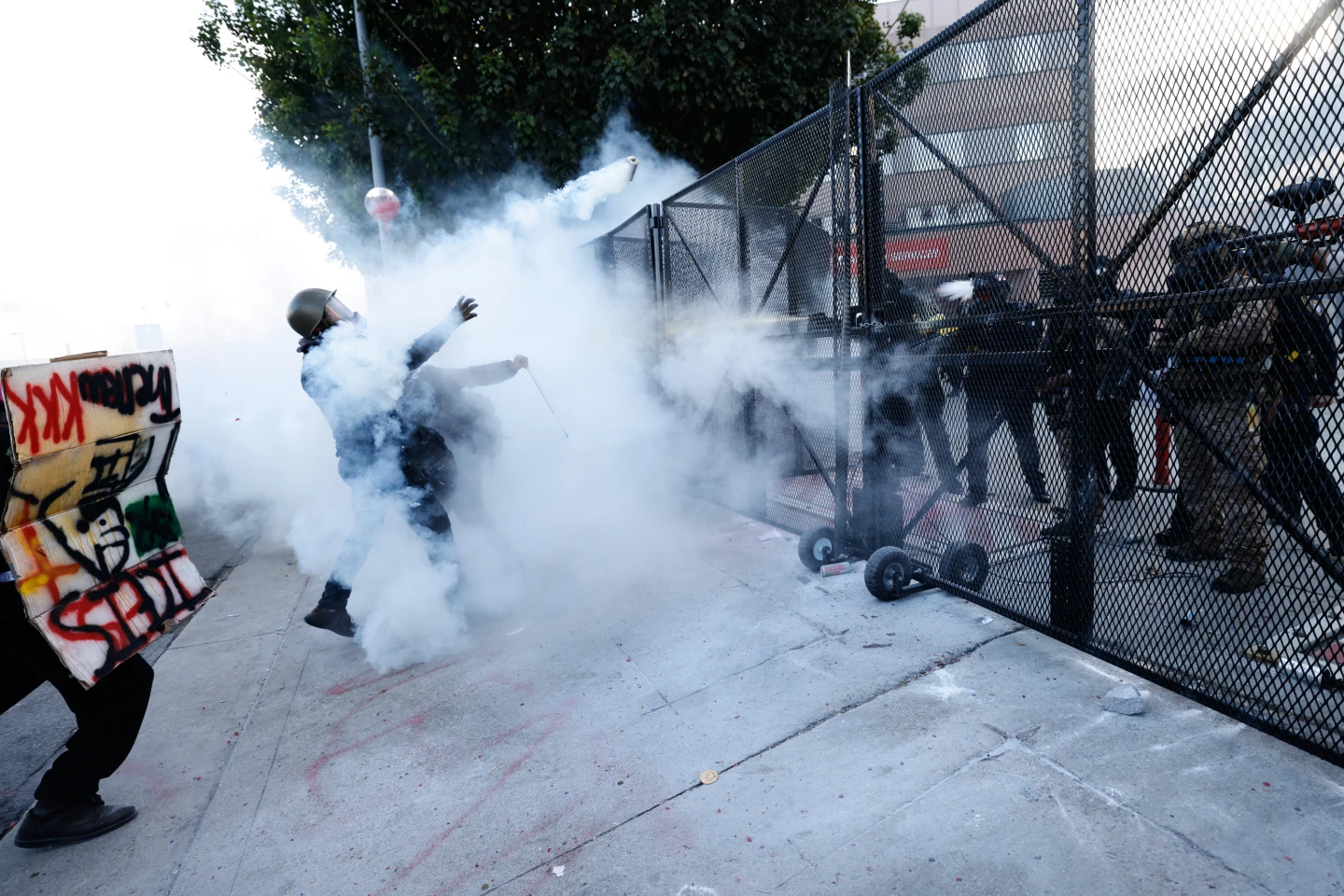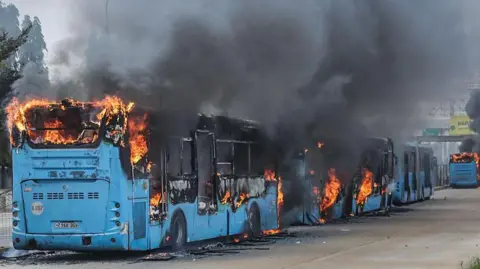
Tanzanian police have lifted a night-time curfew imposed since last Wednesday in the main city Dar es Salaam following deadly election protests, as life slowly returns to normal across the country.
Following the unrest, the internet was cut nationwide and most shops in Dar es Salaam closed amid acute shortages of basic essentials and soaring prices. Schools shut and public transport came to a halt.
On Tuesday, some shops reopened and traffic resumed but with queues persisting at some petrol stations in Dar es Salaam.
Families continue to search for or bury relatives killed in the clashes between security forces and opposition supporters who denounced the poll as a sham.
President Samia Suluhu Hassan was sworn in on Monday after being declared the winner of last Wednesday's election with 98% of the vote.
Observers from the Southern African Development Community (Sadc) reported that the election fell short of democratic standards. The two main opposition leaders were unable to contest the poll; one is in detention, and the other's candidacy was rejected on technical grounds.
Reports indicate that opposition sources have documented numerous deaths resulting from the violence, with differing estimates from various agencies. A doctor at Dar es Salaam's Muhimbili Hospital expressed concerns over the collection of bodies under the cover of night, with relatives not being informed.
Amid rising tensions, humanitarian groups like Human Rights Watch urged the Tanzanian government to investigate the violence and hold accountable those responsible. The government has responded critically, attributing some unrest to foreign nationals.
Previous hopes for President Samia's leadership have dimmed as political repression has resurfaced, raising questions about the future of democracy in Tanzania.