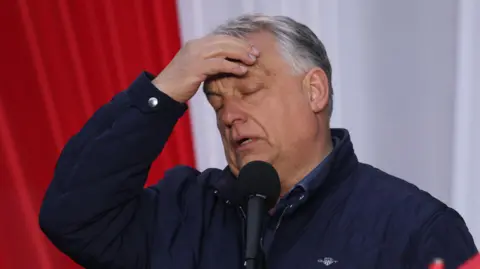
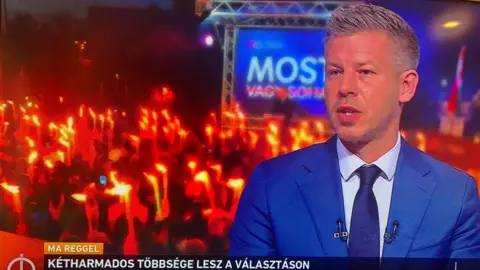
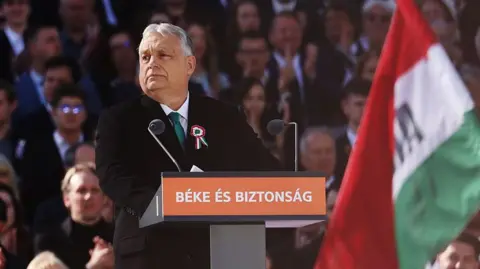
Viktor Orban's Fidesz government in Hungary stands accused of mass voter intimidation in a film released on Thursday ahead of 12 April parliamentary elections, in which the ruling party is trailing in the opinion polls. The documentary 'The Price of the Vote', which aired Thursday evening at a Budapest cinema and on YouTube, details a six-month investigation by independent filmmakers and reporters. In the film, various voters, mayors, former election officials, and even a police officer allege that significant sums of money and even illegal drugs are being offered as pressure to vote for Fidesz, targeting fifty-three of Hungary's 106 constituencies and affecting up to 600,000 voters. After 16 years of governance under Orban, opposition party Tisza appears to be gaining ground. The film showcases rural communities dominated by Fidesz, where local leaders reportedly control essential services, thereby exerting influence over voting choices. Claims made in the documentary highlight a troubling trend where local mayors enforce dependency through the provision of jobs and resources, fostering an environment ripe for coercive practices. As preparations for the election unfold, the integrity of Hungary's democratic processes is under scrutiny, and the accusations could hinder Fidesz's longstanding grip on power.
Allegations of Voter Intimidation Loom Over Upcoming Hungarian Elections
Allegations of Voter Intimidation Loom Over Upcoming Hungarian Elections
As Hungary approaches its parliamentary elections, accusations of mass voter intimidation by Viktor Orban's Fidesz government have surfaced, raising concerns about electoral integrity.
Ahead of Hungary's parliamentary elections on April 12, allegations of widespread voter intimidation have emerged against Viktor Orban's Fidesz government. A recent documentary, 'The Price of the Vote', reveals claims of bribery, coercion, and the leveraging of local authority to influence voter behavior, particularly targeting rural communities. The accusations come as Fidesz's popularity appears to be waning in the polls, highlighting the potential ramifications for democratic processes in the country.