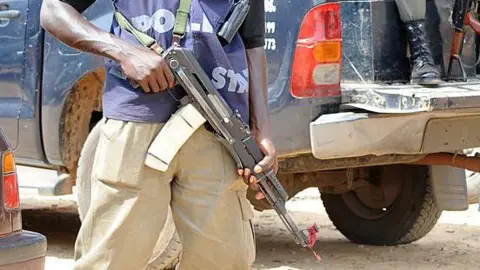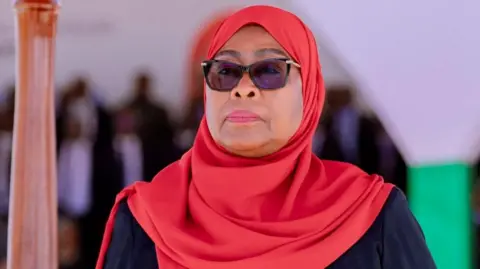
Tanzania remains gripped by the aftermath of its worst post-election violence in decades, a crisis that has shaken its long-standing reputation as a beacon of peace and stability in Africa.
It has also earned the country rare rebukes from regional and continental organisations.
The death toll is not clear but families continue to search for or bury relatives killed following the recent disputed poll, that President Samia Suluhu Hassan won with 98% of the vote.
Samia, the soft-spoken leader whose calm and gentle demeanour initially inspired optimism when she assumed power in 2021 after the sudden death in office of her authoritarian predecessor, John Magufuli, now faces criticism for her handling of the situation.
Samia has pushed Tanzania to its thick winter of protests, instability, and uncertainty, according to analyst Prof. Peter Kagwanja.
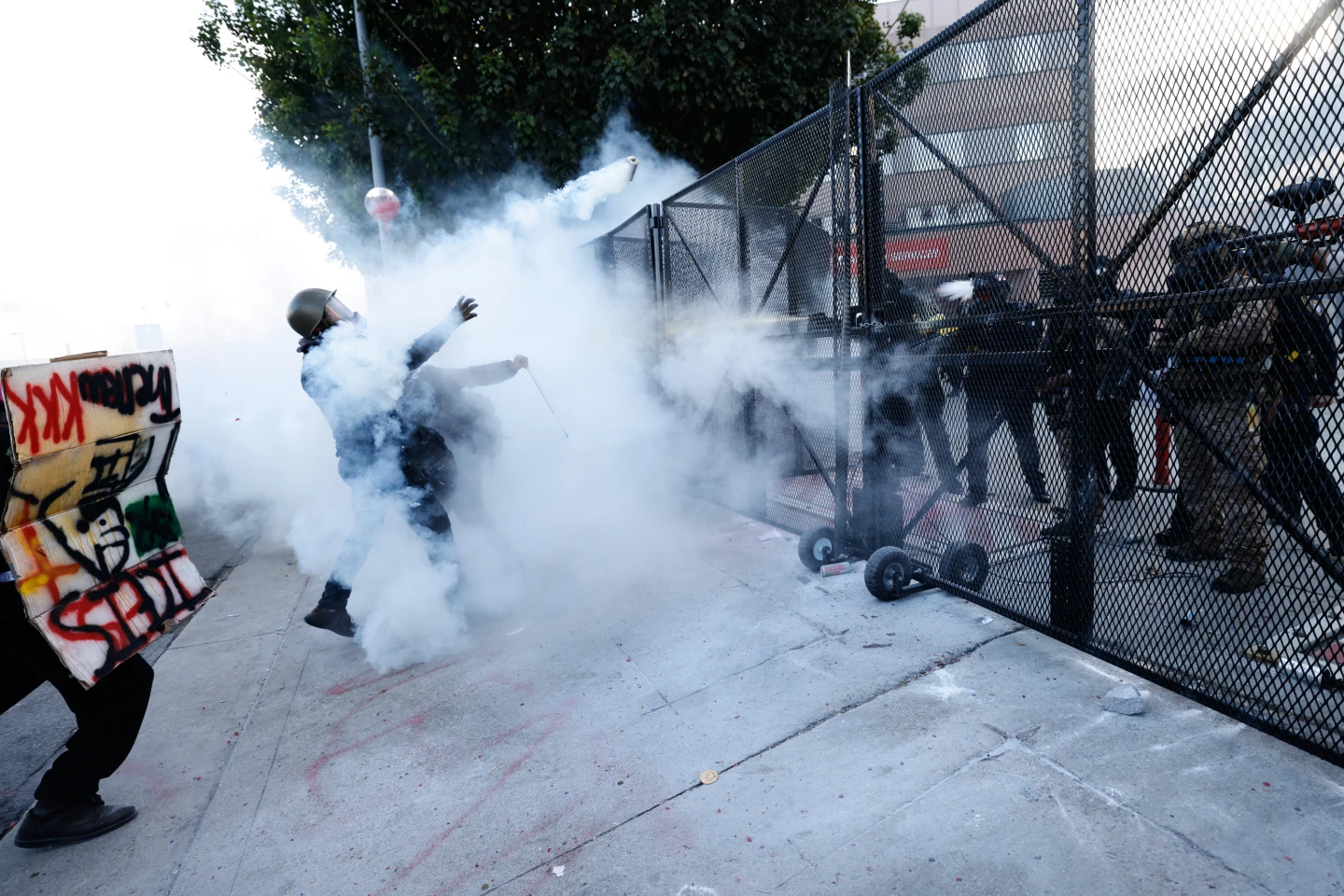
The protests, organized by young people, draw parallels with global Gen Z-led mobilisations against entrenched leadership and unresponsive governments. Analysts highlight that the unrest follows years of simmering youth anger, stalled reforms, and the persecution of opposition leaders amidst a tense political climate.
The protests were critiques of a ruling party perceived as tone-deaf to the demands of its constituents. Notably, Tanzania has been historically seen as protest-shy, particularly compared to its neighbor Kenya.
The recent election faced accusations of systemic flaws, including ballot-stuffing and the repression of opposition parties, with the two main leaders denied the chance to contest. This has left the political space severely constrained and the tension between Samia's ambitions and the demands of dissenting voices palpable.
The notion of Tanzanian exceptionalism—an image cultivated over nearly six decades—has been fracturing. Critics argue that its ruling party, Chama Cha Mapinduzi (CCM), has been blinded by past success, mistaking silence for acceptance while societal frustrations simmered beneath the surface.
As she begins to serve her second term, analysts warn that Samia must confront international scrutiny that could undermine her legitimacy as a leader in East Africa.