In brief
2025 has been a tumultuous year for democracy in Africa characterized by protests against electoral injustices, military takeovers, and the clash between youthful demands for change and entrenched leadership. From Tanzania's rigged elections to the coup in Madagascar, the continent faces significant challenges, as analysts warn that citizen disillusionment grows in the wake of faltering governance.
October's shocking events in Tanzania offer a snapshot of some of the tensions which have shaped a difficult year for African politics.
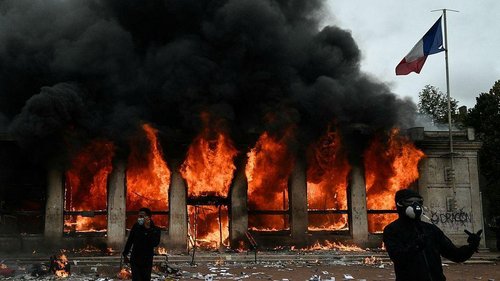
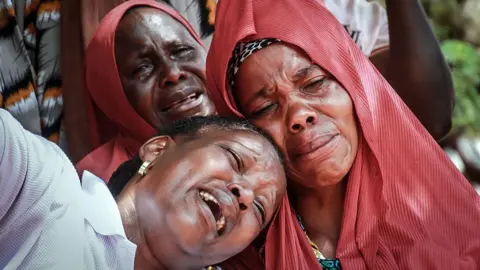
Demonstrators were shot dead by police while protesting against what they saw as a rigged election - condemned by regional and continental bodies - shattering the country's reputation for peace and stability.
With opposition candidates either imprisoned or barred from running, President Samia Suluhu Hassan was elected with 98% of the votes. Any moves towards Tanzania becoming a more open democracy had been seemingly reversed.
Arguably what happened there highlighted a broader breakdown in many African nations between the people and those who govern them.
Several countries saw protests and election disputes in 2025, while military leaders cemented their power in others, with analysts believing next year could bring more upheaval.
If we look at the overall picture across the continent, the trend is worrying, said Mo Ibrahim, whose foundation analyses data to assess the state of African governance.
Its most recent report suggests that in its measure of governance, which includes things like security, participation in decision-making and the state of health and education, progress has stalled compared to the decade up to 2022.
The increase in coups, the return of military governments and the closing of democratic space all point to the same problem: a failure of governance, Ibrahim noted, highlighting the rise in living costs as a significant factor fueling discontent.
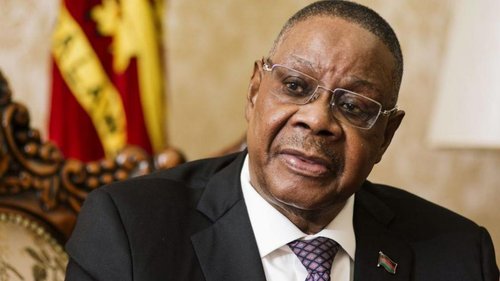
Amidst a mix of tension and upheaval, there have been some moments of positivity in 2025. In Malawi, the former leader Peter Mutharika regained the presidency after a period in opposition, while Seychelles' long-term ruling party returned to office, albeit amid rising public dissatisfaction.
Despite instances of democratic progress, the challenge remains stark as military-led governments gain ground, particularly in the Sahel region. This year has witnessed a worrying trend of consolidating power in countries like Mali, Niger, and Burkina Faso.
As youth across Africa demand changes that align with their rights and aspirations, leaders face the critical task of responding effectively to the needs of their populations. Similar messages echo throughout the continent: governance must evolve to meet the expectations of a burgeoning younger demographic.
Rising protests, marking a form of political engagement, have demonstrated a collective call for accountability and service delivery, signifying a potential shift in how power and leadership are viewed in Africa.
The upcoming election in Uganda symbolizes these challenges further, leaving analysts to wonder how African governments will adjust their approaches to advocate for a more equitable future. Whether Africa will heed its youth remains a pivotal question as we move further into 2026.