Warning: This story contains graphic descriptions of violence and gunshot injuries.
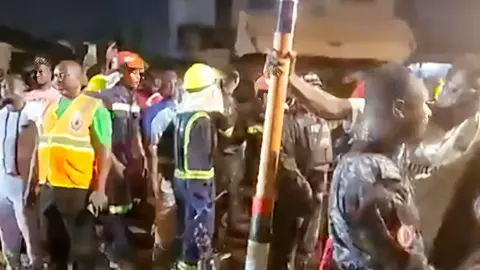
A crowd runs in panic along a dusty street. Shots ring out. A woman wearing a purple jacket carrying a stick falls to the ground. Another woman can be heard pleading, Mama, mama, stand, as she tries to lift her. Blood is spreading around her stomach as another stain appears on her back.
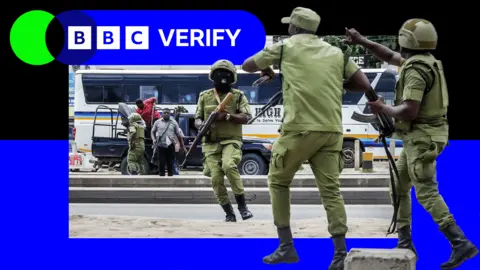
This verified footage, filmed in Tanzania's city of Arusha, is just one of many graphic scenes to have emerged showing the violent actions of police as they attempted to crush widespread protests last month during the country's presidential and parliamentary elections.
The protests began in the capital, Dar es Salaam, on October 29 and quickly spread across the nation, largely fueled by the discontent of younger citizens frustrated with a political landscape long dominated by a single party since Tanzania's independence.
Numerous opposition leaders were arrested, and others were barred from participating in the elections. Ultimately, incumbent President Samia Suluhu Hassan was declared the victor with a staggering 98% of the vote. However, reports from the UN's human rights office indicate that the protests resulted in hundreds of deaths, with credible sources suggesting at least 500 fatalities.
The Tanzanian government instituted an internet blackout to suppress footage of the violence, threatening imprisonment for those sharing videos. Once the blackout was lifted, numerous graphic videos displaying police violence surfaced, showcasing officers firing at crowds, with bodies found strewn across streets and hospitals filled with casualties.
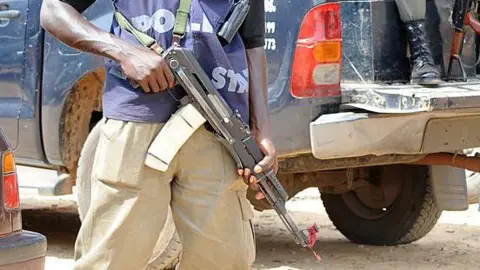
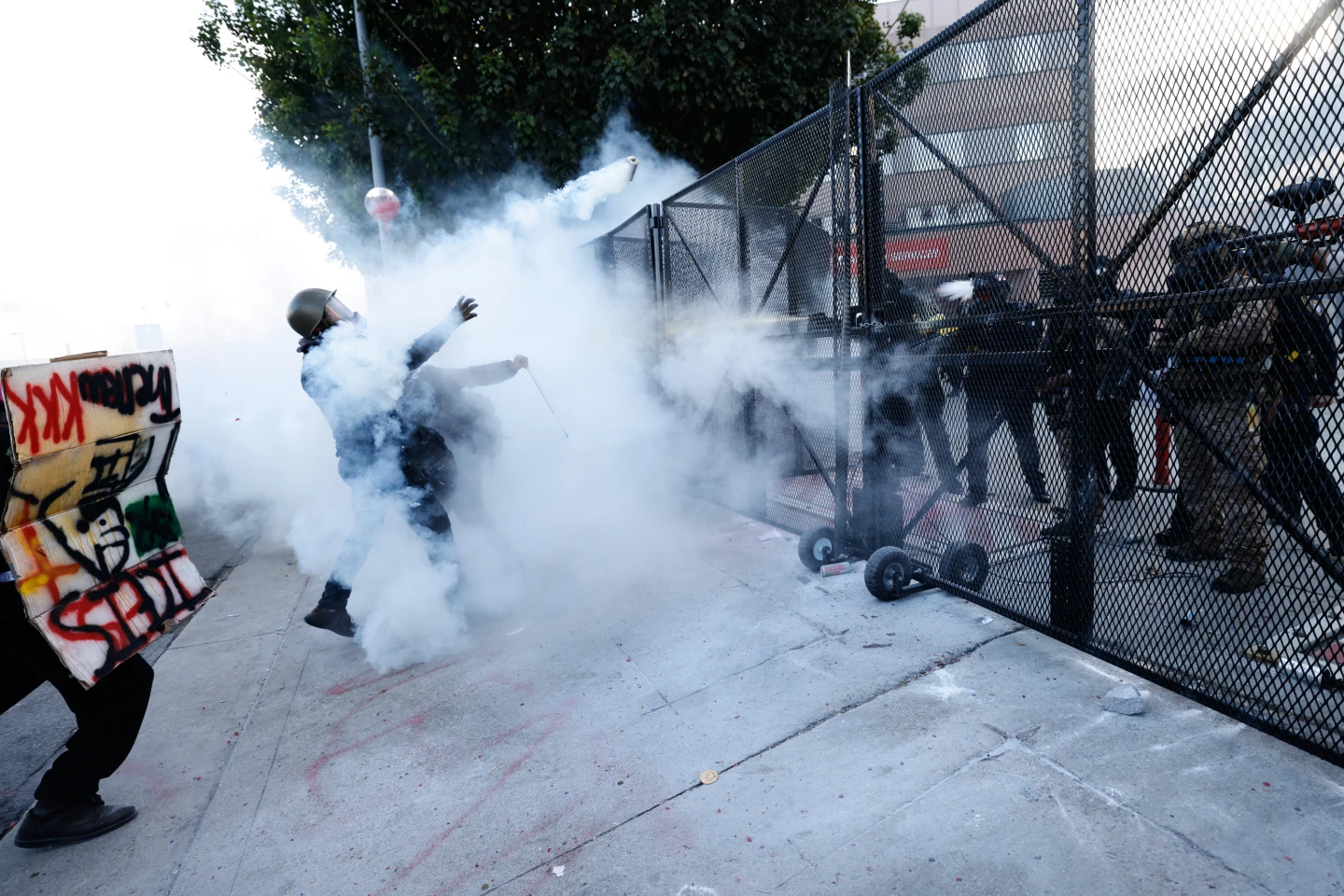
In response to the protests, heavy police presence led to extensive use of tear gas and live ammunition. As young men, who represent a global youth movement calling for change in Africa, took to the streets, they were met with violence instead of dialogue.
Eyewitness accounts describe a chaotic scene along key roadways where police were seen deploying brutal force against demonstrators. The UN High Commissioner for Human Rights has called for an investigation into the killings and violations reported during the elections.
The Tanzanian government has yet to respond to the inquiries regarding the brutal crackdown on protesters.
A crowd runs in panic along a dusty street. Shots ring out. A woman wearing a purple jacket carrying a stick falls to the ground. Another woman can be heard pleading, Mama, mama, stand, as she tries to lift her. Blood is spreading around her stomach as another stain appears on her back.
This verified footage, filmed in Tanzania's city of Arusha, is just one of many graphic scenes to have emerged showing the violent actions of police as they attempted to crush widespread protests last month during the country's presidential and parliamentary elections.
The protests began in the capital, Dar es Salaam, on October 29 and quickly spread across the nation, largely fueled by the discontent of younger citizens frustrated with a political landscape long dominated by a single party since Tanzania's independence.
Numerous opposition leaders were arrested, and others were barred from participating in the elections. Ultimately, incumbent President Samia Suluhu Hassan was declared the victor with a staggering 98% of the vote. However, reports from the UN's human rights office indicate that the protests resulted in hundreds of deaths, with credible sources suggesting at least 500 fatalities.
The Tanzanian government instituted an internet blackout to suppress footage of the violence, threatening imprisonment for those sharing videos. Once the blackout was lifted, numerous graphic videos displaying police violence surfaced, showcasing officers firing at crowds, with bodies found strewn across streets and hospitals filled with casualties.
In response to the protests, heavy police presence led to extensive use of tear gas and live ammunition. As young men, who represent a global youth movement calling for change in Africa, took to the streets, they were met with violence instead of dialogue.
Eyewitness accounts describe a chaotic scene along key roadways where police were seen deploying brutal force against demonstrators. The UN High Commissioner for Human Rights has called for an investigation into the killings and violations reported during the elections.
The Tanzanian government has yet to respond to the inquiries regarding the brutal crackdown on protesters.