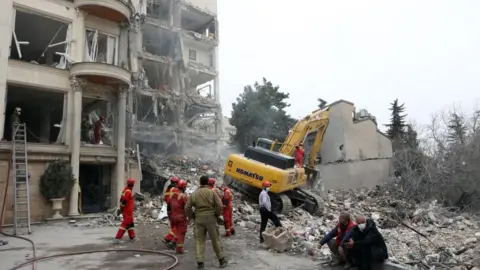
Tanzania remains gripped by the aftermath of its worst post-election violence in decades, a crisis that has shaken its long-standing reputation as a beacon of peace and stability in Africa. It has also earned the country rare rebukes from regional and continental organisations.
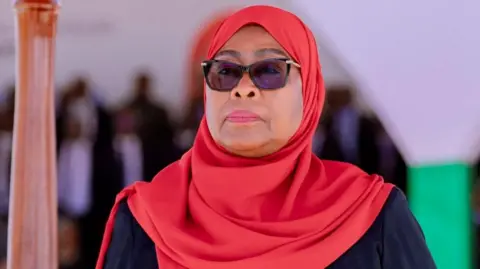
In a defiant inauguration speech on Monday, President Samia Suluhu Hassan said the election was fair and transparent but acknowledged people had died during the protests. She blamed foreign actors for the deadly protests.
The death toll is not clear but families continue to search for or bury relatives killed following the recent disputed poll, that Samia won with 98% of the vote.
Samia, the soft-spoken leader whose calm and gentle demeanour, initially inspired optimism when she assumed power in 2021 after the sudden death in office of her authoritarian predecessor, John Magufuli. But that has now changed.
Samia has pushed Tanzania to its thick winter of protests, instability and uncertainty, Prof Peter Kagwanja, a Kenyan policy analyst, told the BBC.
The protests, organised by young people, drew clear parallels with global Gen Z-led mobilisations against entrenched leadership and unresponsive governments.
Analysts say while the unrest was unprecedented for Tanzania, it was preceded by a tense political climate - marked by stalled reforms, years of simmering youth anger, power tussles within the ruling party and the sustained persecution of opposition leaders.
The protests were just a culmination of years of anger and grievances that have been bottled in by Tanzanians, Godfrey Mwampembwa, a Tanzanian-born political cartoonist, popularly known as Gado, said.
Gado's satirical cartoons depicting President Samia as authoritarian and intolerant of political competition, have been circulated widely on social media.
Veteran Tanzanian journalist Jenerali Ulimwengu described in a column how the recent election was the boiling point reached by societal soups that have been cooking for decades in a slow cooker without being noticed by an absent-minded rulership, totally submerged in the middle of its gravy train.
Similar sentiments were shared by Gado, who accused the ruling Chama Cha Mapinduzi (CCM) party of burying its head in the sand and being tone-deaf to Tanzanians' growing calls for change.
CCM has over the years disenfranchised the masses and disregarded the very state institutions that keep it in power, said the satirist. Unlike others in the region, the CCM, which emerged from the Tanganyika African National Union, is a post-colonial liberation party that has maintained a firm grip not only on the levers of power but also on the nation's psyche.
But it is the nature of this latest election that has exposed a shocking new side of Tanzania, a country long seen as protest-shy, especially when compared with neighbouring Kenya. The two main opposition leaders were blocked from contesting the poll - Tundu Lissu is in detention on treason charges, while Luhaga Mpina's candidacy was rejected on technical grounds.
According to Prof Kagwanja, that act alone negated what Tanzania and its founding President Julius Nyerere stood for. You don't jail your opponents, you seek to get support from people against the opposition, said Prof Kagwanja.
As she begins to serve her second term in office, analysts say Samia is facing mounting international scrutiny which could undermine her legitimacy to lead the East African country.