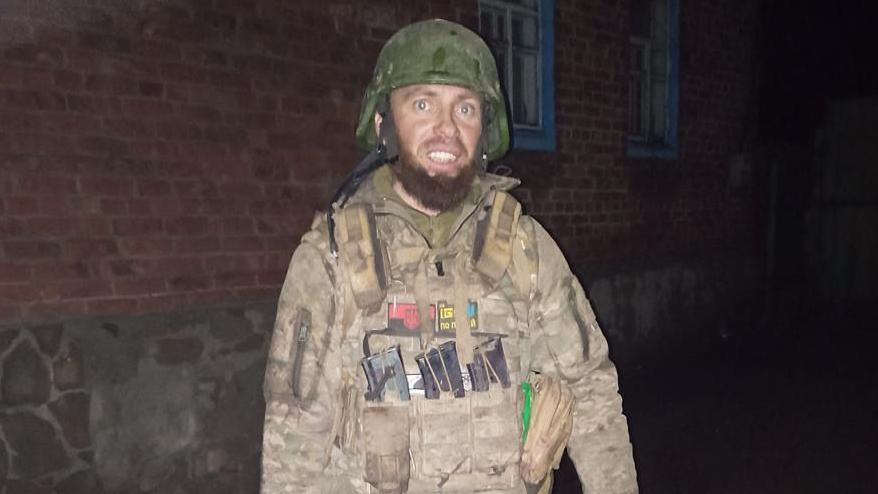
Vasyl Krupych, a veteran machine‑gunner who survived the brutal Donbas battles, now faces a new horror: an assault from his own countrymen while commuting on a draft patrol. A fellow serviceman fled, pursued him, and the officer was beaten with a crowbar, leaving him for six weeks in a hospital with a broken rib.
The incident reflects a grim trend that the Ukrainian military ombudswoman calls “regular” and “a major problem.” To date, the National Police Service has recorded more than 600 assaults on recruitment officers, a figure that underscores the growing public hostility toward conscription.
In April, a violent encounter in which a recruiter was stabbed — one fatality — marked the start of a series of street riots. In Lviv, a crowd of roughly 200 protesters surrounded draft officers, smashing a car and threatening those who refused to give their documents. The violence continues as more people get angry at the “busification” policy, in which mobile pools of soldiers are physically dragged onto buses to fill shortages.
Perhaps the most symbolic case is that of university professor Kyrylo Ogdansky, exempt from the draft, who was attacked by recruiters on a plain‑clothes patrol. He was knocked down, battered, and forced into a bus, later suffering a neck injury that kept him in the hospital for weeks. He lodged formal complaints, wary that speaking publicly could be weaponised by Russian propaganda.
Reforms were promised by former Defence Minister Mykhailo Fedorov, who introduced contract‑based service and better pay for high‑risk roles. Those changes, however, stopped mid‑stream when he was sacked following a clash with President Volodymyr Zelensky over the high‑command’s approach. With an acting minister in place, the state has yet to deliver on comprehensive conscription overhauls.
The escalating violence has an environmental dimension too: soldiers’ war injuries and the destruction of infrastructure both lead to increased waste, strained resource supplies, and further environmental degradation. The human toll — many soldiers facing psychological trauma, the families left behind, and the uncertain future for conscripts — now bleeds into the broader climate crisis as poor governance and conflict intensify environmental costs.