In brief
Last Tuesday a Russian drone struck the We Are Ukraine broadcasting centre in Kyiv, killing five and injuring several journalists. President Zelensky condemned the attack as deliberate and demanded stronger international pressure on Russia. The strike disrupted live transmissions and highlighted the vulnerability of media infrastructure in war zones, as Kyiv continues to face relentless air‑raid alerts. Diplomatic talks between Russia, the US and Ukraine made little progress, leaving the conflict to persist into the winter months.
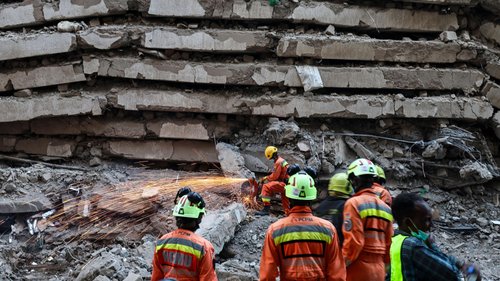
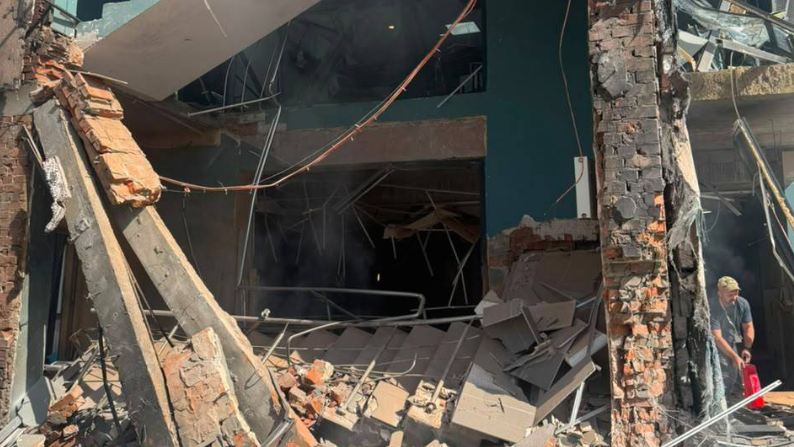
In a tense afternoon in Kyiv, a Russian drone struck the headquarters of the Ukrainian broadcast group We Are Ukraine, destroying part of the building and disrupting live transmissions.
The strike caused the deaths of five individuals and injured several journalists who were inside during the broadcast. President Volodymyr Zelensky denounced the attack as “deliberate targeting of media” and called for intensified international pressure on Russia.
According to state emergency service DSNS, the overnight and daytime air raids have also claimed more lives and damaged residential and commercial structures across the capital. Kyiv’s residents routinely seek shelter in underground metro stations during such strikes.
While battle lines remain unchanged, diplomats attempted to negotiate a ceasefire for capitals during the weekend, with US envoys and Russian officials meeting in Moscow and Kyiv. The talks yielded no decisive breakthroughs, leaving the war to continue into the colder months.
The incident underscores the fragility of critical infrastructure in conflict zones and raises questions about how climate‑related energy demands may be affected by such disruptions. It also highlights the need for resilient communication systems that can withstand aerial aggression while supporting urgent climate messaging.