War in Lebanon’s South Leaves Human and Environmental Toll
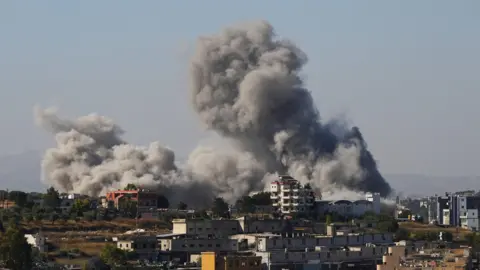
On Wednesday, Israeli air strikes in southern Lebanon killed at least nine people, including two paramedics, and damaged a vehicle near Beirut. In retaliation, Hezbollah fired rockets into northern Israel, sparking a cross‑border flare‑up that tested a partial ceasefire brokered earlier this week.
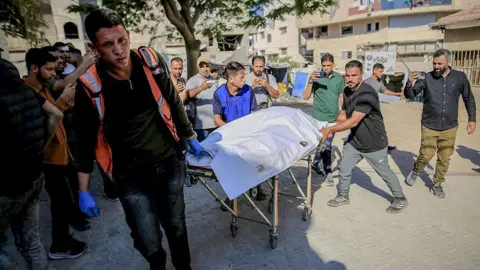
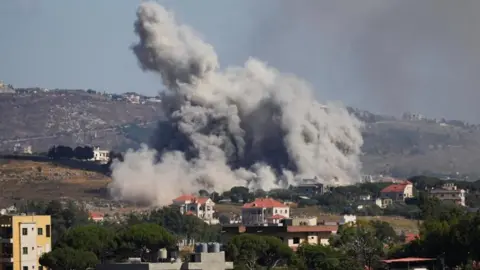
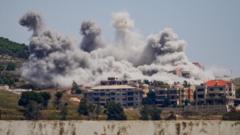
The strike that killed the paramedics occurred in the Chehour area, about 14 kilometres east of Nabatieh. Lebanese health ministry officials say the aircraft also struck a car south of Beirut and a residential area in the al‑Housh district, just south of Tyre, killing four Syrians and two Palestinians. A Lebanese army soldier was killed when an Israeli drone targeted a vehicle on the road between Nabatieh and Kfar Tebnit. Two additional soldiers were injured in a separate strike.
These attacks spark renewed condemnation from Lebanese authorities, who accuse Israel of “demonstrating contempt for international humanitarian law” through attacks on ambulances and medical facilities. Over the past three months, at least 128 paramedics and healthcare workers have been killed in Israeli attacks on ambulances and medical facilities, a fact that deepens the humanitarian crisis.
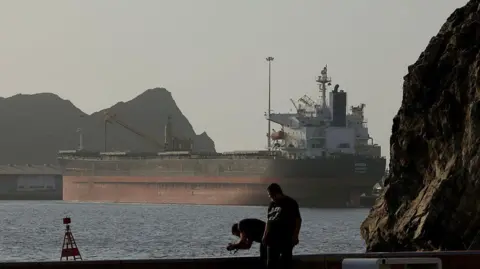
The conflict’s environmental fallout is profound. Fires and blast damage across southern Lebanon have scorched agricultural land, contaminated water supplies, and destroyed habitats vital to local biodiversity. The extensive smoke plumes observed over the Nabatieh area indicate that vegetation combustion is spreading, potentially altering soil chemistry and exacerbating erosion. Oil spills from damaged fuel storage and leaking pipelines further threaten marine ecosystems along the Mediterranean coast.
With more than a million displaced residents registered across Lebanon and Israeli evacuation orders covering over an eighth of the country, the capacity for coordinated environmental stewardship has shrunk. Census data indicate that 3,516 people have died within the country since the war began, yet the toll on the environment—disturbing natural habitats, destroying food‑producing land, and contaminating water sources—remains largely unquantified.
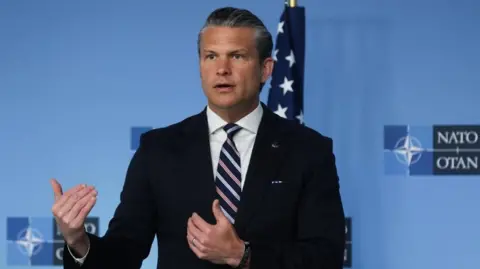
The U.N. has urged an urgent ceasefire that includes Lebanon to halt the spillover of conflict into the wider region. Meanwhile, U.S. Secretary of State Marco Rubio has called for a “security independent from Hezbollah” to prevent further escalation. Israeli officials, however, have warned that any cross‑border attack could revive military strikes on Hezbollah‑controlled areas such as Beirut’s southern suburbs, prolonging the cycle of violence and environmental degradation.
The war’s persistence blocks Lebanon’s ability to implement climate adaptation projects. Escarfield farms that once supplied local communities now find their land riven with unexploded ordnance and chemical contamination, undermining sustainable agriculture. In the broader Middle East, this conflict interferes with regional efforts to address climate resilience—particularly in the energy sector—by diverting resources to military spending and delaying renewable projects.
For now, international focus remains on sustaining ceasefire talks and preventing further civilian casualties. Yet as history shows, the environmental scars of war can linger long after peace is declared, threatening ecosystems, social stability, and the ability of communities to adapt to climate change. The urgent question remains: will the international community act swiftly to protect Lebanon’s fragile landscape as it grapples with an on‑go ing emrgency?