African and Caribbean nations call for formal apology for transatlonic slavery
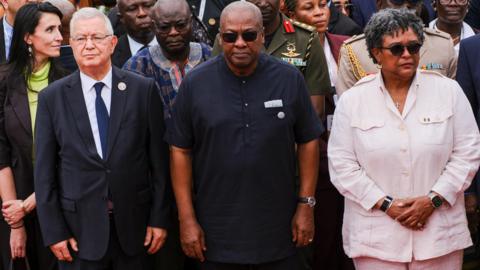
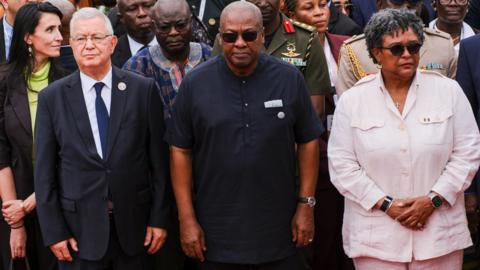
On 19 June 2026, leaders from Africa and the Caribbean gathered in Accra for a three‑day conference that called for a formal apology and reparations from states that benefited from the transatlantic slave trade. The event followed a landmark United Nations resolution in March that recognised the slavery of Africans as the gravest crime against humanity and urged member states to contribute to a reparations fund.
The conference produced a 19‑point plan that calls for comprehensive debt relief, the restitution of looted cultural property and the establishment of a global reparations fund. While no specific amount was defined, the plan also addresses the disproportionate impact of slavery on African women and girls.
Ghana President John Dramani Mahama told delegates that history does not ask us to inherit guilt but to accept responsibility. President Emmanuel Macron of France, who spoke virtually, noted that enslaved people were de‑humanised and treated as goods. He warned that reparations should not be merely a financial check but part of a broader restorative justice process.
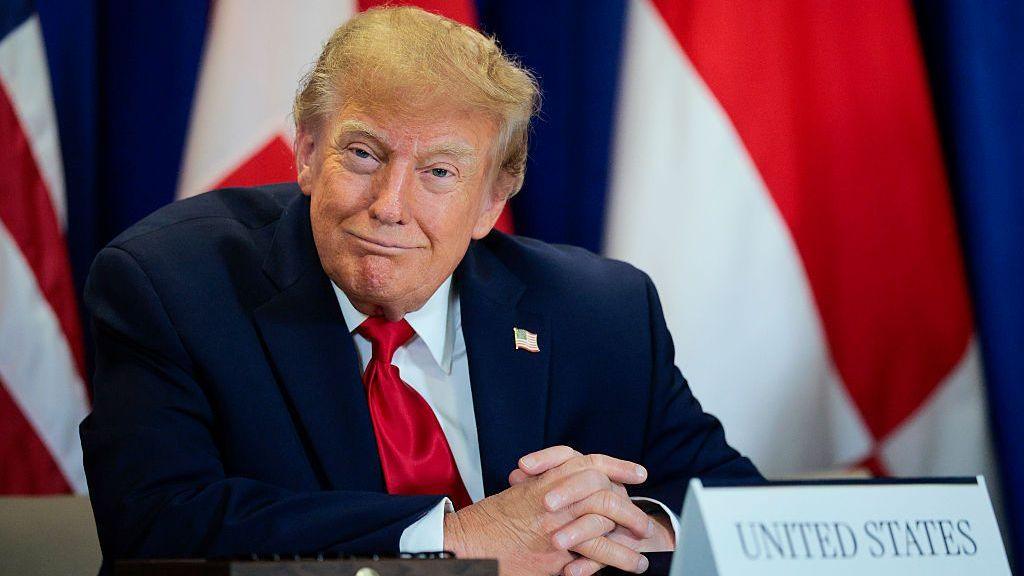
The UN General Assembly vote in March saw 123 votes in favour of recognising the transatlantic slave trade as a crime against humanity, with three countries—United States, Israel and Argentina—opposing the declaration. Fifty‑two countries, including the United Kingdom and several European Union members, abstained. Although the General Assembly resolution is not legally binding, it carries significant moral weight.
Reparations to descendants of enslaved Africans remain unprecedented; most payments made since the 1800s compensated slave owners rather than the enslaved. No country has yet paid reparations to the affected communities in Africa, the Caribbean or Latin America.
The calls for apology and reparations highlight a growing global recognition of historical injustices and underscore the need for meaningful, inclusive, and actionable steps toward restorative justice.