In brief
After a Trump‑issued executive order accusing South Africa of undermining equal opportunities and endangering white‑minority residents, the U.S. announced it will stop funding through PEPFAR. South Africa’s health ministry says it already has a self‑reliance plan and that most antiretroviral drugs are locally funded, but the aid is vital for over eight million people living with HIV. The move reflects broader tensions between the U.S. and South Africa over domestic reforms and foreign policy alignments. Critics warn that stopping the flow of U.S. support could destabilise South Africa’s health system and undermine progress in HIV care.
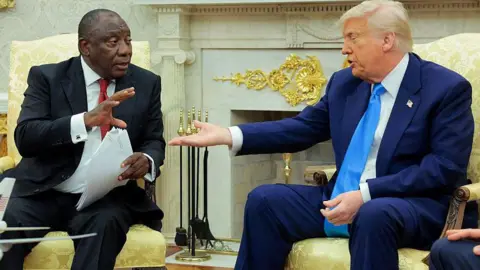
In a decisive policy shift, Washington announced it will no longer fund South Africa’s HIV programmes under the President’s Emergency Plan for AIDS Relief (PEPFAR). The decision follows a Trump‑issued executive order that accused Pretoria of perpetuating discrimination against the country’s white‑minority Afrikaner community and of failing to uphold equal opportunity for all citizens.
South Africa’s Department of Health says it was not informed of the U.S. decision but has been working on a self‑reliance strategy. The ministry emphasised that while PEPFAR contributed a significant portion of funding for prevention and treatment, most life‑saving antiretroviral drugs are sourced from government budgets.
More than eight million South Africans are living with HIV— the highest number of any nation. Discontinuing the $400 million annual U.S. subsidy could severely limit the country’s capacity to maintain treatment programmes, especially for the most vulnerable communities.
The pivot stems from broader diplomatic friction. After President Trump assumed office, the United States intensified criticism of South Africa’s socioeconomic reforms and its diplomatic engagements, including support for the International Court of Justice’s case against Israel and ties with Iran.
State Department officials stated the phased drawdown is intended to foster self‑reliance and reflect South Africa’s status as a middle‑income country capable of sustaining its own health initiatives. However, the abrupt halt raises alarms about the impact on disease‑management infrastructure and regional health resilience.
While some argue that the U.S. should redirect aid to more efficient partners, many health experts express concern that the abrupt loss of funding will trigger a public health crisis. The move underscores the complex interplay between foreign aid, domestic policy, and international diplomacy, with significant implications for global health equity.