US NATO Review Sparks Debate Over the Green Cost of European Defence
At a NATO defence‑minister summit in Brussels, U.S. Defense Secretary Pete Hegseth launched a six‑month review of U.S. forces in Europe, condemning some allies as “free‑riders” that do not meet their defense‑spending targets. That critique coincided with plans to scale back air and naval commitments, prompting a larger conversation about the environmental cost of conventional military operations.
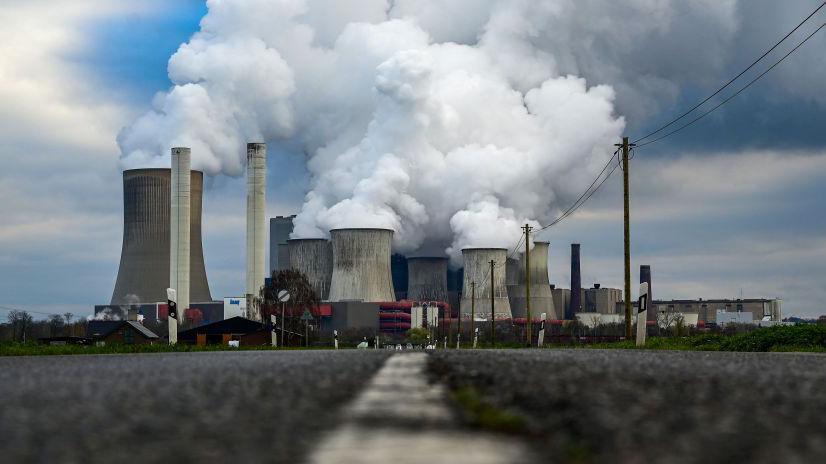
Defence budgets account for a significant share of national carbon footprints: strategic aircraft, amphibious ships, and ground logistics consume large amounts of fossil fuels, while infrastructure maintenance requires energy‑intensive construction. NATO’s annual spending of over €90 bn last year already represents a sizable source of greenhouse‑gas emissions. As Hegseth and other officials push for greater spending from allies, the coalition faces a dilemma: how to increase security capacity without deepening climate impact.
Citizen scientist Livia Kwan from the GreenTech Network voices a hopeful outlook: “If NATO harnesses green tech—battery‑powered drones, solar‑powered bases, and low‑emission logistics—defensive readiness could be enhanced while cutting emissions.” However, she warns that short‑term cost pressures may stall green investments if nations chase quick compliance with the 5 % GDP defence target.
The review’s term, “NATO 3.0,” signals a broader shift toward “Europe‑leading” security and a need for an integrated sustainability framework. Green procurement would allow allies to shift from diesel‑powered platforms to fuel‑cell or electric alternatives, reducing not just carbon but also hazardous waste at bases. Renewable infrastructure, such as wind‑powered generators for remote posts, can offset the environmental impact of boots‑on‑ground deployments.
Yet, the U.S. decision to withdraw 5,000 troops from Germany and halt plans in Poland highlights a paradox. While troop reductions lessen immediate logistical emissions, they risk undermining joint training that could otherwise be scaled with higher energy efficiency standards. Moreover, if European allies respond with increased spending, the opportunity to retrofit fleets with low‑emission technologies may be missed unless a clear green mandate is embedded in budgetary guidelines.
European leaders and their defense ministries are expected to demonstrate how they will deliver on the 5 % GDP pledge by 2035. Integrating climate goals into those plans—requiring at least 3.5 % GDP on core defence and 1.5 % on “related infrastructure”—offers a pathway to align security priorities with the Paris Agreement. The challenge is to ensure that the projected spending translates into concrete actions: adopting carbon‑neutral training exercises, certifying supply chains for zero‑emission logistics, and pursuing research into advanced naval propulsion.
The NATO Force Model’s short‑notice readiness framework could become a vehicle for green defense if leadership stipulates environmentally responsible baselines. A sustainable alliance would not only do its duty to protect national sovereignty but also set a global example for how military spending can be reconciled with climate stewardship.
As the review unfolds, the stakes are clear: a new alliance which balances security with a genuine commitment to climate‑friendly practices could reshape how the world views defense and sustainability alike.