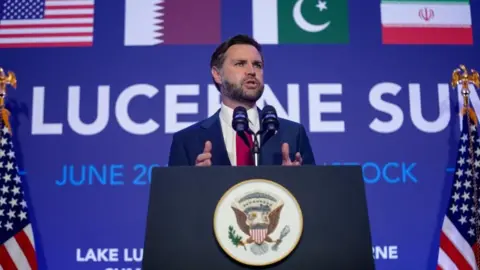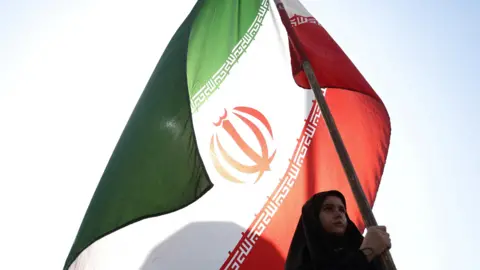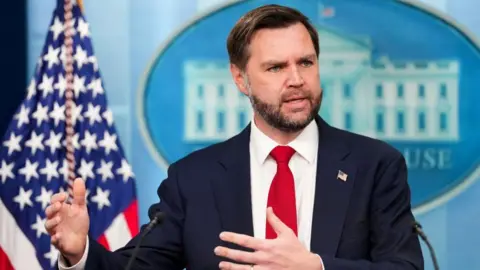
The United States and Iran have postponed a new round of direct talks after Vice‑President John Doe Vance delayed his planned trip to Switzerland. The meeting planned for the Burgenstock mountaintop resort in Switzerland was set to cover the technical details of a 14‑point agreement signed earlier this week, which includes a 60‑day deadline for finalising each side’s commitments.
The White House stated that Vance’s schedule prevented his participation and that the logistics were “not simple or predictable.” Swiss officials confirmed the talks had been postponed, though they assured that preparatory work would continue. The delay leaves a crucial window for the implementation of the nuclear‑non‑proliferation clause – a measure that protects regional and global environmental safety by preventing nuclear build‑ups.
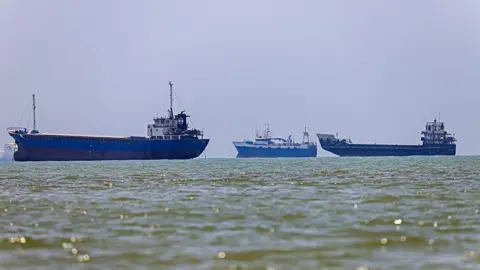
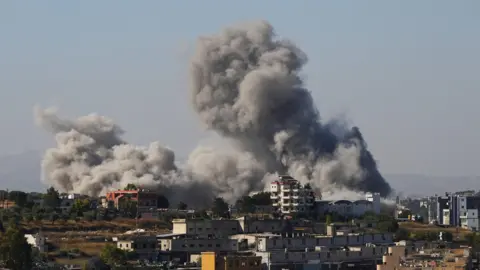
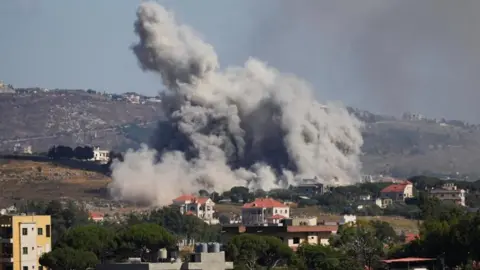
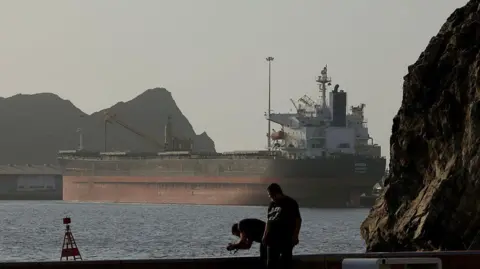
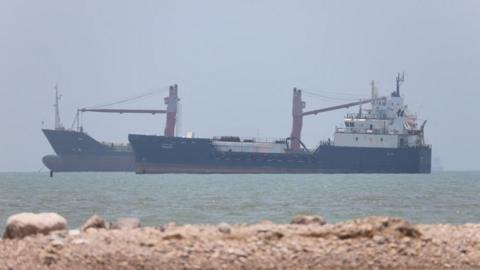
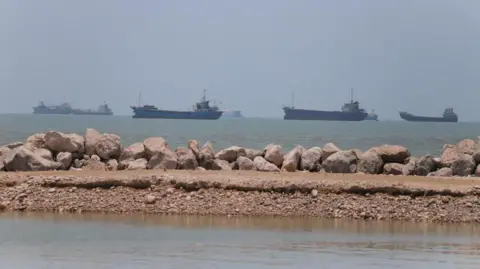
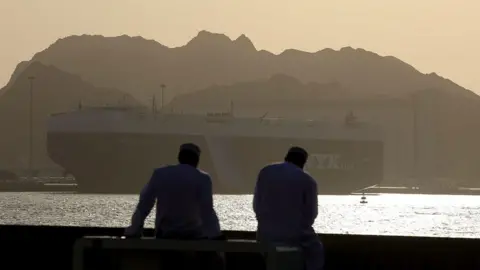
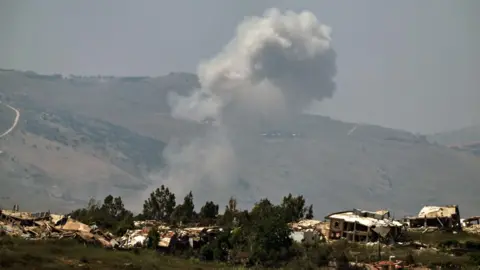
The agreement also hinges on re‑opening the Strait of Hormuz, a crucial maritime chokepoint that, if left closed because of the stalled talks, would delay the resumption of shipping traffic. Slow restarts in shipping traffic can extend the duration of fuel consumption, thereby amplifying greenhouse‑gas emissions. The delay also extends the conflict in the southern Lebanon region, where Israeli air strikes have damaged oil infrastructure and led to the destruction of vital agricultural fields, directly threatening food security and ecosystem resilience.
The postponed talks come a day after the US unilaterally lifted its naval blockade of Iran, a move that aims to reduce hostile tensions and encourage dialogue. Yet without the enforceable stipulations of the agreement, the nuclear program’s expansion could contribute to future radiation leaks, posing a threat to air quality, marine life, and human health across the region.
International observers have warned that a delay in diplomatic engagement not only risks prolonged conflict and insecurity but also prolongs the environmental toll of war – from battlefield contamination to the forced diversion of transport routes that elevate carbon footprints. The stakes are high both for regional ecological integrity and the planet’s collective climate objectives.
In the face of escalating tensions and the need for swift action, the United States and Iran’s failure to resume talks threatens to stall progress toward a nuclear‑peace that safeguards both human and planetary health. The international community urges for a rapid return to the negotiations platform, emphasizing the importance of a resolution that can reduce the environmental footprint of conflict and promote sustainable development in the Middle East.