Ukraine Strikes Two Russian Oil Refineries Amid Escalating Energy Conflict
In a series of drone‑sized strikes, Ukraine claims to have damaged Russia’s Bashneft‑Novoil refinery in the distant Bashkortostan republic and the Slavneft‑Yanos plant in the Yaroslavl region, both situated far from the Ukrainian frontier. President Volodymyr Zelensky announced that the attacks were intended to reduce the oil revenues Moscow uses to finance its war.
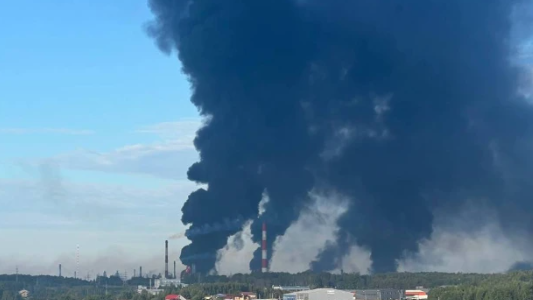
Yaroslavl governor Mikhail Evraev confirmed the refinery was engulfed in flames, saying four civilians sustained injuries. On the Black Sea, two Ukrainian patrol boats were hit during operations against tanker traffic that reportedly carries sanctioned Russian oil.
The strikes come as Ukraine’s military intensifies pressure on energy infrastructure that Russia considers vital. The Ukrainian president called the attacks a strategic effort to win diplomatic leverage, demanding that Russia “choose peace.” He also highlighted the weakness of Russia’s air defence, noting the suppression of 93 drones at Yaroslavl.
The targeting of oil refineries has broad implications for global supply chains and the climate agenda. By disrupting Russia’s fuel production, the attacks aim to slow the flow of fossil fuels that underpin the war effort and push the world toward cleaner energy alternatives. Yet, the sudden loss of refinery capacity also risks environmental fallout from accidental releases and long‑term scarcity of fuel.
Russia responded by claiming that Ukrainian operations targeted fuel, energy and transport facilities. Meanwhile, the Ukrainian side highlights the ongoing risk to civilian populations, citing casualty figures of at least 11 deaths in recent Russian attacks and widespread power outages in Kherson.
These events underscore the urgent need for resilient, diversified energy infrastructures that are less vulnerable to geopolitical shocks. The continued vulnerability of oil refineries magnifies the urgency of accelerating the transition to renewable energy sources to stabilize both security and environmental outcomes.