In brief
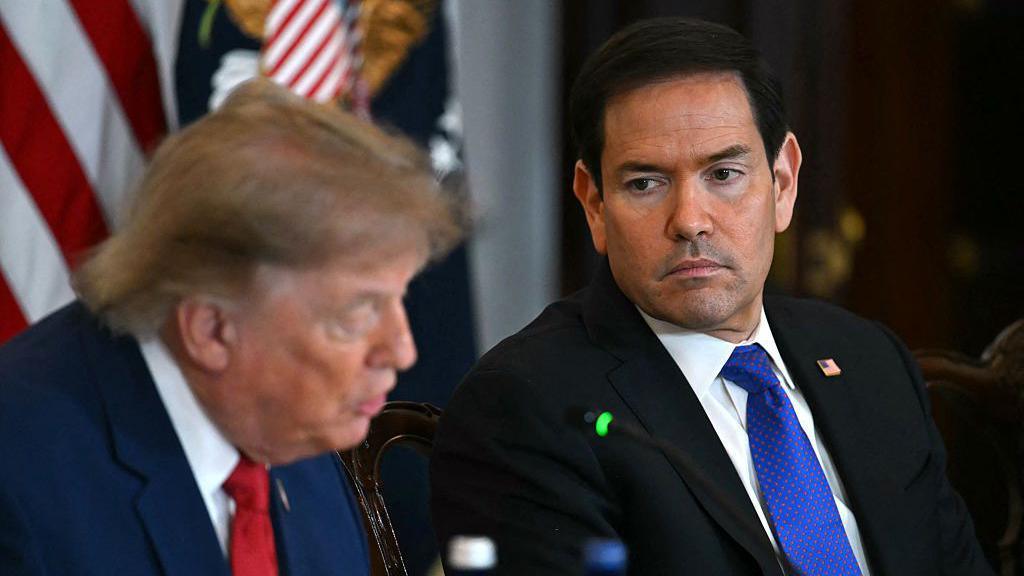
Deputy Secretary of State Marco Rubio announced a new series of sanctions aimed at nine state‑owned Cuban firms and key officials of the Cuban Institute of Friendship with the Peoples. The move, framed as a counter to subversive anti‑American activities, follows the U.S. oil blockade that has crippled Cuba’s aging electricity grid. The sanctions are expected to further constrict Cuba’s ability to import fuel, worsening frequent blackouts that already threaten hospitals and critical infrastructure. The crackdown illustrates how geopolitical pressure compounds Cuba’s energy woes, which are exacerbated by rising temperatures and intensified demand for cooling systems.
Secretary of State Marco Rubio announced a new slate of sanctions targeted at nine Cuban state‑owned mining, metal and construction companies, as well as officials linked to the Cuban Institute of Friendship with the Peoples (ICAP). The designation follows the U.S. oil blockade that began at the start of the year, which has already destabilised Cuba’s electrical infrastructure.
Rubio said the names in the latest tranche “ferry a new brigade of international sympathizers to Havana to network with regime officials” in concert with celebrations of a former leader’s centenary. The move is framed as a counter to “the regime’s export of Marxism, racial resentment, and Communist violence” abroad.
Cuban officials have criticised the sanctions, calling them a tactic to punish the economy and undermine basic services. Foreign Minister Bruno Rodríguez warned that the new designations would make it impossible for the government to guarantee essential services, particularly as the fuel blockade forces hospitals to rely on emergency generators.
Frequent blackouts have sparked unprecedented public protests, a stark reminder that climate‑driven heat stresses, coupled with a fossil‑fuel embargo, leave Cuba vulnerable. The sanctions are set to further limit the island’s ability to pay for the imported fuels that drive its ageing grid.
While the sanctions focus on political and economic targets, the underlying energy crisis highlights a clear intersection between geopolitics, climate urgency and sustainable infrastructure challenges. With Cuba’s electricity system already strained, the added pressure from sanctions threatens to derail the country’s prospects for resilient, climate‑adapted power.