In brief
Admiral Brad Cooper has declared mental health a priority aboard the USS Lincoln, a carrier that has been at sea for more than 240 days. Sailors report poor sanitation, broken plumbing, and food shortages, contributing to stress and potential suicide attempts. The prolonged presence of a high‑emission vessel also raises environmental concerns such as increased fuel consumption and greenhouse‑gas output. With the Navy planning to replace the Lincoln with USS George Washington, the situation points to a need for systemic change in both crew welfare and environmental stewardship in maritime operations.
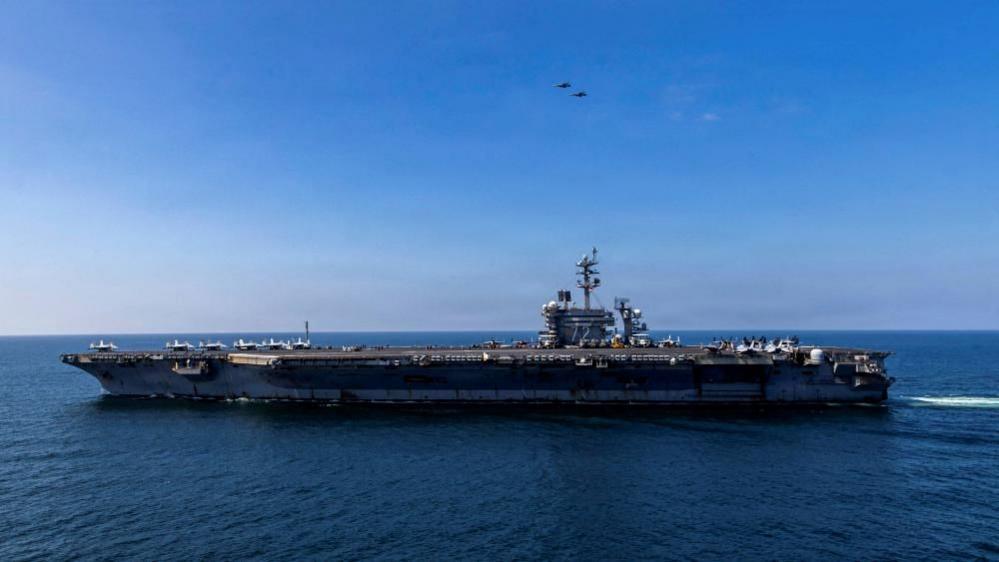
Admiral Brad Cooper – the top U.S. military commander in the Middle East – publicly stated that mental health must be a priority on the USS Lincoln after a round of reports highlighted the ship’s grueling conditions.
The carrier, which arrived in the region in January, has spent a record‑setting uninterrupted time at sea, over 240 days, while supporting U.S. operations against Iran, including enforcing an arm’s‑length blockade of Iranian ports.
Conditions cited by sailors include:
- Persistent poor sanitation and broken plumbing.
- Infrequent ports–of–call and long stretches without fresh food.
- Assault on crew morale resulting in reported suicide attempts.
While the U.S. Navy denies a formal crisis and stresses that mental health on the Louisiana‑class carriers is among the lowest in the fleet, the Admiral’s remarks hint at a broader need for targeted interventions in high‑pressure environments.
The extended deployment also amplifies environmental concerns. A carrier’s continuous operation draws massive amounts of fuel, contributing to greenhouse‑gas emission, and the waste generated at sea poses ecological risks. Maritime eco‑activists are calling for the Navy to adopt more sustainable practices in provisioning and in operational planning.
The USS Lincoln is slated to be relieved by the USS George Washington, which is expected to arrive in the region within a week. The transition, however, comes as Senate members have pressed the Defense Department for answers on the crew’s welfare and the ship’s extended absence from port.
Implications for Coastal Ecosystems
Beyond crew welfare, extended stay of a high‑fuel vessel raises issues of air quality deterioration around naval base infrastructure and potential marine pollution through leaks or fuel spills. Service‑men working the internal systems are at the frontline of mitigating these environmental risks.
Stakeholders from the U.S. political branch to citizen‑science groups urge the Navy to balance strategic objectives with the health and environmental well‑being of its personnel and the surrounding ecosystem.
For further support, individuals affected by the mental‑health situation may reach out to the BBC Action Line or consult global resources at Befrienders Worldwide. The U.S. Suicide and Crisis Lifeline remains available at 988 for immediate assistance.