In brief
The U.S. announced a fresh round of sanctions targeting nine state‑owned mining, metal and construction firms, the Ministry of Construction, and officials linked to the Cuban Institute of Friendship with the Peoples. The move, issued by Secretary of State Marco Rubio, aims to curb the regime’s alleged subversive political network and its funding of repressive activities. However, the sanctions could impede Cuba’s ongoing green initiatives, exacerbate fuel shortages, and limit the island’s ability to meet its climate commitments. Cuban officials decry the U.S.‑led economic pressure as a weapon that may cripple vital infrastructure and civilian access to clean energy.
US sanctions hit nine Cuban state‑owned mining, metal and construction firms, the U.S. Department of State announced on Thursday, adding the Ministry of Construction and officials associated with the Cuban Institute of Friendship with the Peoples to a growing list of targets.
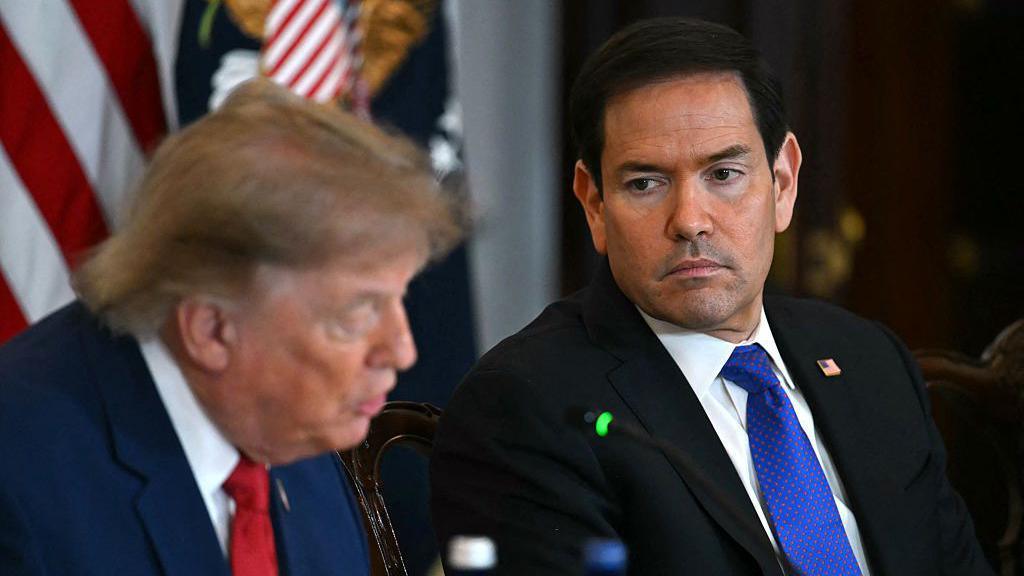
Secretary of State Marco Rubio described the new designations as a response to a “new brigade of international sympathisers” who, according to the U.S., are networked with regime officials “to export Marxism, racial resentment and Communist violence across the world.”
The sanctioned entities are central to Cuba’s energy and building sectors. The state‑owned mining companies supply raw materials for infrastructure, while copper and iron production represent some of the island’s largest carbon‑intensive industries. The Ministry of Construction oversees national building programmes that have increasingly integrated renewable materials and energy‑efficient designs.
Critics argue that the sanctions could severely limit the government’s capacity to fund ongoing green projects. Cuba has recently announced expansions in solar‑powered microgrids and initiatives to replace diesel generators with biomass and photovoltaic systems. With the U.S. oil blockade already constraining imports and the island’s heavily aged electricity infrastructure relying on diesel, the new restrictions could push the country further back from its climate‑friendly targets.
Cuban Foreign Minister Bruno Rodríguez condemned the move, accusing the U.S. of attempting to “punish” the economy and “harm” the population’s basic services. He warned that the sanctions would make it harder for Cuba to guarantee essential services, a problem that is already acute in the wake of fuel shortages.
Power outages have become increasingly frequent. Hospitals have resorted to emergency generators, and widespread power cuts have, for the first time in recent years, sparked public protests. These disruptions threaten not only health and safety but also the island’s ability to operate essential climate infrastructure, including biogas plants and waste‑to‑energy facilities.
The sanctions come amid a global push for high‑impact climate policy. By tightening U.S. leverage over Cuba’s key mining and construction sectors, the administration is directly affecting the environmental trajectory of an entire region whose ecosystems already feel the pressure of rising temperatures and sea‑level rise.
The global environmental community calls for a balanced approach that safeguards human rights and supports sustainable development. An abrupt reduction in Cuba’s industrial output could reverse years‑long gains in greenhouse gas mitigation and renewable energy adoption on the island.