In brief
A 6.7‑magnitude earthquake struck near Aniso in Peru’s Ayacucho region, leaving at least three injuries and significant damage to homes, schools and health facilities. Power outages affected roughly 9,000 properties, underscoring the vulnerability of grid infrastructure during seismic events. Peru’s position at the junction of the Nazca and South American plates makes it prone to frequent quakes, with recent strong events in Colombia and Venezuela. The incident reinforces the urgency for adoption of seismic‑resistant building codes, community‑driven risk‑reduction strategies and backup renewable power to safeguard future generations.
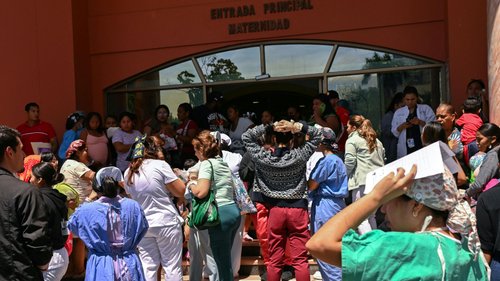
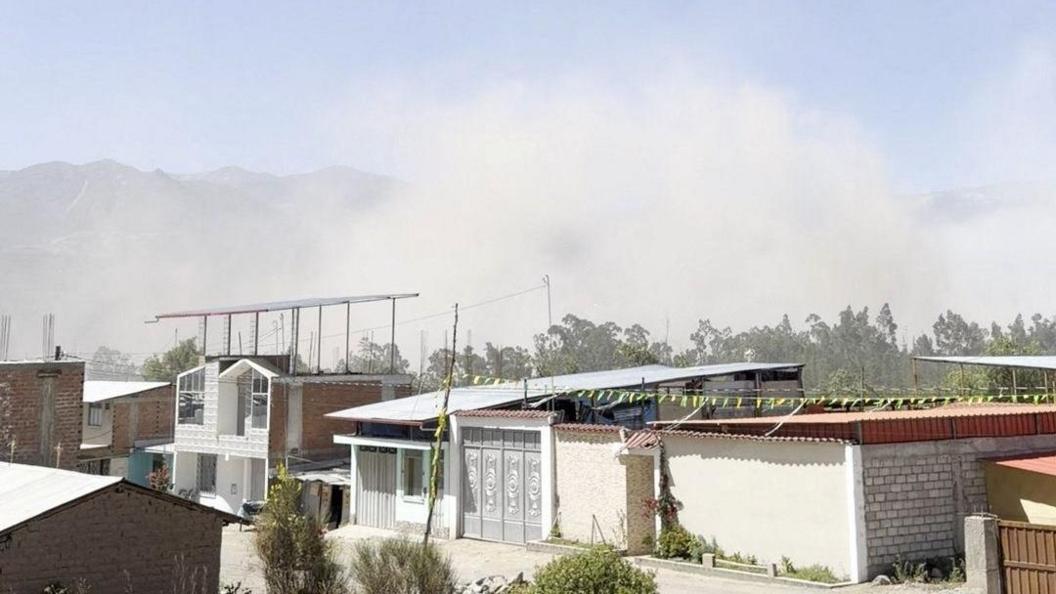
On Thursday, a 6.7‑magnitude quake jolted the Ayacucho region of Peru, shaking the remote settlement of Aniso and its surroundings. The tremor fractured roofs, damaged 22 homes and six schools, and injured three people, according to local officials. The incident also caused widespread power cuts, affecting about 9,000 properties and leading to brief shutdowns of some healthcare facilities.
Peru sits at the intersection of the Nazca and South American tectonic plates, a fact that explains the frequent seismic shocks the country experiences. The recent earthquake came after a series of powerful quakes in Colombia and Venezuela that cost thousands of lives. These events cast a stark light on the readiness of local infrastructure and the critical need for more resilient construction approaches.
The damage to schools, homes and health centres stresses the necessity to adopt stricter building codes that incorporate modern seismic best practices. Moreover, local communities are exploring the installation of renewable‑energy backup systems, such as solar arrays and battery storage, to maintain essential services when the grid falters. These efforts align with broader climate‑adaptation goals, ensuring that future generations are better protected against natural hazards.
The earthquake’s aftershocks were felt as far as the capital, Lima, approximately 300 kilometres away. The incident serves as a timely reminder that resilience—whether through engineering, emergency planning or community empowerment—is an essential climate‑action strategy in the Andes and beyond.