In brief
In a narrow decision, the US Supreme Court cleared the way for President Donald Trump’s planned $400 million ballroom at the White House, potentially igniting climate‑friendly debates. The ruling follows lower court orders halting construction and hinges on questions of congressional approval and standing. The National Trust for Historic Preservation argued that demolition would cause irreversible damage to an iconic landmark, a claim the Court found lacking sufficient legal standing. Environmentalists voice concerns over the green‑house gas footprint of a large-scale project and the opportunity—or lack— to incorporate renewable energy, energy‑efficient design, and locally sourced materials. The decision opens a door for a national conversation on how historic renovations can marry heritage with climate resilience.
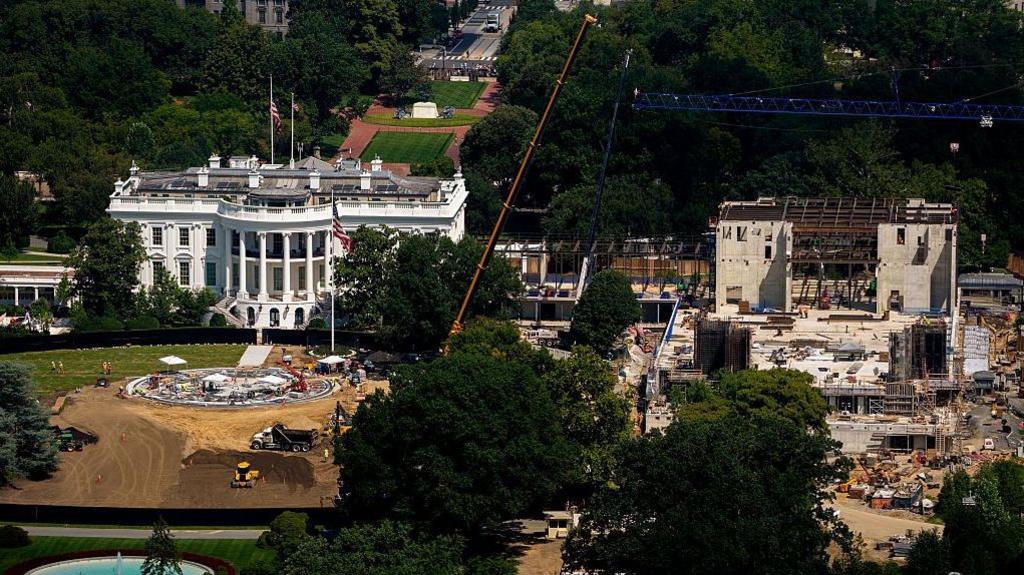
On 31 August, the US Supreme Court delivered a 5‑4 decision that ultimately permits the construction of a 90‑000‑square‑foot ballroom at the White House, a project previously stalled by lower court injunctions. The ruling hinged on the lack of legal standing for the National Trust for Historic Preservation’s lawsuit, which contested the Trump administration’s unilateral demolition of the East Wing and subsequent construction without congressional approval.
While celebratory statements from President Trump highlight the project as a symbol of “Golden Age” America, climate and heritage advocates have responded with caution. The ballroom’s scale—estimated to cost $400 million (£297 million)—demands massive amounts of concrete, steel, and glass, all of which are linked to significant carbon emissions during extraction, manufacturing and transportation.
Sustainable construction experts argue that this is a pivotal moment to demand green building practices. Suggested measures include:
- Using low‑carbon or recycled materials for structural elements.
- Incorporating on‑site renewable energy sources, such as solar panels on the façade, to offset operational emissions.
- Designing energy‑efficient HVAC and lighting systems to reduce future consumption.
- Implementing a comprehensive environmental impact assessment before any demolition proceeds.
The National Trust for Historic Preservation’s claim that the project would cause “irreversible damage” to a historic landmark reflects a broader tension: the need to protect cultural heritage while also meeting climate goals. In their view, demolishing the East Wing could encourage an unregulated trend of large‑scale public projects that overlook carbon audits and sustainable design.
With construction reportedly set to be "substantially" completed by November 2026 and fully finished by August 2028, the Court’s decision prompts urgent policy questions. Will federal agencies enforce a climate‑performance baseline for the construction?
The debate intensifies as the White House looks beyond its walls. Discussions include plans to renovate Washington DC’s historic reflection pool and constructing a monumental "Arc de Trump"—all raising the stakes for environmental stewardship in the nation’s capital. The outcome of these projects could either serve as a case study for green public works or illustrate a missed opportunity to set a precedent for climate‑conscious development.