In brief
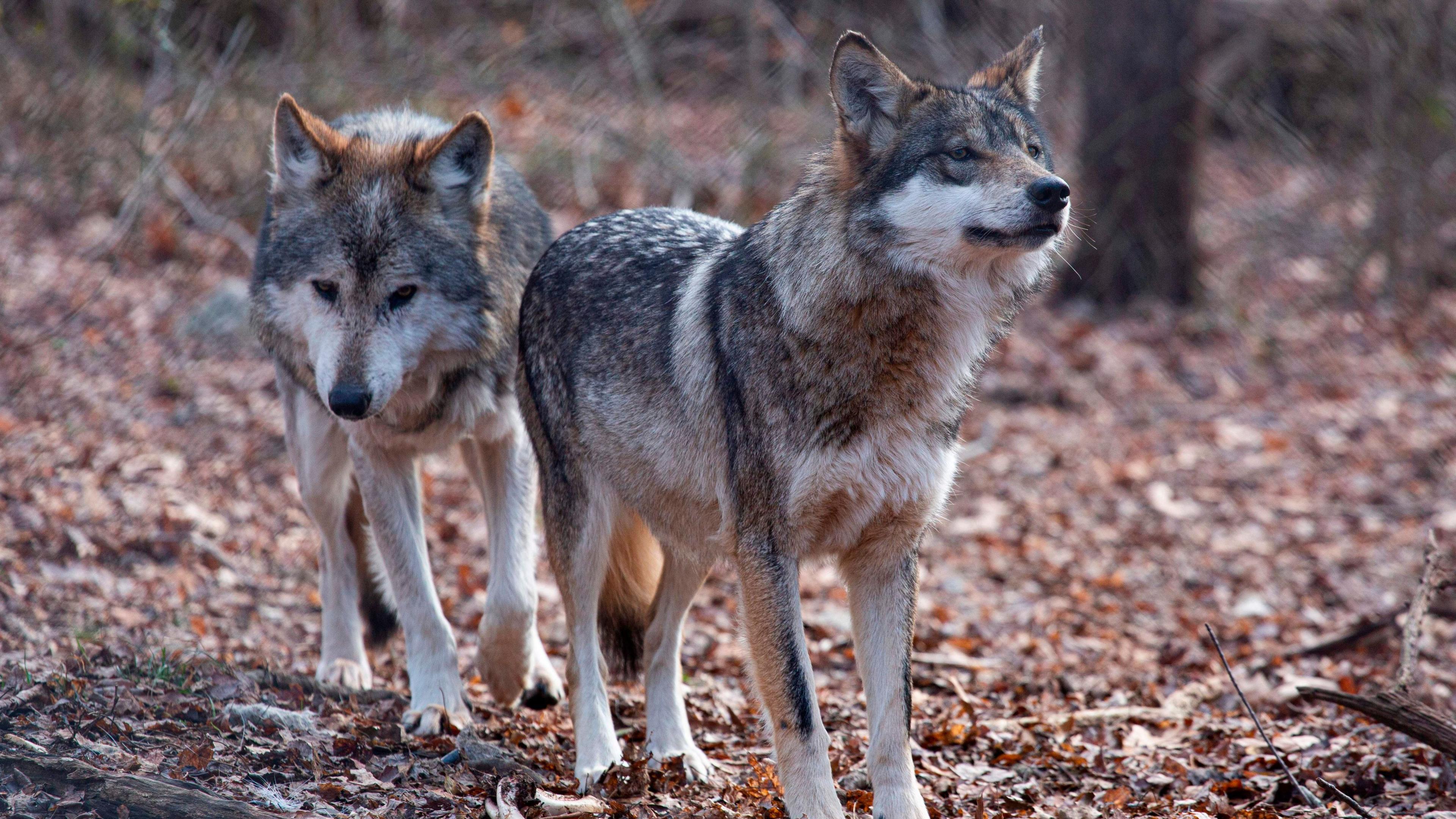
President Donald Trump signed an executive order eliminating endangered species protection for the gray wolf and the Mexican wolf. The decree could allow ranchers to legally kill wolves that threaten livestock, a move welcomed by farmers but condemned by conservation groups who warn it undermines decades of recovery efforts. The order gives the Interior Secretary ninety days to assess whether populations have recovered enough to be delisted, but critics argue that wolf predation on livestock is rare and that the removal could reverse hard‑earned gains in biodiversity.
President Donald Trump has signed an executive order that removes endangered species protection for the gray wolf and its Mexican subspecies. The move could give livestock owners a legal edge to kill wolves that prey on their herds, a concession framed as a step toward supporting America’s food supply chain and cultural heritage.
Conservation organizations argue the order severely undermines long‑term recovery efforts. In 2025, U.S. Fish and Wildlife Service data showed 319 Mexican wolves, a rise from the four reintroduced in 1998. Yet the gray wolf, with an estimated 18,000 individuals nationwide, remains threatened as habitat loss has progressed.
The decree gives the Interior Secretary, Doug Burgum, 90 days to determine whether the populations have reached a point that could justify removal from the endangered species list. The order does not grant farmers an immediate license to shoot wolves;
rather, it proposes additional measures in a context where U.S. livestock herds have reached a 75‑year low while beef demand has increased by 10% in the last decade. This backdrop dovetails with the President’s campaign to lower steep U.S. beef prices, which are driven by drought and parasite outbreaks.
Ranchers have expressed frustration with the administration’s loosening of import restrictions on beef, citing pressure on already thin margins. Meanwhile, environmental groups point to studies that indicate wolf attacks on livestock are infrequent and unlikely to impact ranch incomes significantly.
“This is a huge distraction to placate a handful of ranchers and make them believe that wolves are a greater threat than President Trump’s own policies,” said Greta Anderson, deputy director of the Western Watersheds Project. The Wolf Conservation Center notes that ranches can receive up to 100% compensation for losses due to wolves under current federal law, while states fund deterrence programs.
Claire Musser, executive director of the Grand Canyon Wolf Recovery Project, warned that “weakening federal protections now would put decades of recovery work at risk.” The executive order arrives at a time when the U.S. government has historically tried to drive wolves to the brink of eradication, a practice that continues to dissuade the public view of wolves as cooperative co‑existents with human farming.
The policy shift invites legal challenges. Some campaigners plan to engage the U.S. Department of Interior and relevant court filings to halt actions that could reverse gains in wolf population protection.
For more on endangered species and federal policy changes, continue reading our comprehensive coverage.