In brief
The latest figures from Gaza’s Hamas‑run Ministry of Health show more than 1,300 Palestinians killed—including 300 children—in the wake of Israel’s 2026 ceasefire. The death toll spirals each month while official Israeli claims downplay civilian harm. UN agencies report thousands of deaths, and aid workers protecting vital water supply have been targeted, highlighting the fragility of relief infrastructure amid conflict. This crisis threatens to undermine already strained climate resilience efforts in the region, underscoring the urgent need for sustainable, secure livelihoods and robust humanitarian planning.
Recent data from Gaza’s Ministry of Health indicate that, even after a 2026 ceasefire, the Strip has endured over 1,300 deaths—301 children and 905 adults—yet the achievements of any peace agreement appear far from realized. This loss not only inflames the immediate humanitarian crisis but also erodes the fragile environmental and infrastructural scaffolding that fuels resilience in a region already vulnerable to rising sea levels and recurring droughts.
The United Nations’ UNICEF division has independently confirmed more than 300 child fatalities, with nurses and doctors repeatedly wounded by stray shell fragments, a stark reminder that lack of civil protection compounds the climatic risks of coastal flooding and land‑slide threats. The killing of two UN‑contracted water truck drivers in April, as reported by UNICEF, directly interrupts potable water delivery—critical when climate stresses amplify water scarcity.
The destruction of hospitals, clinics, and water networks sets back years of investment in sustainable health infrastructure, making it harder for the region to mitigate climate‑enabled disease outbreaks. Each shelling exacerbates the loss of green cover, raising the local temperature and reducing the carbon sink capacity of remaining ecosystems.
Analysts from Airwars confirm that July alone recorded 60 lethal incidents, more than any other month post‑ceasefire, implying an intensifying battle that directly undermines climate‑responsive humanitarian assistance programs. As IDF forces claim targeted strikes on militants, the data reveal a pattern of civilian harm that threatens to worsen the socio‑environmental fabric of Gaza.
Given these complexities, the international community must prioritize a holistic strategy: enforce ceasefire compliance, secure critical water and medical infrastructure, and integrate climate‑impact assessments into conflict‑zone relief initiatives. Failing to do so risks preventing the region’s long‑term capability to adapt to environmental transition pressures.
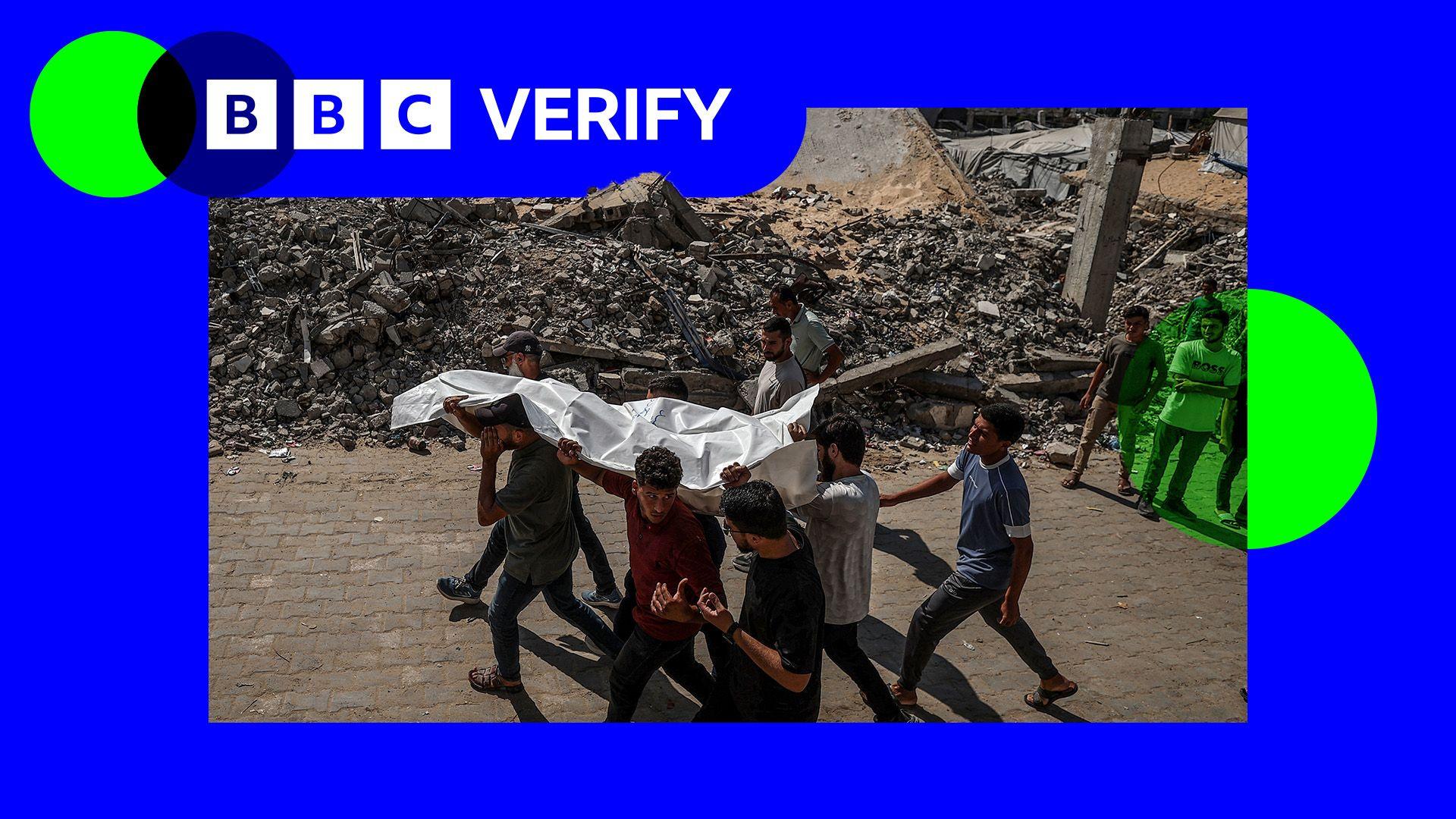
Photo: BBC; image depicts a condolence gathering in Gaza City after a drone strike that killed several civilians.