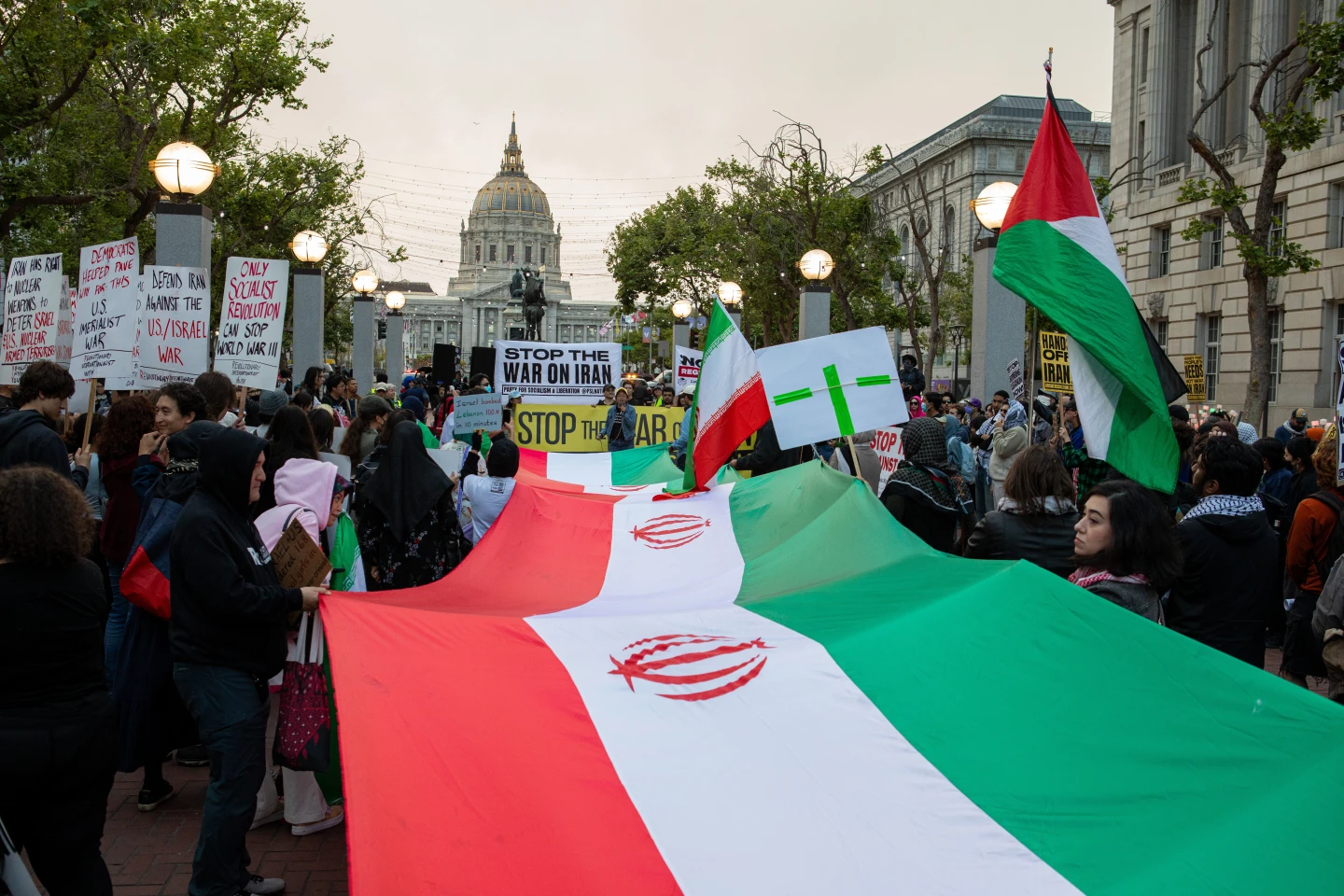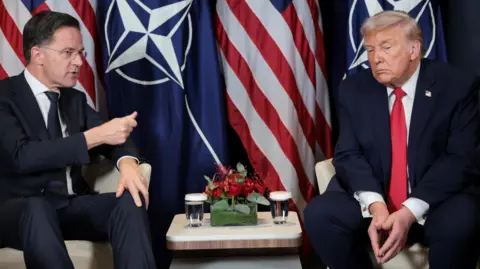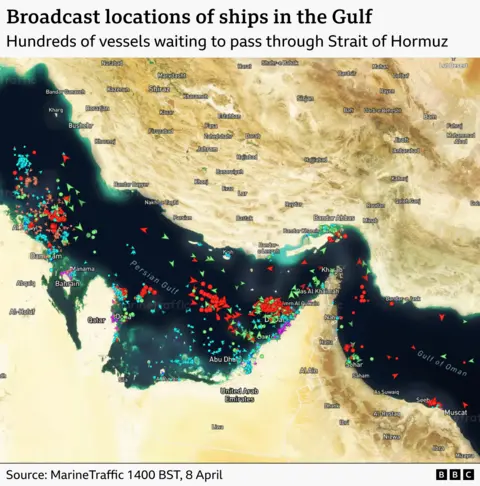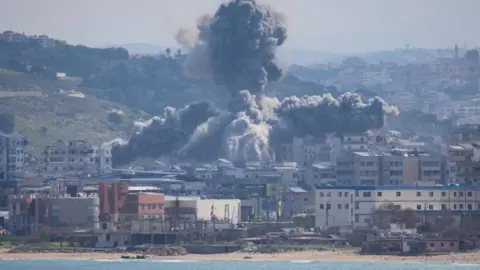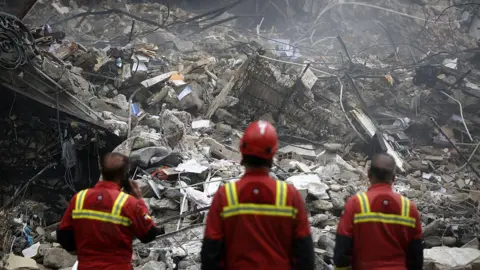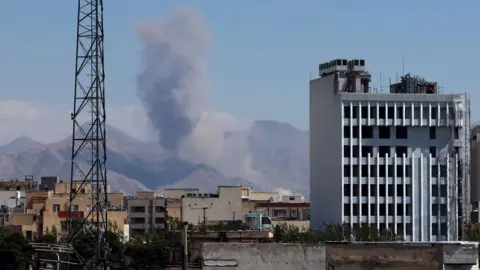
In the weeks since the US and Israel launched airstrikes on Iran, the battle for the narrative regarding the war's progress has intensified, especially within the corridors of American military command.
Inside Pentagon press briefings led by US Defence Secretary Pete Hegseth, who has transformed his military updates into television-style broadcasts, representations of American military power dominated the discussions. He declared that the US achieved a 'capital V military victory' and exulted in its destructive prowess in the region. Despite this, the tangible outcomes of the conflict remain contested.
Initially, President Trump's main goal was to prevent Iran from acquiring nuclear weapons—a claim Iran disputes, insisting it never sought such capabilities. However, Trump's unilateral withdrawal from the 2015 nuclear deal and the re-imposition of sanctions on Iran undercut diplomatic avenues, leaving military action as a primary recourse.
As the independent monitoring body, the International Atomic Energy Agency (IAEA) reported the continuing existence of Iran's enriched uranium stockpile, questions arose about the actual impact of the military campaign on Iran's nuclear developments. Leaders within Iran are now potentially more motivated to advance their nuclear ambitions as a deterrent against future US interventions.
The US also aimed to undermine Iran's conventional military capabilities during this operation. Although claims of obliterating missile and drone inventories were made, evidence suggests that significant portions of Iran's arsenal remain intact, casting doubt on the administration's optimistic projections.
The article further delves into the human and financial costs of the war, reporting that thirteen American service members have died, with countless others injured. Additionally, US military operations have reportedly consumed vast stocks of ammunition and resources, and projections indicate a staggering daily expenditure surpassing one billion dollars, raising pressing questions about the sustainability of such military endeavors.
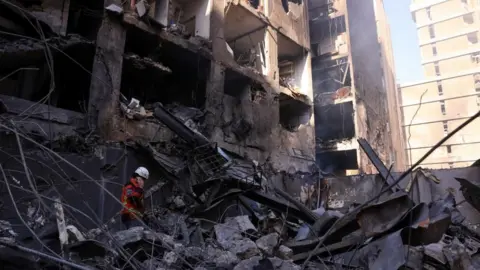
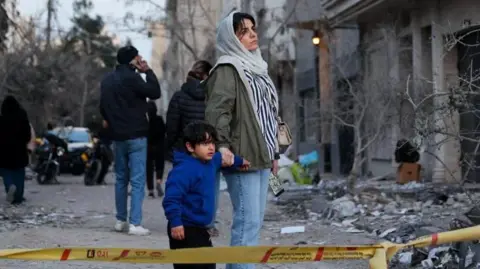
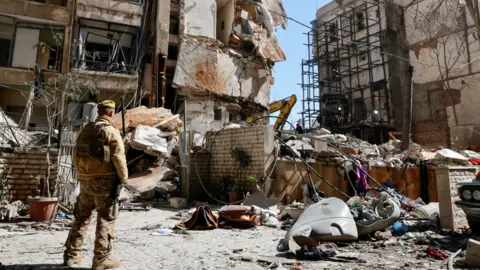
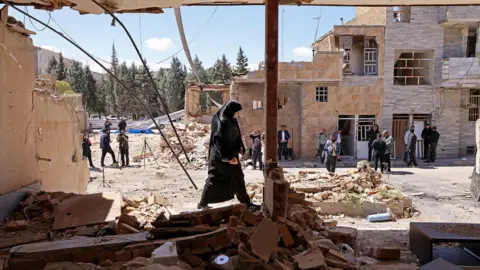
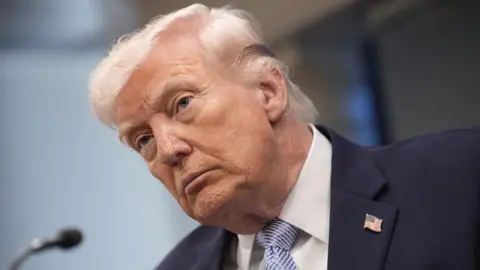
Trump's approval ratings have also been affected, with growing dissent within his own party coupled with public unease over escalating military engagements and humanitarian impacts, notably highlighted by the massive civilian casualties resulting from airstrikes.
Looking ahead, as the US grapples with significant economic consequences from the war, including rising gasoline prices, the midterm elections may become a referendum on Trump's military strategies and their implications for America's geopolitical standing. The ability of US allies to support or distance themselves from American initiatives during this conflict will also reshape future diplomatic relations, potentially leading to a recalibrated international order. Ultimately, the complex realities on the ground reflect a war with no clear path to resolution, leaving many to speculate what the true costs of this conflict may ultimately be.
Inside Pentagon press briefings led by US Defence Secretary Pete Hegseth, who has transformed his military updates into television-style broadcasts, representations of American military power dominated the discussions. He declared that the US achieved a 'capital V military victory' and exulted in its destructive prowess in the region. Despite this, the tangible outcomes of the conflict remain contested.
Initially, President Trump's main goal was to prevent Iran from acquiring nuclear weapons—a claim Iran disputes, insisting it never sought such capabilities. However, Trump's unilateral withdrawal from the 2015 nuclear deal and the re-imposition of sanctions on Iran undercut diplomatic avenues, leaving military action as a primary recourse.
As the independent monitoring body, the International Atomic Energy Agency (IAEA) reported the continuing existence of Iran's enriched uranium stockpile, questions arose about the actual impact of the military campaign on Iran's nuclear developments. Leaders within Iran are now potentially more motivated to advance their nuclear ambitions as a deterrent against future US interventions.
The US also aimed to undermine Iran's conventional military capabilities during this operation. Although claims of obliterating missile and drone inventories were made, evidence suggests that significant portions of Iran's arsenal remain intact, casting doubt on the administration's optimistic projections.
The article further delves into the human and financial costs of the war, reporting that thirteen American service members have died, with countless others injured. Additionally, US military operations have reportedly consumed vast stocks of ammunition and resources, and projections indicate a staggering daily expenditure surpassing one billion dollars, raising pressing questions about the sustainability of such military endeavors.
Trump's approval ratings have also been affected, with growing dissent within his own party coupled with public unease over escalating military engagements and humanitarian impacts, notably highlighted by the massive civilian casualties resulting from airstrikes.
Looking ahead, as the US grapples with significant economic consequences from the war, including rising gasoline prices, the midterm elections may become a referendum on Trump's military strategies and their implications for America's geopolitical standing. The ability of US allies to support or distance themselves from American initiatives during this conflict will also reshape future diplomatic relations, potentially leading to a recalibrated international order. Ultimately, the complex realities on the ground reflect a war with no clear path to resolution, leaving many to speculate what the true costs of this conflict may ultimately be.