In brief
President Trump has announced a temporary ceasefire with Iran to facilitate negotiations, marking a political victory amidst looming threats of military action. However, the costs of his incendiary rhetoric remain uncertain, as both sides must navigate complex demands and potential backlash from the international community.
In the end, cooler heads prevailed – at least for now.
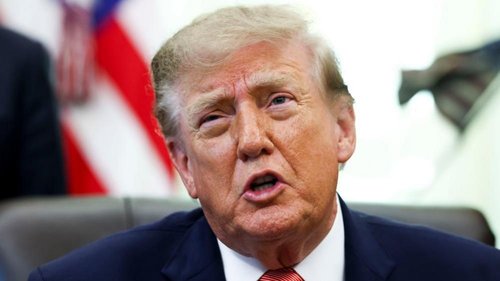
At 18:32 Washington time, President Donald Trump posted on his social media website that the US and Iran were very far along with a definitive peace agreement and that he had agreed to a two-week ceasefire to allow negotiations to proceed.
It wasn't exactly the last minute, but with Trump's looming deadline that threatened massive strikes against Iranian infrastructure, it came close.
All of this is contingent on Iran also suspending hostilities and fully opening the Strait of Hormuz to commercial shipping traffic, which it says it will do.
But this is the kind of progress that was far from certain as early as Tuesday morning, when Trump threatened the death of Iranian civilization, never to be brought back again.
Whether such a jaw-dropping threat from an American president pressured Iran to agree to the ceasefire is uncertain. What is clear is that Trump's inflammatory declaration is unlike anything seen from a modern American president.
Even if the ceasefire results in peace, the Iran war – and Trump's recent words – may have altered how the world views the US permanently.
A nation once seen as a stabilizer is now shaking the foundations of the international order. Trump has shattered political norms both domestically and globally.
Democrats quickly condemned Trump's rhetoric, with some suggesting his removal, while some Republicans wavered in their support. Congressman Austin Scott criticized Trump's comments as counterproductive, and Senator Ron Johnson cautioned against military escalation.
The White House may claim victory, suggesting Trump's threats were effective. In his announcement, Trump stated that the US had met its military objectives.
Despite Iran agreeing to suspend operations and allow safe passage through Hormuz, numerous uncertainties remain regarding the long-term outcomes of the ceasefire.
For now, it represents only a temporary political win for Trump, exposing the inherent risks of his approach and leaving uncertainties regarding the overall impact of the ongoing conflict.