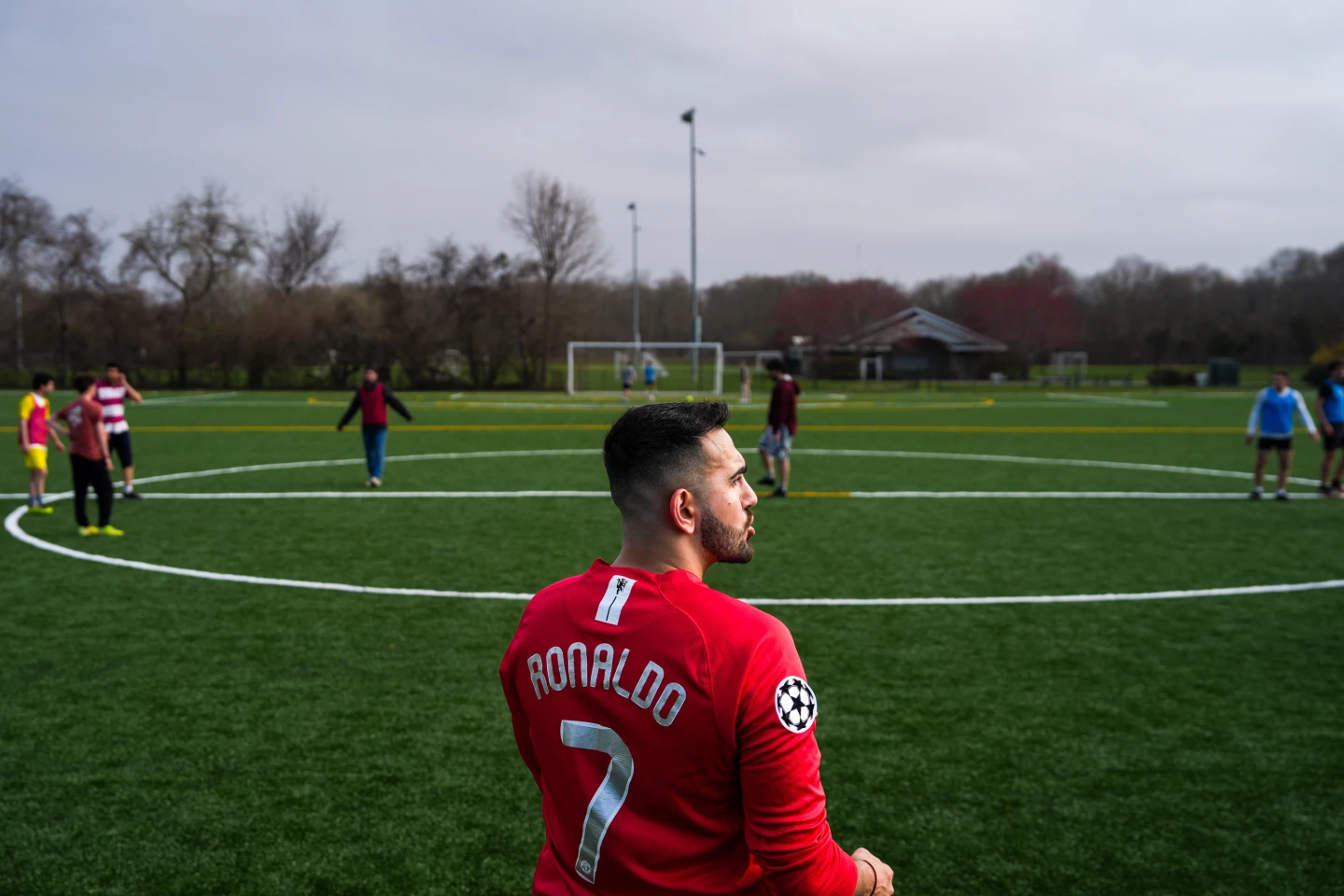
STONY BROOK, N.Y. — With Iran qualifying for the World Cup, fans within the Iranian diaspora are finding it challenging to reconcile their enthusiasm for Team Melli with the country's ongoing political struggles. Graduate student Arad Ershad, who grew up in Tehran, had initially dreamed of attending the World Cup in Los Angeles. However, after witnessing the lack of support from players during a recent deadly crackdown on protests, his excitement faded. It feels so bad that I do not want them to succeed. They were like my icons, Ershad expressed during a soccer match on Long Island.
As Iran prepares to begin its World Cup journey, many supporters are torn between watching the matches, protesting against the government's repression, or reframing their support solely around the love of the game. Some fans assert the team complicity in the government's actions and find it difficult to cheer for the players, while others seek ways to express their dissent during the matches.
Furthermore, discussions have emerged regarding the team's potential withdrawal from the tournament due to ongoing conflicts with the US and Israel, raising uncertainty about the situation. Iranian officials have questioned their participation amidst the political chaos, increasing tensions for supporters who long for a triumphant representation of their homeland.
Recent players' actions, including protests during training and matches, demonstrate the struggle athletes face under governmental scrutiny, illustrating how sports become intertwined with political conflicts. Protest movements have dampened the spirit for many fans, leading to calls for political asylum among athletes. Former soccer team player Shiva Amini advocates preventing the men's team from participating, claiming many fans feel the current lineup represents the regime rather than the Iranian people.
While mixed feelings linger among the fans, a sense of obligation to raise the voice against repression remains strong. Iranians, despite their pride and love for the game, are ready to express their discontent with the socio-political circumstances of their country. As World Cup games approach, supporters like Masoud Ahmadi plan to attend while voicing dissent through banners representing pre-revolution symbols.
As Ershad stated on the conflict between sport and politics, It’s hard to not cheer for your national team, but let’s go Portugal” if their government remains oppressive.