In brief
Amid escalating U.S. threats towards Iran, Iranian-Americans express deep concerns for their loved ones back home, grappling with uncertainty and anxiety. Protests emerge as many call for an end to the war, believing that diplomacy is vital over military intervention. The fear of family potential harm resonates in communities, reflecting a complex emotional landscape as individuals navigate their identity and responsibilities amidst geopolitical turmoil.
Impact of War on Iranian-Americans
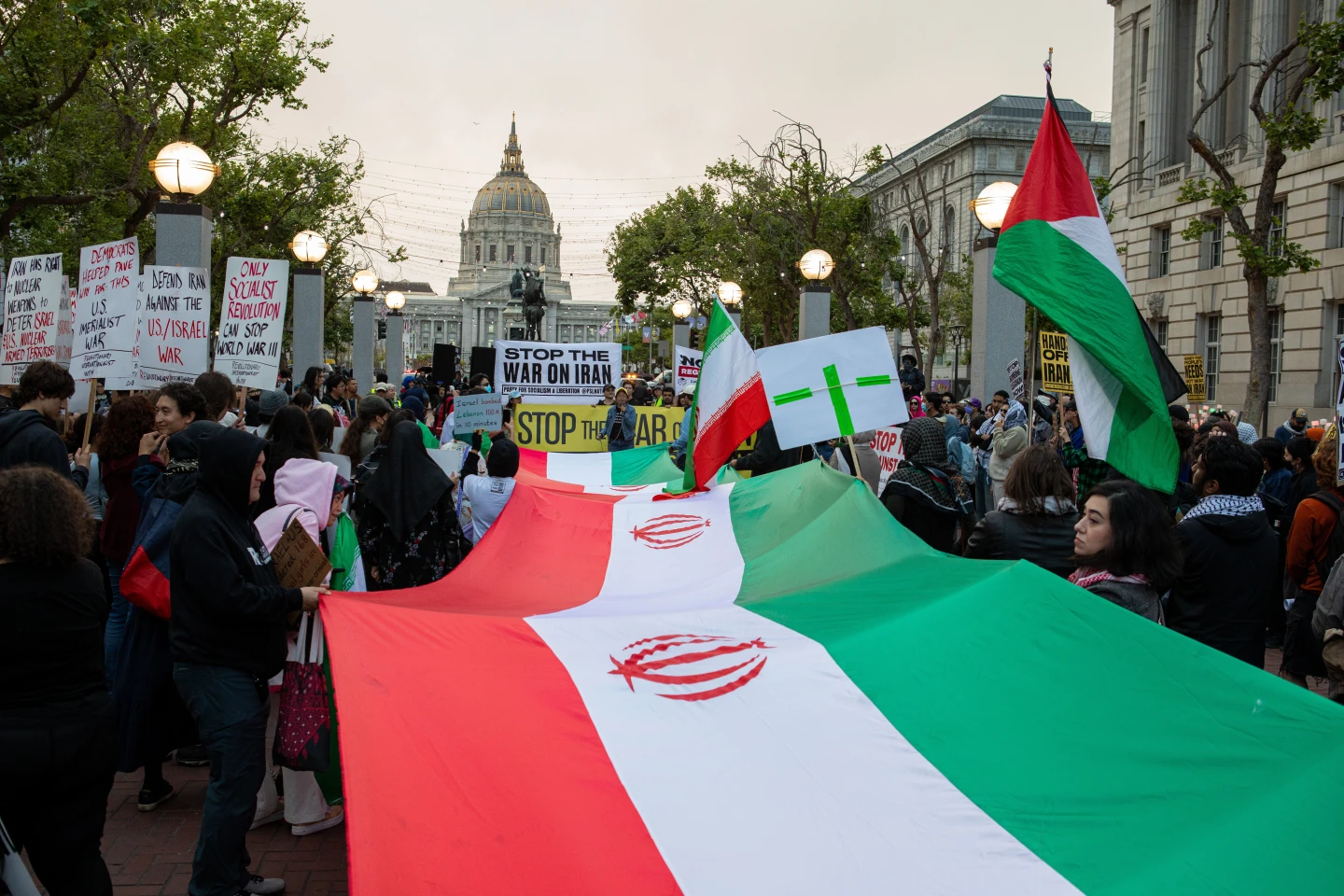
As tensions between the United States and Iran escalate, many Iranian-Americans are being pulled into a whirlpool of emotions filled with fear and anxiety for their family members back home. Zainab Haider, a municipal planner, describes a heavy heart while driving home with her young kids, worried about her relatives who remain in Iran. The uncertainty of President Donald Trump's military threats looms large, igniting protests around the country advocating for peace and dialogue instead of aggression.
Haider joined protests in Austin, Texas, where she expressed that the U.S. should not impose regime change but instead let the Iranian people determine their fate. It’s possible to do something that affects millions of people, millions of lives, she noted, emphasizing the gravity of the situation for many families.
Protests Erupt Across Cities
Gatherings advocating for an end to U.S. military action were seen in major cities including New York, Chicago, and Los Angeles. An Iranian-American writer, Sheila Amir, expressed worries not only for her relatives in Iran but also for her family members serving in the military, voicing concerns over their safety amid potential escalation.
Complex Emotions from Various Perspectives
The emotional responses among the Iranian-American community showcase a complex landscape: from fears of violence against relatives in Iran to apprehensions about military personnel's obligations back home. Roya Rastegar, a filmmaker and fellow Iranian-American, shared the difficult conversations happening within families about the conflict and its humanitarian impact.
As she highlighted the challenges of explaining the war to children, Rastegar captured the distressing moral dilemma of wanting to support a peaceful resolution while also advocating for those repressed under an oppressive regime. It’s really nauseating to just think about my people as being stuck between a regime that’s still killing them and an administration that is issuing these kinds of threats,” she stated.
A Community Mobilizing for Change
This emerging narrative among Iranian-Americans emphasizes the need for peace, love, and dialogue rather than violence. With the intersections of personal fears and broader geopolitical implications, the community appears determined to mobilize efforts toward advocating for a resolution that prioritizes safety and well-being for all involved.