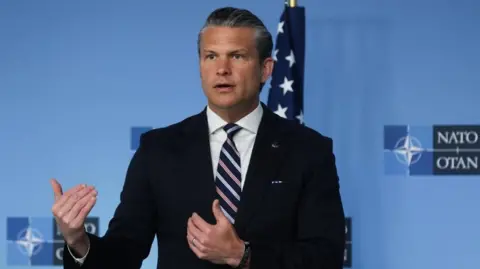
President Donald Trump has pledged to target infrastructure across Iran unless the country reaches an acceptable deal to end the war with the US and Israel.
Promising to bomb the country back to the Stone Ages, Trump stated that US forces would focus on critical facilities. He warned that a whole civilization will die tonight if an agreement is not established.
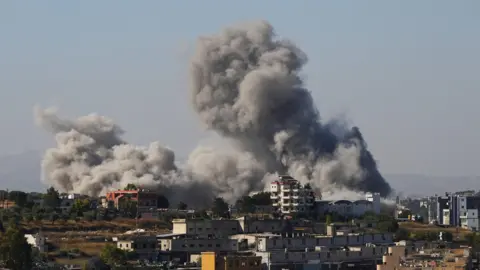
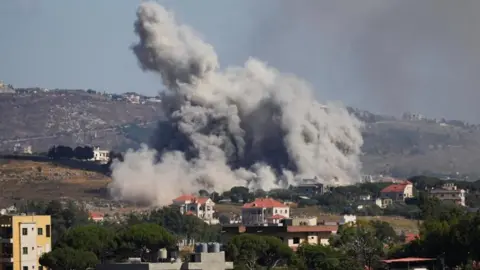
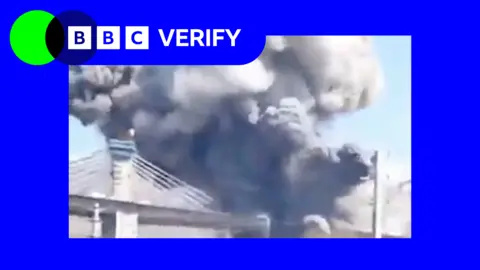
Since the conflict resumed, attacks have been reported on different infrastructures, including schools and hospitals. BBC Verify confirmed strikes have targeted at least two steel plants, three bridges, and a pharmaceutical plant over the past weeks.
As these military actions continue, some US Congress members and UN officials have raised concerns over the potential of war crimes, yet Trump dismissed these worries, stating he was not worried about it.
Impacts of Civilian Infrastructure Strikes
This month, US aircraft conducted strikes on various civilian infrastructures, including a bridge in Karaj that resulted in 13 casualties. The president later boasted online about the strike's effectiveness, calling it a significant blow to Iranian infrastructure.
Additional verified reports indicated that Iranian steel plants and pharmaceutical facilities were targeted, which could severely impact the economy and healthcare system. Notably, Israeli Prime Minister Benjamin Netanyahu claimed that these strikes have disrupted up to 70% of Iran's steel manufacturing capability.
Analysts caution that such extensive targeting could result in starvation and disease, undermining civilians' rights in wartime. Although the IDF alleges military necessity for these strikes, legal experts debate the justifications under international law.
Moreover, damages to educational and religious buildings have also been reported, increasing the humanitarian crisis.
Are These Strikes Considered War Crimes?
The legality of the US and Israeli strikes is a critical concern. Legal experts suggest that while some military actions are permissible, the resultant excessive civilian harm could constitute war crimes. For example, attacks on power and water facilities could disrupt daily life and lead to humanitarian disasters.
As the international community observes the unfolding situation, the implications of these strikes on civilian infrastructure remain heavily scrutinized.