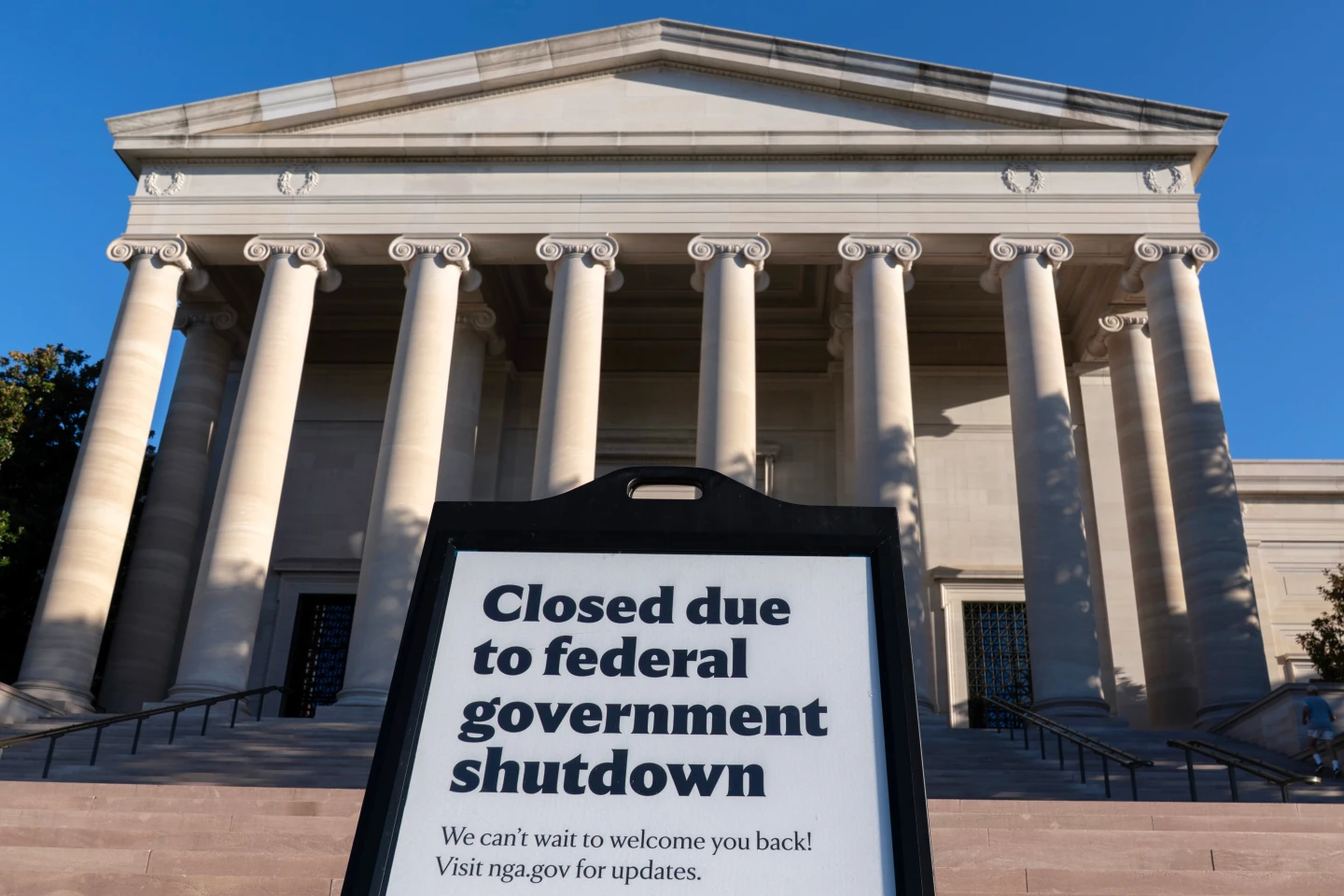
The federal government shutdown is nearing its one-month milestone, leading to significant disruptions in vital programs for millions of Americans. As funding lapses, states scramble to fill the gaps left by the halted services, impacting food programs and developmental assistance for children. Furthermore, active military members are set to miss their paychecks as the stalemate in Congress continues.
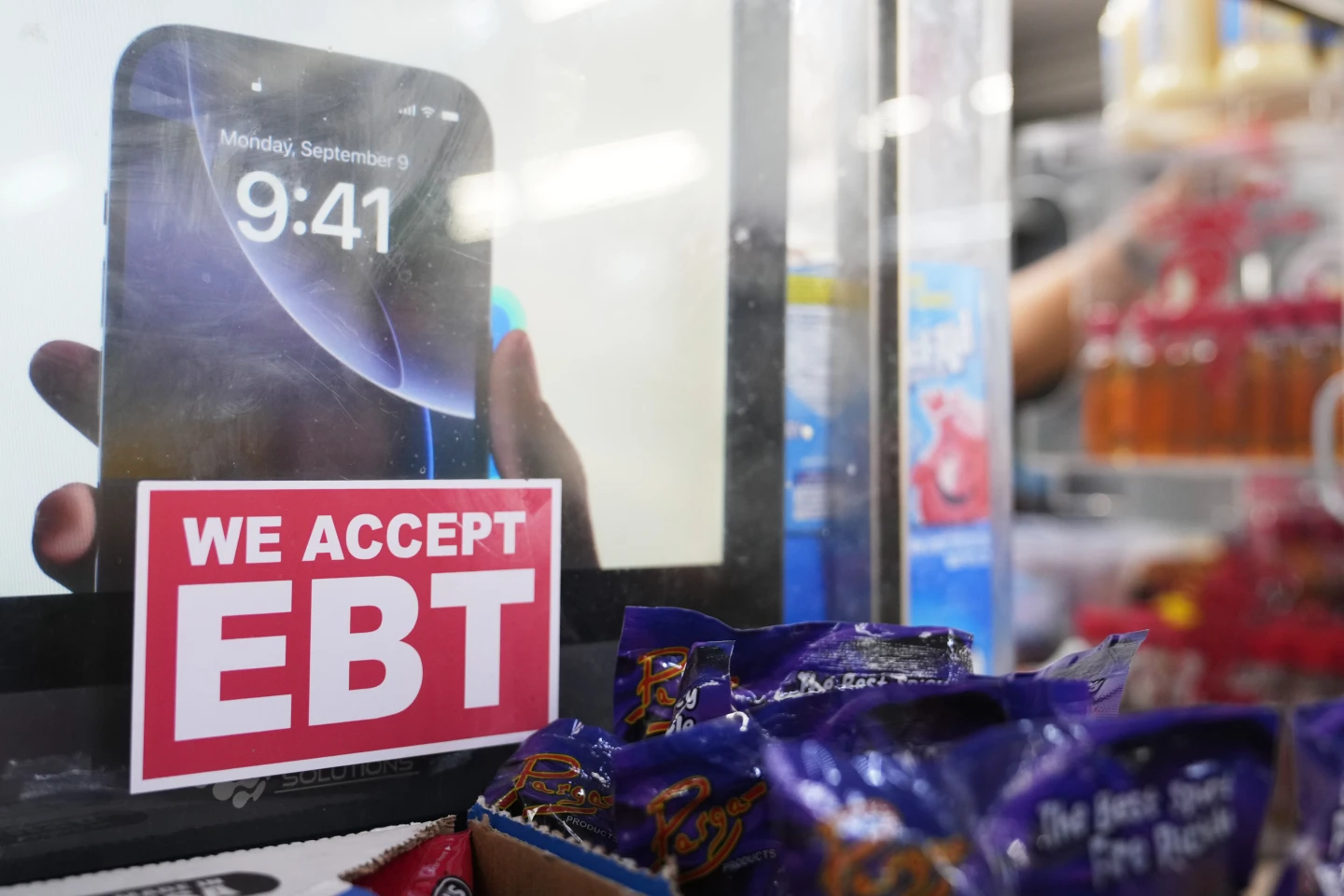
This week, Americans can expect important changes as federal resources thin out. The Trump administration has announced that funding for food assistance, known as the Supplemental Nutrition Assistance Program (SNAP), will run out for approximately 42 million individuals who rely on it for basic grocery needs. Although some states have promised to maintain their benefits, there won't be any financial reimbursement for these temporary measures from the federal government.
Moreover, the Women, Infants, and Children (WIC) program, which aids over 6 million low-income families, may deplete its funds shortly after the SNAP cuts, following a recent $300 million infusion that is now running out. These funding shortfalls hit the most vulnerable populations hardest, leaving families without essential food supplies.
In parallel, the looming government shutdown is jeopardizing military paychecks for 1.3 million active-duty personnel. Earlier efforts to ensure their pay through shifting funds from military research and development have raised concerns about whether this strategy can be repeated as financial reserves dwindle.
As the situation unfolds, educational programs like Head Start, which provide critical child care resources, are also at risk. The National Head Start Association warns that without new federal grants, many programs could shut down, displacing thousands of children and complicating family schedules.
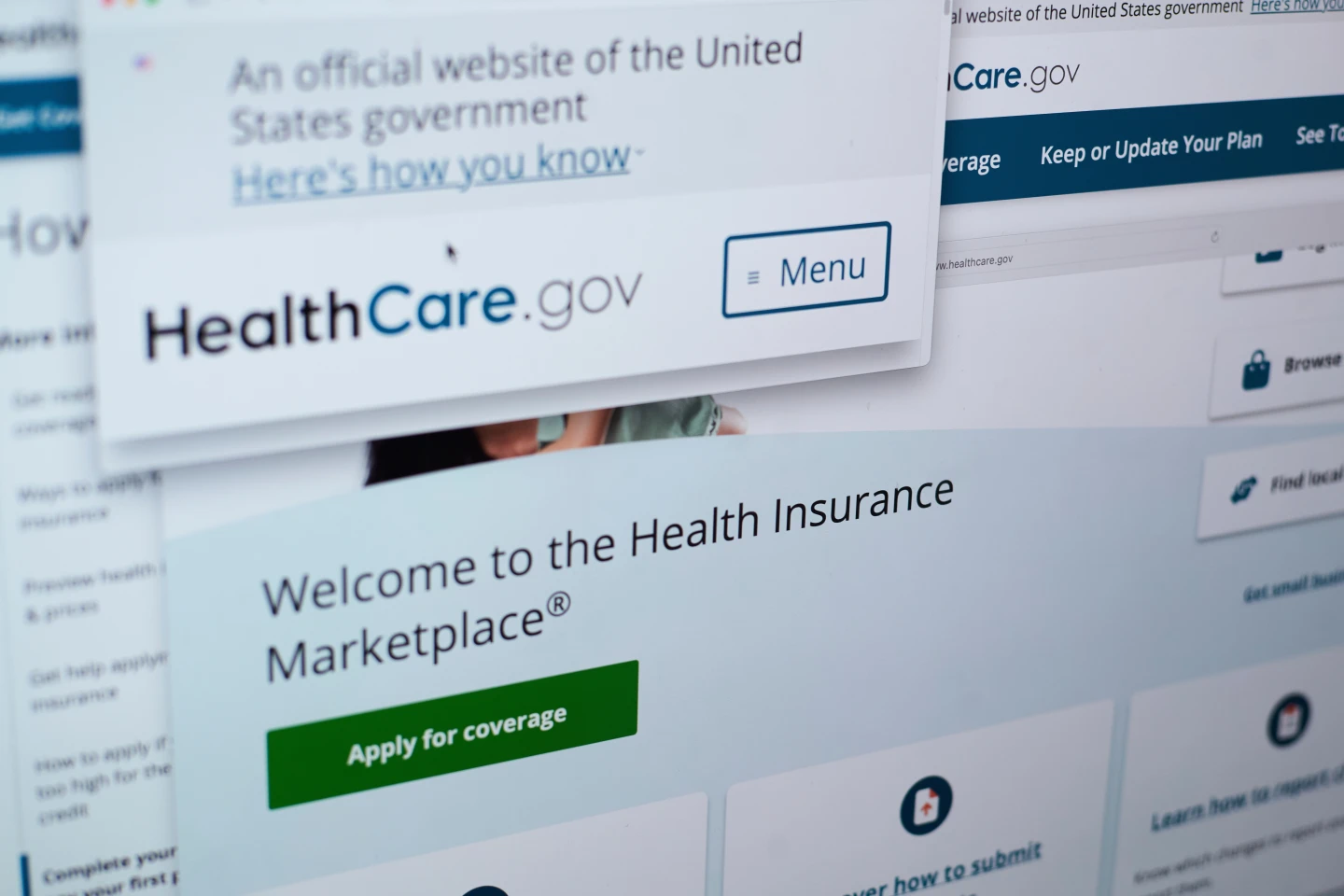
The Healthcare sector faces uncertainties too, as enrollment in Affordable Care Act plans commenced with little guidance from federal agencies, hampered by the implications of the shutdown.
This crisis shows how interconnected federal funding and community services are, and the pressing need for Congress to resolve the shutdown to prevent further damage to vulnerable populations across the United States.