As political leaders increasingly use profanity, the tone of national discourse has changed significantly. A notable instance occurred when President Joe Biden was overheard expressing candid thoughts, a stark contrast to earlier political norms.
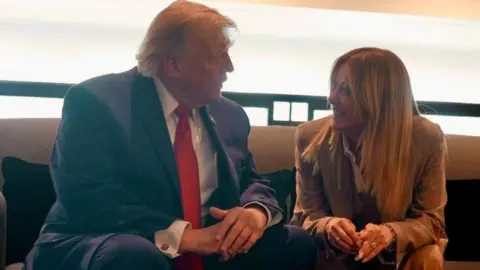
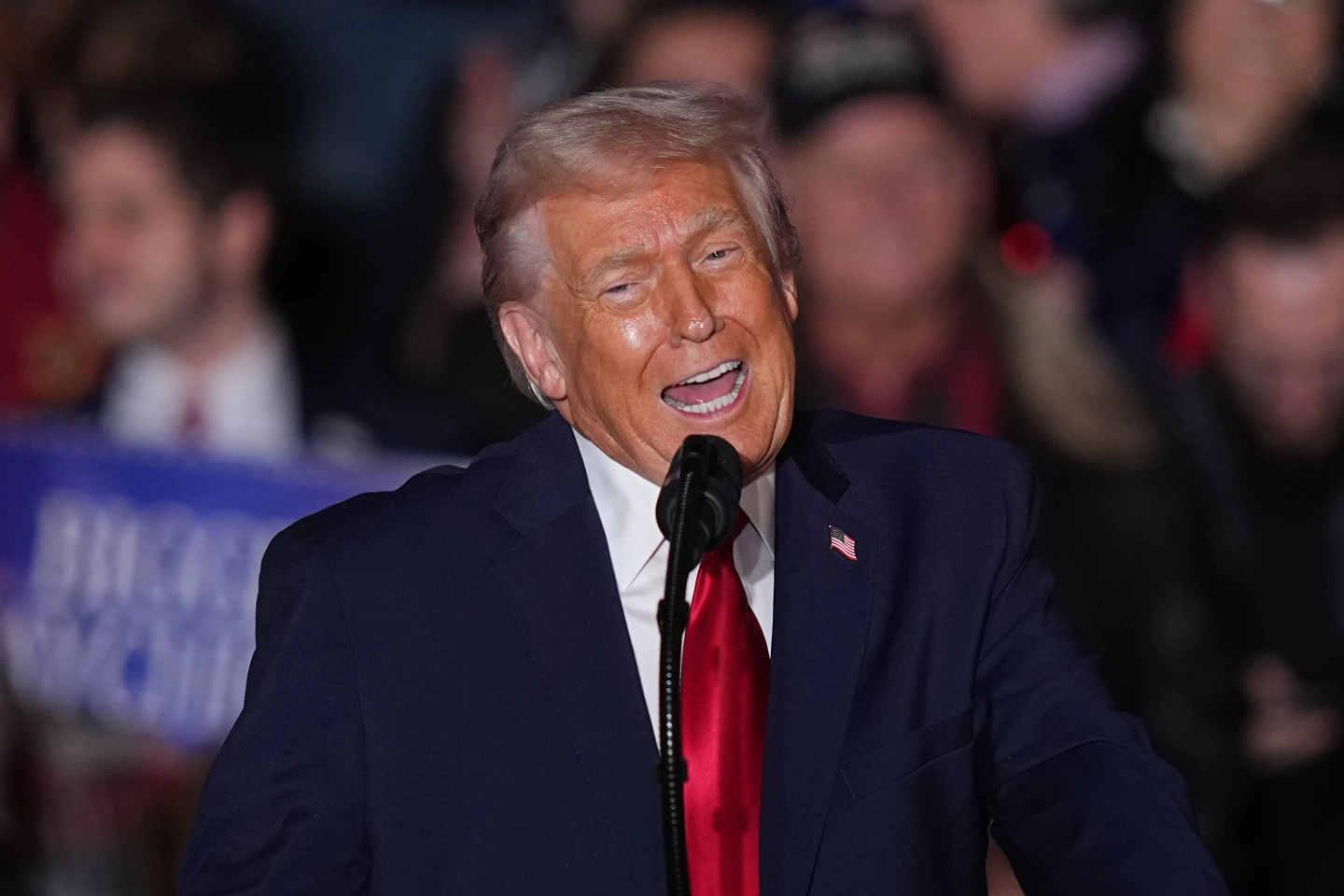
Such informal language is now commonplace, particularly under leaders like Donald Trump, who embraced profanity at public events. His comments at a recent rally in Pennsylvania and candid admissions about disparaging remarks from years past highlight a trend of casual vulgarity aimed at shaking off political correctness and resonating with constituents.
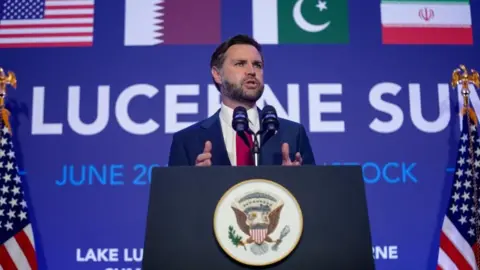
Among other political figures, the likes of Vice President JD Vance and Senator Chris Murphy have joined this trend, making headlines for their frank, even crude language. With both parties seemingly in competition for the attention of an increasingly desensitized electorate, this linguistic shift raises important questions about the future of political communication.
Experts suggest that while tough talk is nothing new in politics, the public nature of such remarks is a modern phenomenon, driven largely by social media dynamics that favor outrageous statements for engagement.
Social media guru Spencer Cox noted, 'Outrage sells.' This observation captures the attention economy where shock value reigns supreme, leading to a political landscape that may strive to be candid but risks alienating or exhausting voters with constant coarseness.
The big question remains whether this trend towards vulgarity will only escalate as we approach the next election cycle. As voters and politicians navigate this evolving landscape, striking a balance between authentic communication and respectful discourse will become ever more challenging.