In brief
The Supplemental Nutrition Assistance Program (SNAP) has resumed its services after a disruptive U.S. government shutdown, providing essential food assistance to low-income households. As the program navigates recent challenges, new work requirements are set to significantly impact participants, necessitating increased job training and volunteer hours. The changes aim to curb the number of recipients in the coming decade while emphasizing the importance of sustainable nutrient access for vulnerable populations.
After a disruptive U.S. government shutdown, federal SNAP food assistance is flowing again to low-income households. However, new work requirements will take effect in the upcoming months, impacting how many can benefit from the program.
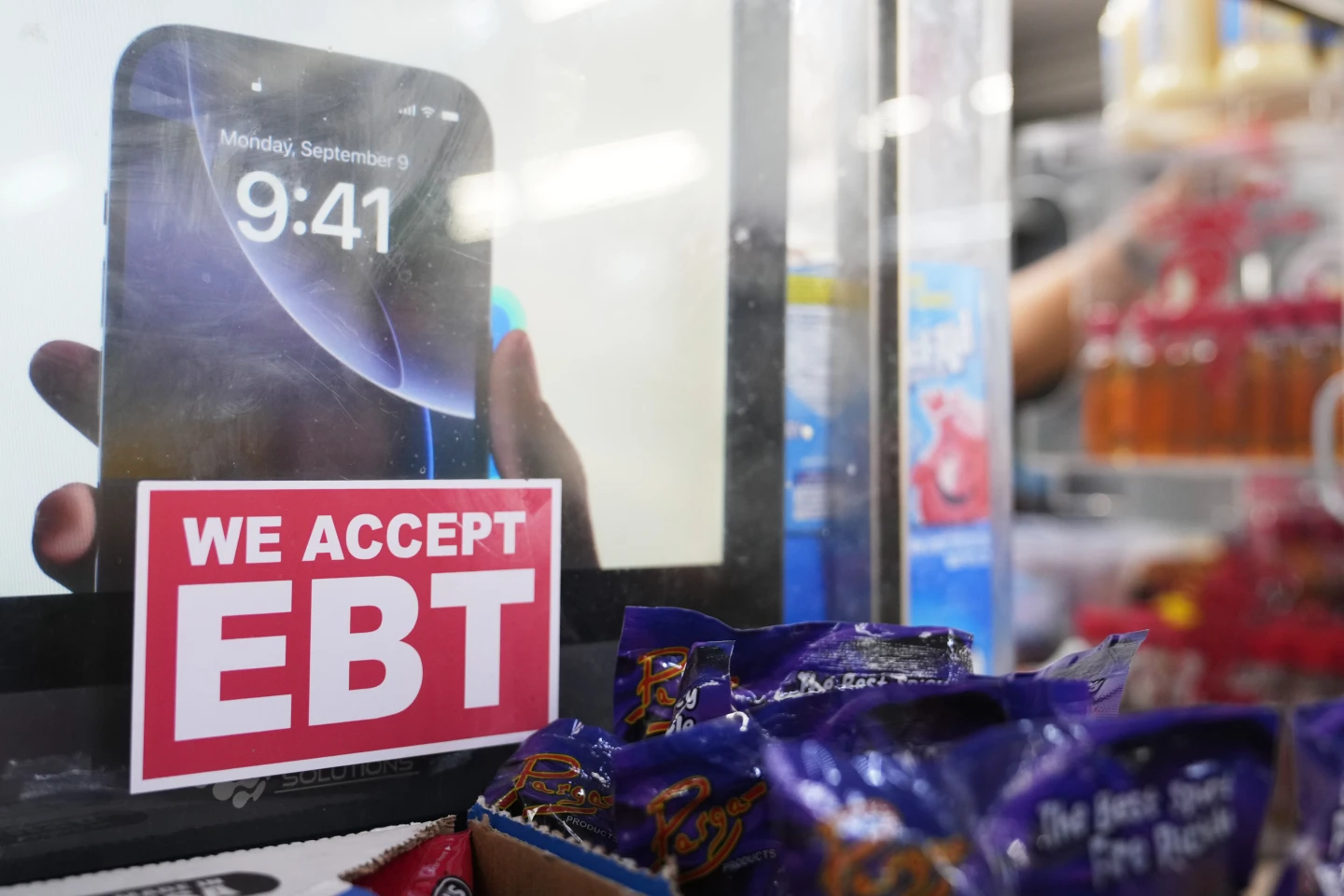
The Supplemental Nutrition Assistance Program (SNAP) provides monthly benefits averaging around $190 per person, assisting approximately 42 million Americans. During the initial weeks of November, many recipients faced interruptions as the Trump administration contested funding sources during the shutdown.
The situation was chaotic at the outset; some states managed to replenish electronic benefit cards using their funds, while others did not, leading to long lines at food charities and empty shelves. As government operations resumed on November 12, states rushed to restore benefits, ensuring all participants received their November payments on schedule.
Implications of New Work Requirements
A tax and spending bill signed into law in July expanded work obligations for many adult SNAP recipients. Starting in December, participants aged 18-64 without dependents must meet work requirements of at least 80 hours monthly, with those failing to comply limited to three months of assistance within three years.
Previously only applicable to adults ages 18-54, the new law now includes those aged 55-64 and parents with children older than 14. It also eliminates prior exemptions for homeless individuals and veterans, tightening eligibility even in areas with scarce job opportunities.
While the Trump administration skillfully waived immediate work requirements post-shutdown, compliance with the new rules is expected to begin affecting around 2.4 million SNAP recipients over the next decade, according to the Congressional Budget Office.
Concerns About Program Integrity
Amid the benefits restoration, Agriculture Secretary Brooke Rollins raised doubts about SNAP's integrity, citing fraudulent cases where deceased individuals allegedly received benefits. Rollins proposed that all recipients reapply, though it's unclear if this pertains to current verification processes or a significant overhaul.
The USDA's standard policy mandates that households report income and recertify their eligibility at least every 12 months, with some states opting for more frequent checks. Despite these regulations, questions remain about the future of SNAP and its crucial role in providing food security to low-income families across the nation.